Conscious act of land return to Indigenous peoples

Quaker Paula Palmer has been working on her ministry related to Friends and Indigenous Peoples for many years. You can find out about her work on the Friends Peace Teams site, Toward Right Relationship with Indigenous Peoples. https://friendspeaceteams.org/trr/

Indian Boarding Schools

You can read her foundational article published by Friends Journal in 2016 here: Quaker Indian Boarding Schools, Facing our History and Ourselves. This discusses another area of concern related to Quaker relationships with Indigenous peoples.

I’m grateful I had the opportunity to get to know Paula when she came to the Midwest to talk about and lead workshops related to the forced assimilation of native children.

Land Return

Yesterday I received this email from her.

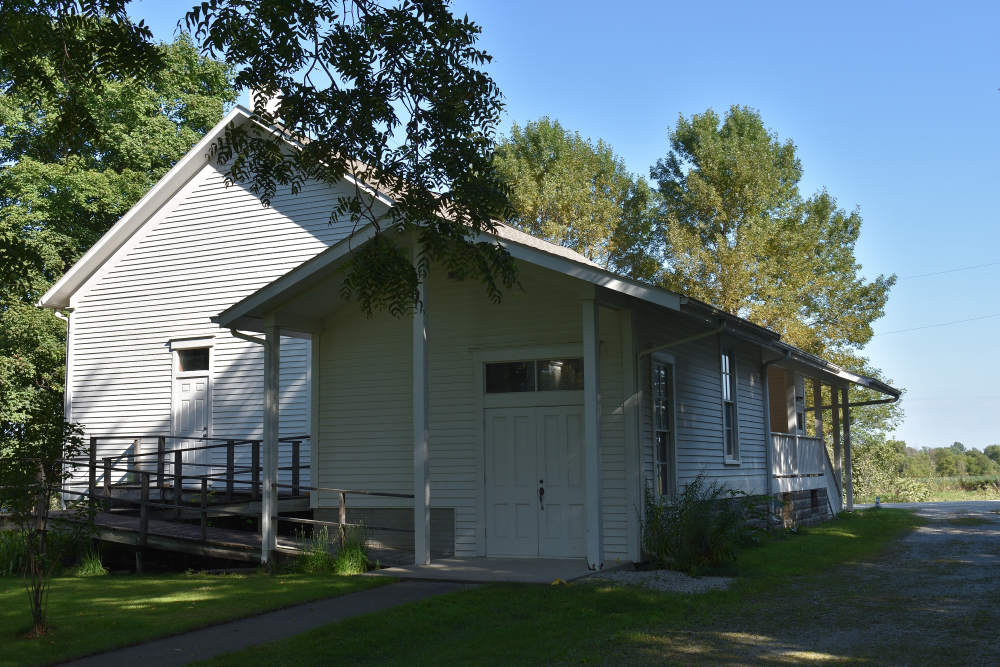
Friends, I spoke about this at today’s QIBS meeting but want to pass the information on to all of you. The Sierra Friends Center property in the northern California mountains (home of the former Woolman School) is being sold to the Nisenan tribe, through their non-profit organization California Heritage: Indigenous Research Project (CHIRP). The sale is supported by the Indigenous Concerns subcommittee of Pacific Yearly Meeting and by many California Friends. However a letter by a Berkeley Friend criticizing this sale was published in Western Friend online. Please read the letter and the information on the Sierra Friends Center site and the announcement below. Please consider whether you would like to write a letter to Western Friend supporting the sale as a conscious act of land return to Indigenous peoples.

Paula Palmer


Letter of Dismay

Dear Friends,

I am a graduate of the first class of John Woolman School in Nevada City, CA, and have held the campus and its environment close to my heart and soul for sixty-odd years.

I have just sent the following letter of dismay to all of the nonprofits that I mention in it, plus to many parts of many yearly meetings, plus to Western Friend.

This letter was written in response to the sale of the property that was once John Woolman School – currently 188 acres with 9 buildings – which is being sold to a nonprofit representing the Nisenan people, who are indigenous to the land in question. The Quaker board that represents Woolman in this sale has not been up front with the larger Quaker community about the extent of the property’s debts, nor about the fair market value of the property, which I speculate could be $4 million or more. The board has suggested that the property might be sold to the Nisenan for $1.3 million.

Here is my letter of dismay, which I have distributed widely:

This is the link to that letter: https://westernfriend.org/news/letter-of-dismay/


I find this detailed letter to be helpful in itemizing the objections some Quakers have about returning land to Indigenous peoples. I say “some” Quakers because I don’t know how many Friends object to this idea of land return.

I realize using the phrase “land return” implies the land was taken from Indigenous people. This is complicated by the concept of “property” and land ownership as viewed by most non-native people. It doesn’t mean taking back private property. It is about returning public lands to the stewardship of native peoples.

It is also about broken treaties, treaties that acknowledged native people’s rights to land.

Broken Treaties With Native American Tribes: Timeline. From 1778 to 1871, the United States signed some 368 treaties with various Indigenous people across the North American continent by Sarah Pruitt, History.com, July 12, 2023

Please consider whether you would like to write a letter to Western Friend supporting the sale as a conscious act of land return to Indigenous peoples.

Paula Palmer

LANDBACK and Quakers

What does the Green Party of St. Louis think about the war against Palestine? And why do we call for LandBack?


John Horgan.
PO BOX 9041 STN PROV GOVT VICTORIA, BC V8W 9E1.
Email premier@gov.bc.ca

John Horgan,
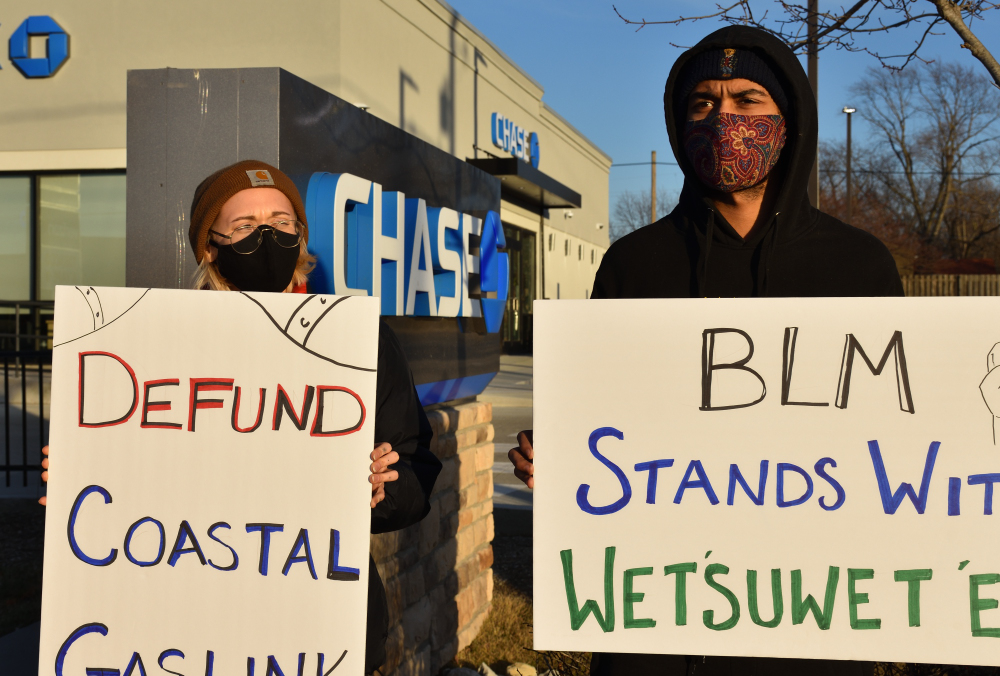
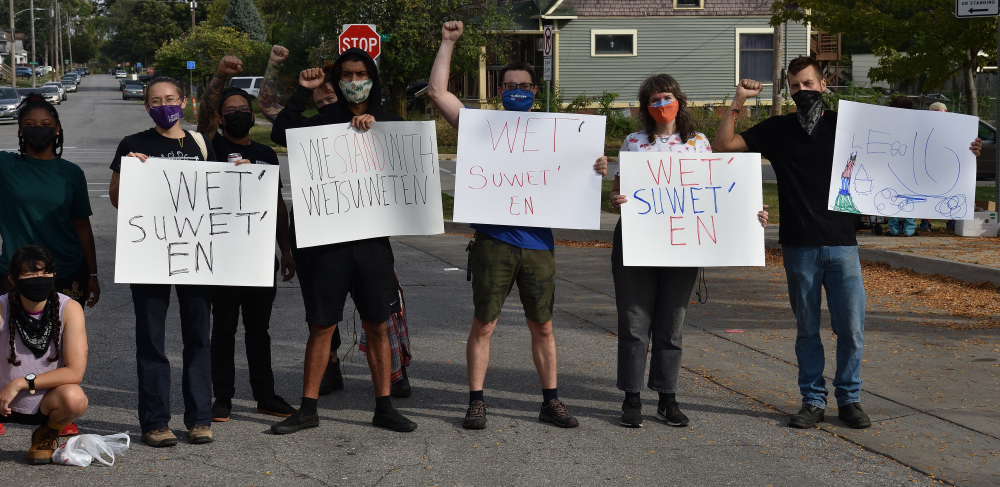
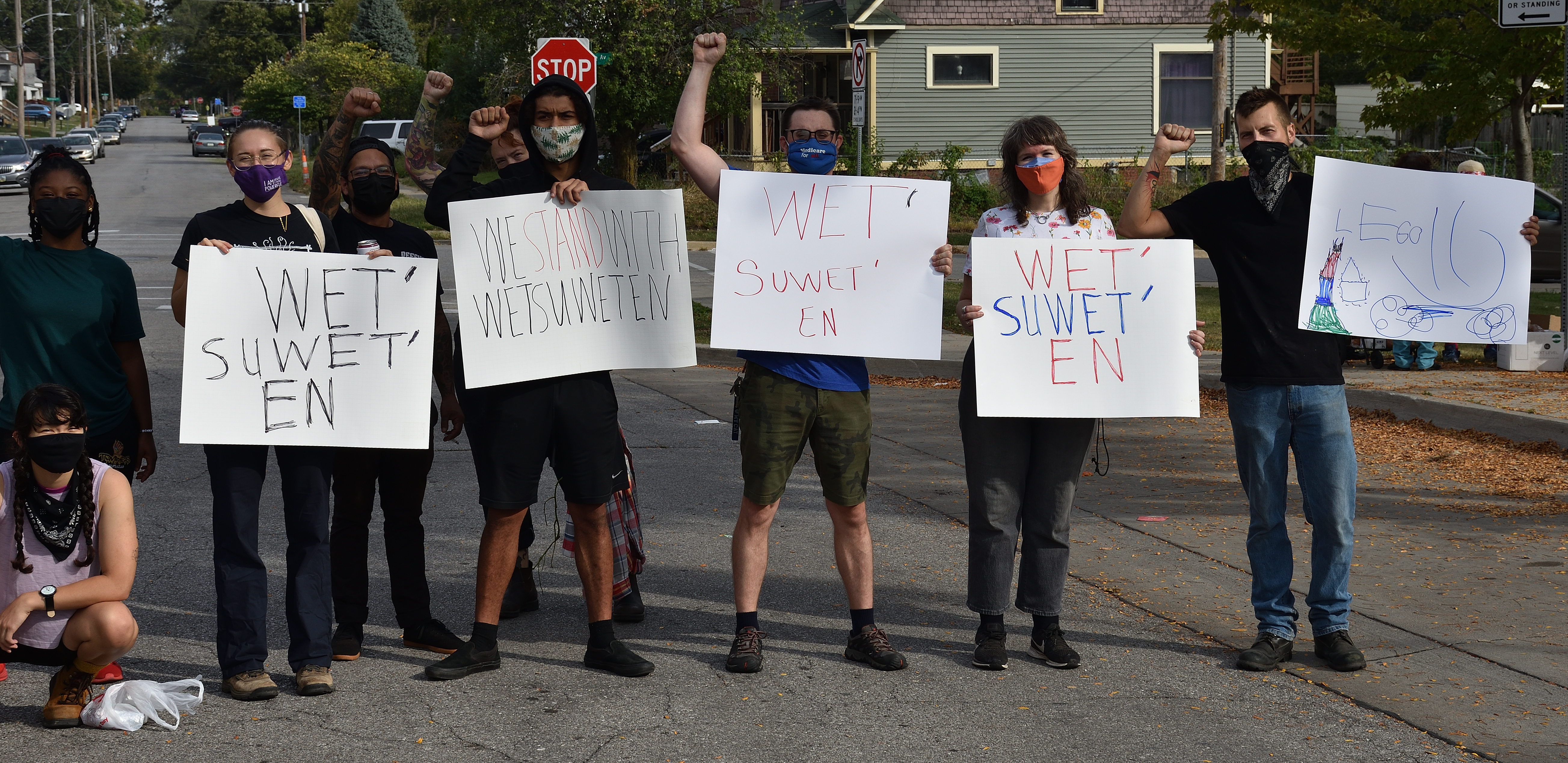
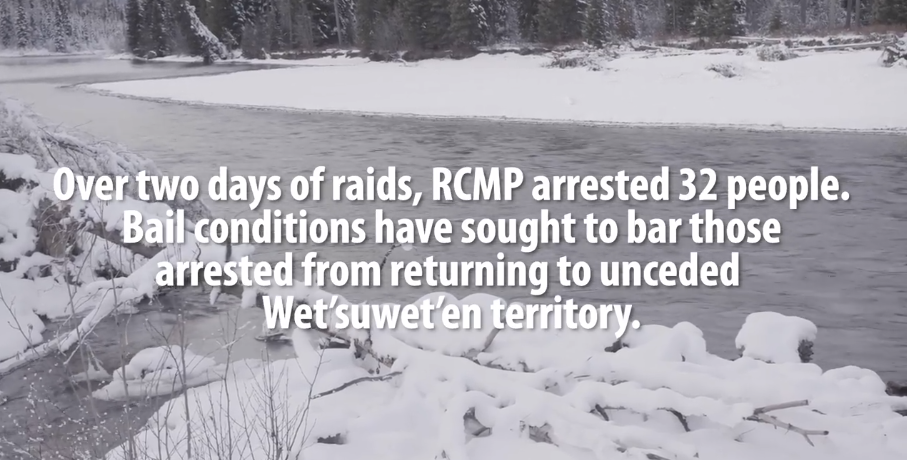
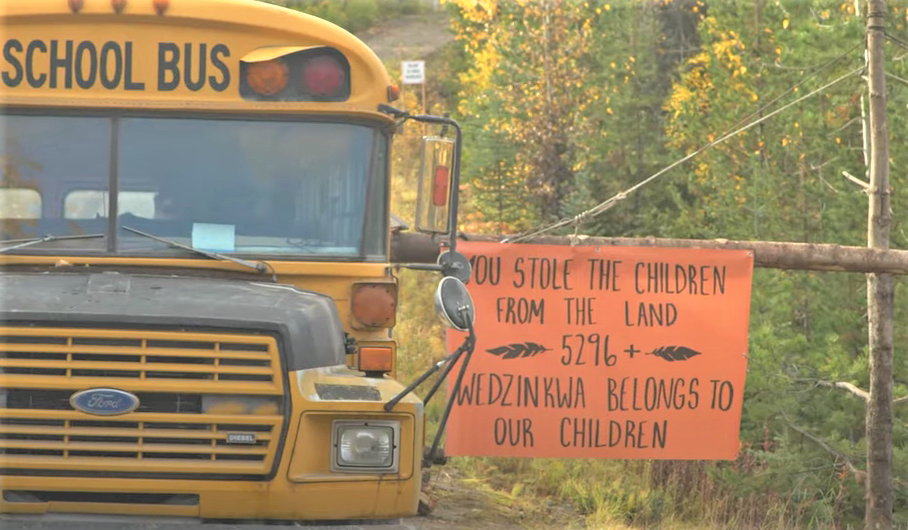
We’re concerned that you are not honoring the tribal rights and unceded Wet’suwet’en territories and are threatening a raid instead.

We ask you to de-escalate the militarized police presence, meet with the Wet’suwet’en Hereditary Chiefs, and hear their demands:

That the province cease construction of the Coastal Gaslink Pipeline project and suspend permits..

That the United Nations Declaration on the Rights of Indigenous Peoples (UNDRIP) and tribal rights to free, prior and informed consent (FPIC) are respected by the state and RCMP.

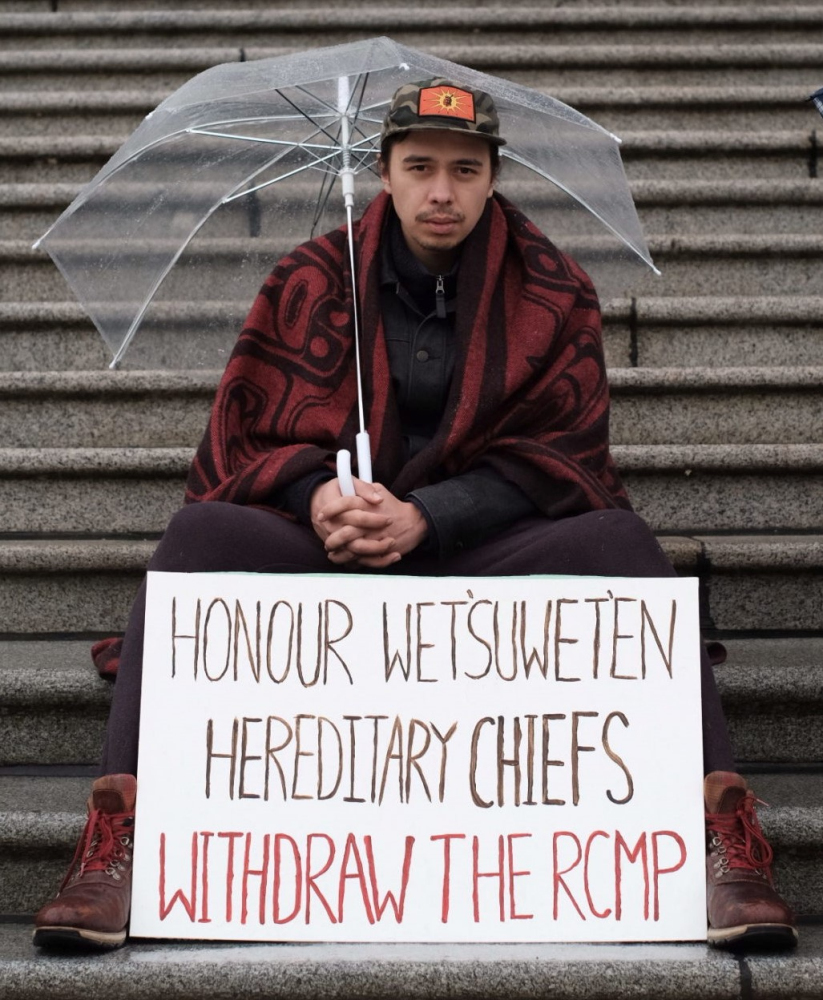
That the Royal Canadian Mounted Police (RCMP) and associated security and policing services be withdrawn from Wet’suwet’en lands, in agreement with the most recent letter provided by the United Nations Committee on the Elimination of Racial Discrimiation’s (CERD) request.

That the provincial and federal government, RCMP and private industry employed by Coastal GasLink (CGL) respect Wet’suwet’en laws and governance system, and refrain from using any force to access tribal lands or remove people.


https://designrr.site/?i=gzmf&t=2bb0c9

An Epistle to Friends Regarding Community, Mutual Aid and LANDBACK

To protect all living-beings and sacred sites is a feminine act and in complete defiance to Christopher Columbus’ worldview, which is the narrative that we counter every time we celebrate Indigenous People’s Day instead of Columbus Day. –Sikowis Nobiss


It has become clear to some of us who are called Friends that the colonial capitalist economic system and white supremacy are contrary to the Spirit and we must find a better way. We conscientiously object to and resist capitalism and white supremacy.

Jeff Kisling

I am sometimes discouraged that so much work by Indigenous Peoples, so much that I have tried to do, rarely results in any progress toward justice. For White people, we must begin by de-colonizing ourselves.


Dear Friends

The measure of a community is how the needs of its people are met. No one should go hungry, or without shelter or healthcare. Yet in this country known as the United States millions struggle to survive. The capitalist economic system creates hunger, houselessness, illness that is preventable, and despair. A system that requires money for goods and services denies basic needs to anyone who does not have money. Black, Indigenous, and other people of color (BIPOC) are disproportionately affected. Systemic racism. The capitalist system that supports the white materialistic lifestyle is built on stolen land and genocide of Indigenous peoples, and the labor of those who were enslaved in the past or are forced to live on poverty wages today.

Capitalism is revealed as an unjust, untenable system, when there is plenty of food in the grocery stores, but men, women and children are going hungry, living on the streets outside. White supremacy violently enforces the will of wealthy white people on the rest of us.

It has become clear to some of us who are called Friends that the colonial capitalist economic system and white supremacy are contrary to the Spirit and we must find a better way. We conscientiously object to and resist capitalism and white supremacy.

capitalism has violated the communities of marginalized folks. capitalism is about the value of people, property and the people who own property. those who have wealth and property control the decisions that are made. the government comes second to capitalism when it comes to power.

in the name of liberation, capitalism must be reversed and dismantled. meaning that capitalistic practices must be reprogrammed with mutual aid practices. 
Des Moines Black Liberation Movement

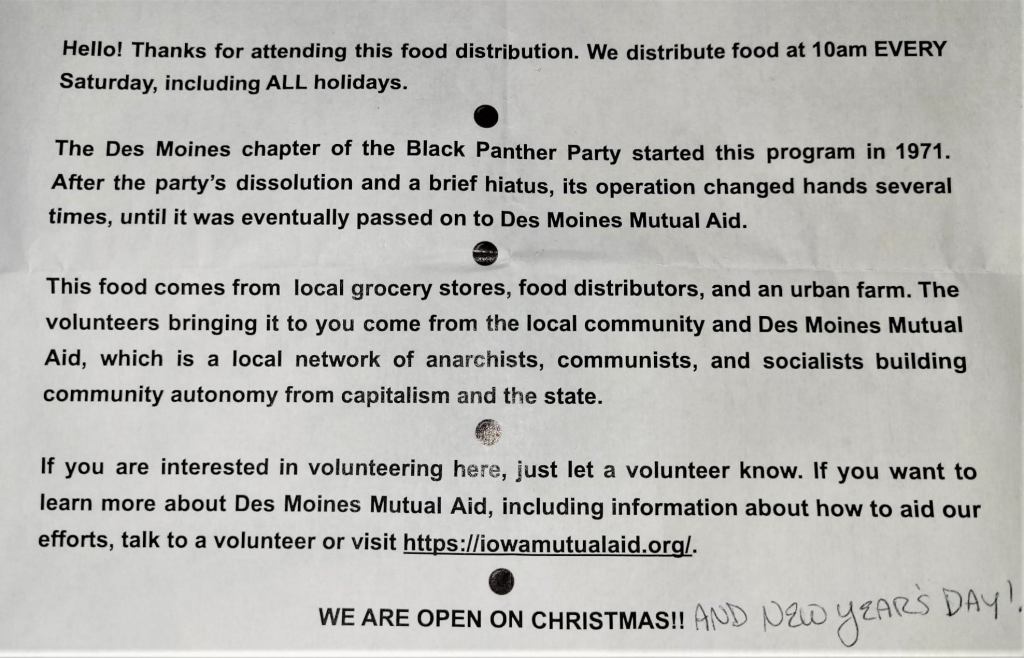
Mutual Aid

How do we resist? We rebuild our communities in ways not based on money. Such communities thrive all over the world. Indigenous peoples have always lived this way. Generations of white people once did so in this country. Mutual Aid is a framework that can help us do this today.

The concept of Mutual Aid is simple to explain but can result in transformative change. Mutual Aid involves everyone coming together to find a solution for problems we all face. This is a radical departure from “us” helping “them”. Instead, we all work together to find and implement solutions.  To work together means we must be physically present with each other. Mutual Aid cannot be done by committee or donations. We build Beloved communities as we get to know each other. Build solidarity. An important part of Mutual Aid is creating these networks of people who know and trust each other. When new challenges arise, these networks are in place, ready to meet them.

Another important part of Mutual Aid is the transformation of those involved. This means both those who are providing help and those receiving it.

With Mutual Aid, people learn to live in a community where there is no vertical hierarchy. A community where everyone has a voice. A model that results in enthusiastic participation. A model that makes the vertical hierarchy required for white supremacy impossible.

Commonly there are several Mutual Aid projects in a community. The initial projects usually relate to survival needs. One might be a food giveaway. Another helping those who need shelter. Many Mutual Aid groups often have a bail fund, to support those arrested for agitating for change. And accompany those arrested when they go to court.

LANDBACK

The other component necessary to move away from colonial capitalism and white supremacy is LANDBACK or ReMatriate.

But the idea of “landback” — returning land to the stewardship of Indigenous peoples — has existed in different forms since colonial governments seized it in the first place. “Any time an Indigenous person or nation has pushed back against the oppressive state, they are exercising some form of landback,” says Nickita Longman, a community organizer from George Gordon First Nation in Saskatchewan, Canada.

The movement goes beyond the transfer of deeds to include respecting Indigenous rights, preserving languages and traditions, and ensuring food sovereignty, housing, and clean air and water. Above all, it is a rallying cry for dismantling white supremacy and the harms of capitalism.

Returning the Land. Four Indigenous leaders share insights about the growing landback movement and what it means for the planet, by Claire Elise Thompson, Grist, February 25, 2020

ReMatriate

“For Indigenous Peoples Day, I would like for folks to better understand and appreciate this movement which has been working its way into the dominant public narrative over the past few years. As a hashtag or sign at a protest, the term Land Back is straightforward. It is a demand that stolen land, sacred sites and sovereign stewardship be returned to whom it was stolen from: Indigenous peoples. It has become popular movement slang used in our ongoing efforts to fend off relentless theft and racial injustice, and a call for reparations.

Land Back is a helpful term but I prefer to use ReMatriate, as it is more inclusive of the many issues that have arisen from land theft, and better describes the Indigenous fight to defend Mother Earth. It is a call to reestablish Indigenous landscapes, bring back Indigenous traditional ecological knowledge and to give stolen power back to the feminine. In a world where unfettered patriarchal violence and greed has brought us to the precipice of a climate extinction, ReMatriation is the return of the matriarchy. This counterbalances the forces of toxic masculinity that, through Christian colonial-capitalist violence, are intent on holding all power and controlling all the life, land and resources on our Mother Earth.”

PERSPECTIVES: Why “ReMatriate” is a more inclusive term for returning land to Indigenous peoples by Sikowis Nobiss, reckon, Oct 3, 2023


What will Friends do?

It matters little what people say they believe when their actions are inconsistent with their words.  Thus, we Friends may say there should not be hunger and poverty, but as long as Friends continue to collaborate in a system that leaves many without basic necessities and violently enforces white supremacy, our example will fail to speak to mankind.

Let our lives speak for our convictions.  Let our lives show that we oppose the capitalist system and white supremacy, and the damages that result.  We can engage in efforts, such as Mutual Aid, LANDBACK, and ReMatriate to build Beloved community. To reach out to our neighbors to join us.

We must begin by changing our own lives if we hope to make a real testimony for peace and justice.


Indigenous People’s Day

Tomorrow, 10/9/2023, is Indigenous People’s Day in this country. My friend Sikowis Nobiss wrote about ReMatriate and Land Back.

“For Indigenous Peoples Day, I would like for folks to better understand and appreciate this movement which has been working its way into the dominant public narrative over the past few years. As a hashtag or sign at a protest, the term Land Back is straightforward. It is a demand that stolen land, sacred sites and sovereign stewardship be returned to whom it was stolen from: Indigenous peoples. It has become popular movement slang used in our ongoing efforts to fend off relentless theft and racial injustice, and a call for reparations.

Land Back is a helpful term but I prefer to use ReMatriate, as it is more inclusive of the many issues that have arisen from land theft, and better describes the Indigenous fight to defend Mother Earth. It is a call to reestablish Indigenous landscapes, bring back Indigenous traditional ecological knowledge and to give stolen power back to the feminine. In a world where unfettered patriarchal violence and greed has brought us to the precipice of a climate extinction, ReMatriation is the return of the matriarchy. This counterbalances the forces of toxic masculinity that, through Christian colonial-capitalist violence, are intent on holding all power and controlling all the life, land and resources on our Mother Earth.”


Some time ago I had written this case study about LANDBACK, using the history of the connections between the Wet’suwet’en peoples and Quakers.


ReMatriate and Land Back

I remember the moment when I woke up in my tent for the first time in the Oceti Sakowin camp north of the Standing Rock Reservation during the fight to stop the Dakota Access Pipeline in 2016. Everywhere I looked Indigenous people were reclaiming space and power. We all felt a deep need to steward the land, because we were tired of the harm that colonizers had inflicted upon us. It was the first time in my life that I truly felt the power of the Land Back movement.

PERSPECTIVES: Why “ReMatriate” is a more inclusive term for returning land to Indigenous peoples by Sikowis Nobiss, reckon, Oct 3, 2023

Thus begins another excellent article by my friend, Sikowis Nobiss.

The subheading of that article continues: “In a world where unfettered patriarchal violence and greed has brought us to the precipice of a climate extinction, ReMatriation is a call to reestablish Indigenous landscapes and give stolen power back to the feminine.”

“For Indigenous Peoples Day, I would like for folks to better understand and appreciate this movement which has been working its way into the dominant public narrative over the past few years. As a hashtag or sign at a protest, the term Land Back is straightforward. It is a demand that stolen land, sacred sites and sovereign stewardship be returned to whom it was stolen from: Indigenous peoples. It has become popular movement slang used in our ongoing efforts to fend off relentless theft and racial injustice, and a call for reparations.

Land Back is a helpful term but I prefer to use ReMatriate, as it is more inclusive of the many issues that have arisen from land theft, and better describes the Indigenous fight to defend Mother Earth. It is a call to reestablish Indigenous landscapes, bring back Indigenous traditional ecological knowledge and to give stolen power back to the feminine. In a world where unfettered patriarchal violence and greed has brought us to the precipice of a climate extinction, ReMatriation is the return of the matriarchy. This counterbalances the forces of toxic masculinity that, through Christian colonial-capitalist violence, are intent on holding all power and controlling all the life, land and resources on our Mother Earth.”


First, a definition: “Rematriation is a powerful word that Indigenous women of Turtle Island use to describe how they are restoring balance to the world…it means ‘Returning the Sacred to the Mother.”

The Indigenous concept of rematriation champions a return to our origins, to life and co-creation, and a focus on Mother Earth with the reclaiming of all kinds of things, such as ancestral remains, yes, but also spirituality, cultural practices, knowledge, resources, and seeds.

Rematriate by  Dr. Jessica R. Metcalfe, Beyond Buckskin, Nov 12, 2021


Returning the land to Indigenous peoples is exceedingly hard

Truthfully, there is just a blatant disregard for the health of the land, the water and the air we breathe. Where there used to be tallgrass prairie, oak savannah, and woodland there are now massive monocropped fields of corn and soy with ethanol plants, meatpacking plants, and Concentrated Animal Feed Operations dotting the landscape.

Yet I have found that returning the land to Indigenous peoples is exceedingly hard. I can raise funds to fight a pipeline or end the Missing and Murdered Indigenous Relatives crisis, but it is almost impossible to raise funds as a non-profit to buy just one acre of land in Sioux City to start a Native urban garden, or for even a few acres near Des Moines so we can reclaim first foods and ReMatriate the prairie.

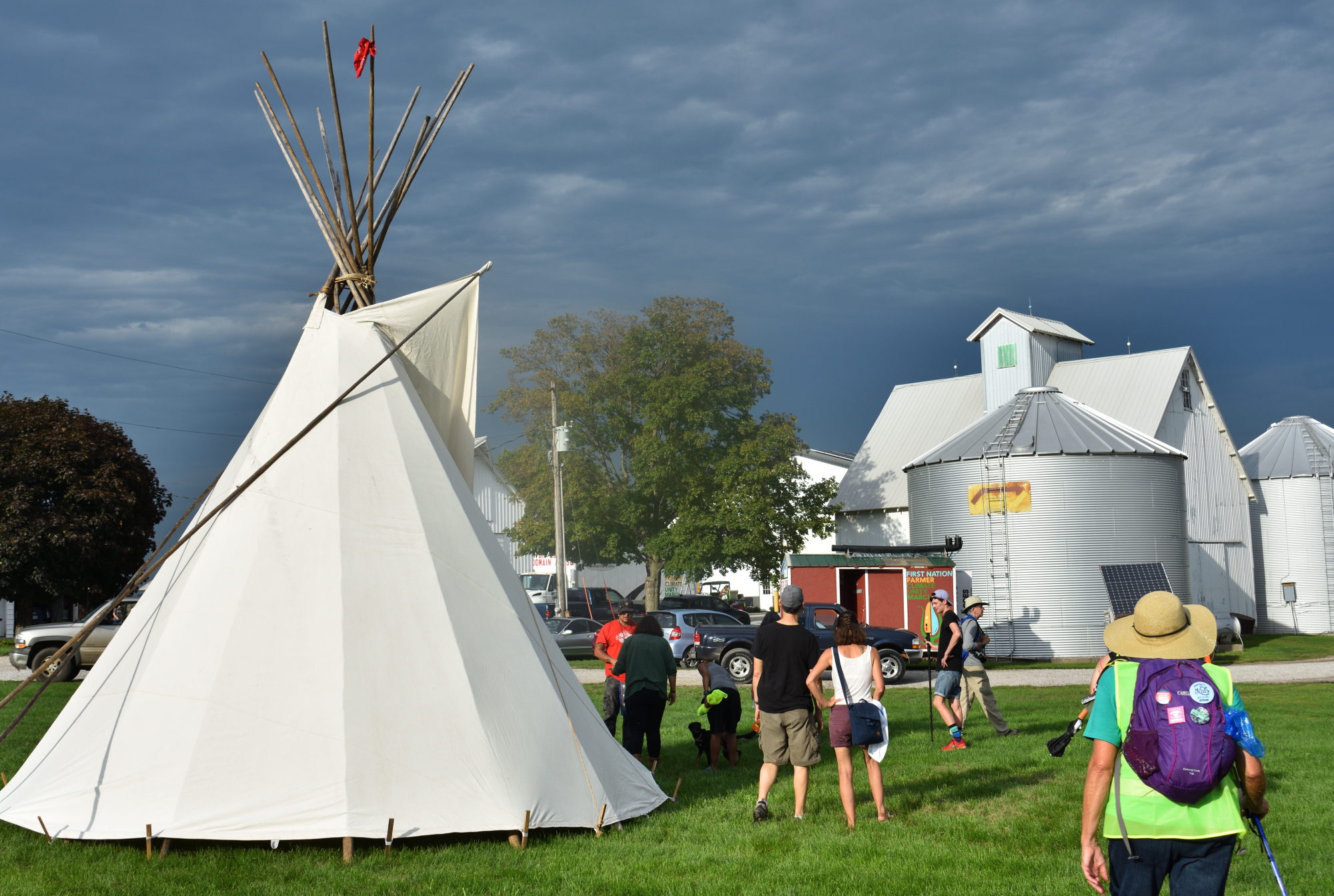
My friend Foxy Onefeather carried this sign about Missing and Murdered Indigenous Relatives (sometimes referred to at MMIW-Missing and Murdered Indigenous Women) during our eight-day walk, the First Nation-Farmer Climate Unity March, from Des Moines to Fort Dodge in 2018. Sikowis helped organize the march.

I first heard Sikowis and Donnielle Wanatee speak at our Quaker Yearly Meeting in 2017, in a panel discussion about building bridges with Native peoples.

I have spoken to hundreds of folks about Land Back and ReMatriation. I have also spoken to congregations such as the Mennonites, the Quakers, Nuns and Nones, The Beloved Community, The United Church and Catholic Workers. In every one of these conversations I hear a cocktail of white guilt combined with a desire to be in proximity to Indigenous folks and our movements that ultimately just leads to more inaction.

These conversations always leave me feeling tokenized and angry. Despite the fact that giving the land back to Native stewards is the single most powerful act that white folks with generations of inherited wealth—which can be traced back to stolen land—can do to counter colonialism, none of these conversations have ever led to any change.

ReMatriation is a movement

ReMatriation describes an entire movement that is not just intent on returning land, but making sure that Indigenous lifeways return so we can build a regenerative and compassionate world economy. While we will not ReMatriate the world in my lifetime, the term allows a new understanding. I consider this planet to be my mother and therefore she is a matriarch. I believe that by doing this work, I am following the path my ancestors put me on to keep my mother safe.

Indigenous People’s Day

To protect all living-beings and sacred sites is a feminine act and in complete defiance to Christopher Columbus’ worldview, which is the narrative that we counter every time we celebrate Indigenous People’s Day instead of Columbus Day.

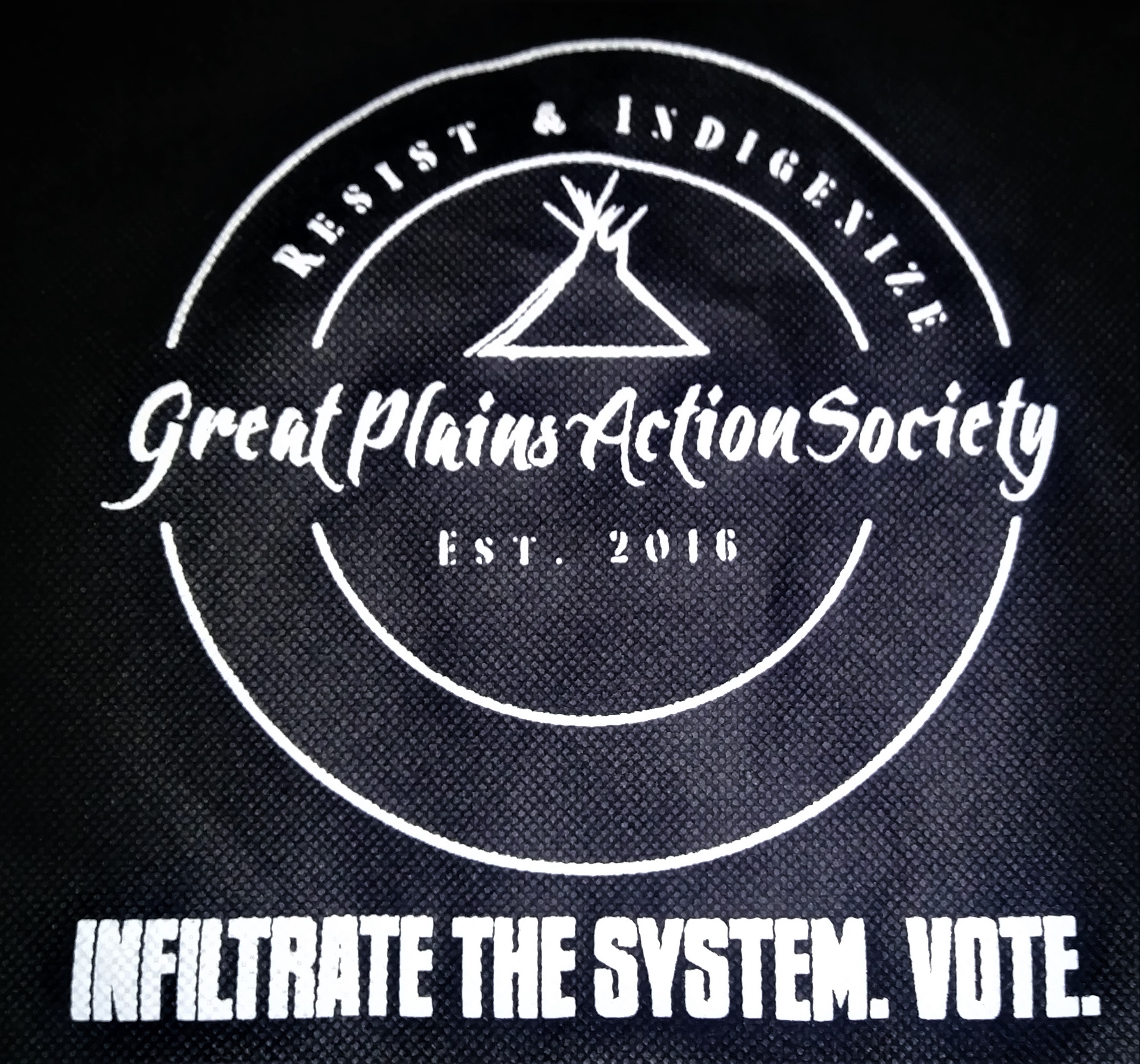
Sikowis Nobiss, MA is Nêhiyaw/Saulteaux of the George Gordon First Nation and the founder and Executive Director of Great Plains Action Society. When she imagines a strong political infrastructure, societies built on compassion, and a regenerative economy, she sees a focus on relationships and community. She believes we can get there through Indigenous ideologies and practices, which are the antitheses to Christian fundamentalism and colonial capitalism. Sikowis is mom, a writer, a speaker, an organizer and an earth defender fighting to decolonize the world. Learn more about Great Plains Action Society at greatplainsaction.org.


Sikowis references this article, which is an excellent discussion of what Land Back means: LAND BACK! What do we mean? by Ronald Gamblin, 4Rs NLC Coordinator, 4Rs Youth Movement. This quote is from that article:

“When you hear the words decolonization, white supremacy, patriarchy or even racism, do you feel something? Do you get a chill down your back, randomly start crossing your arms, get tense all over your body, or even just feel an urge to resist? Well good! When your body is cold it shivers, when it’s hungry it growls, when it’s in fear it shakes and when it’s sad it cries. Your body is meant to respond, whether that be physical or emotional, and it’s the same when deconstructing what you’ve been taught. It tells you that something is there and that you must go through it and find ways to process it.” – Kris Archie, Executive Director of the Circle on Philanthropy and Aboriginal Peoples


A few comments:

I don’t usually quote so much from other sources, as I did here. But this is Sikowis’ story, meant to better inform people about Land Back and ReMatriation.

Regarding my use of the word friend, that is not to call attention to myself. Rather that is to let the reader know that I know these people and firmly believe in what they stand for. I am blessed to know them as friends of mine.

We have some parallel paths. In Indianapolis I worked against the Keystone and Dakota Access Pipelines. That included organizing and training people to engage in nonviolent civil disobedience.

Yesterday, I wrote an update related to my website, LANDBACK Friends, that includes a detailed document about the relationships between the Great Plains Action Society and Midwest Quakers. As the name implies, LANDBACK Friends is my writing, hoping to inform Quakers (Friends) about LANDBACK and now, ReMatriate.

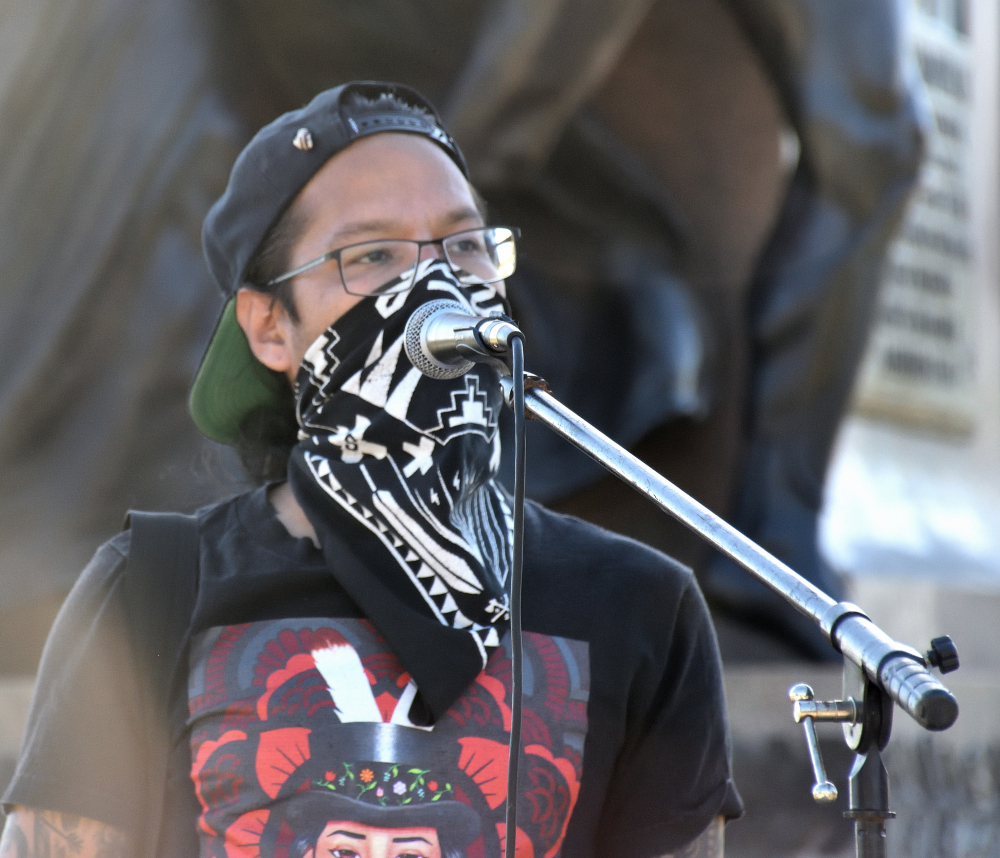
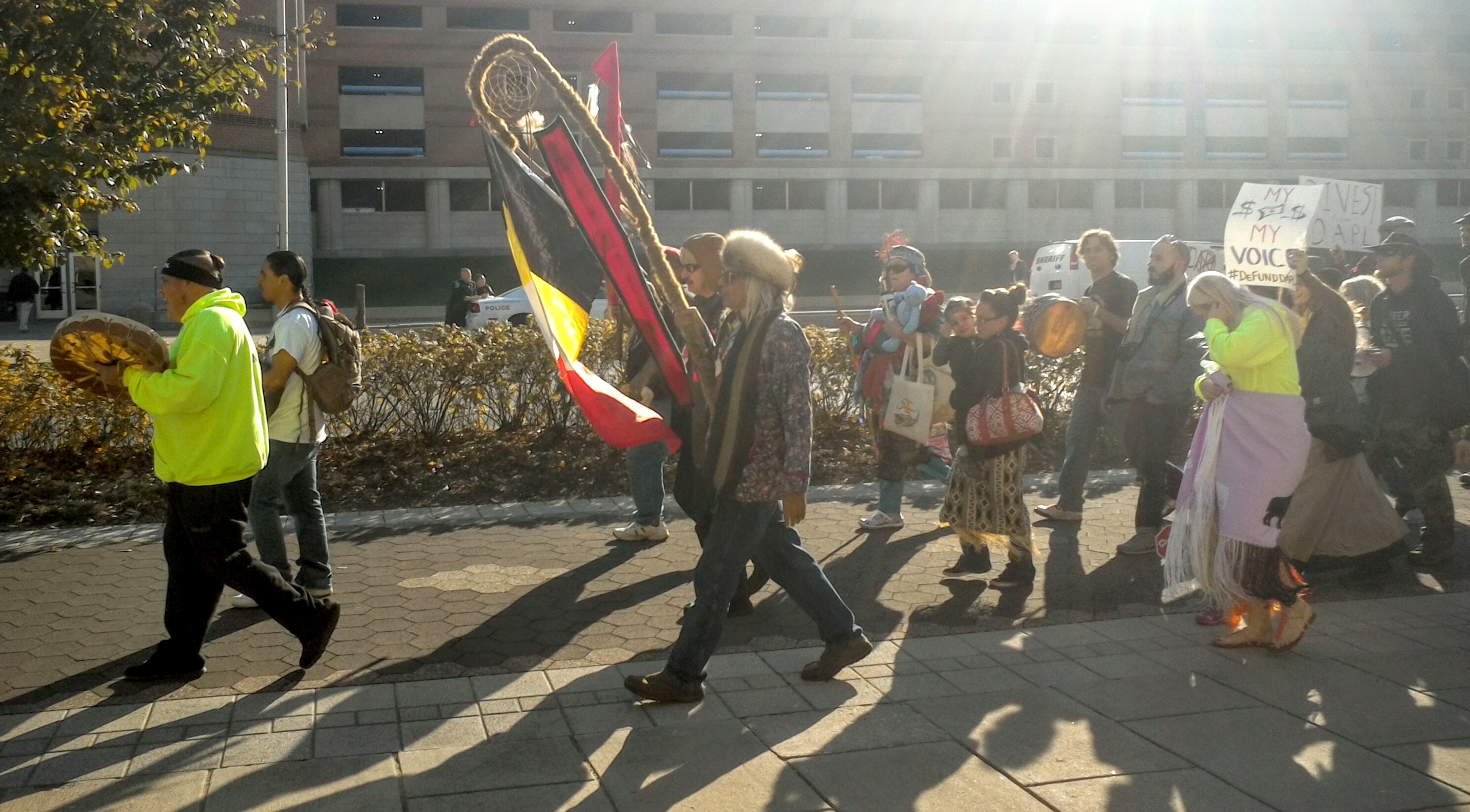
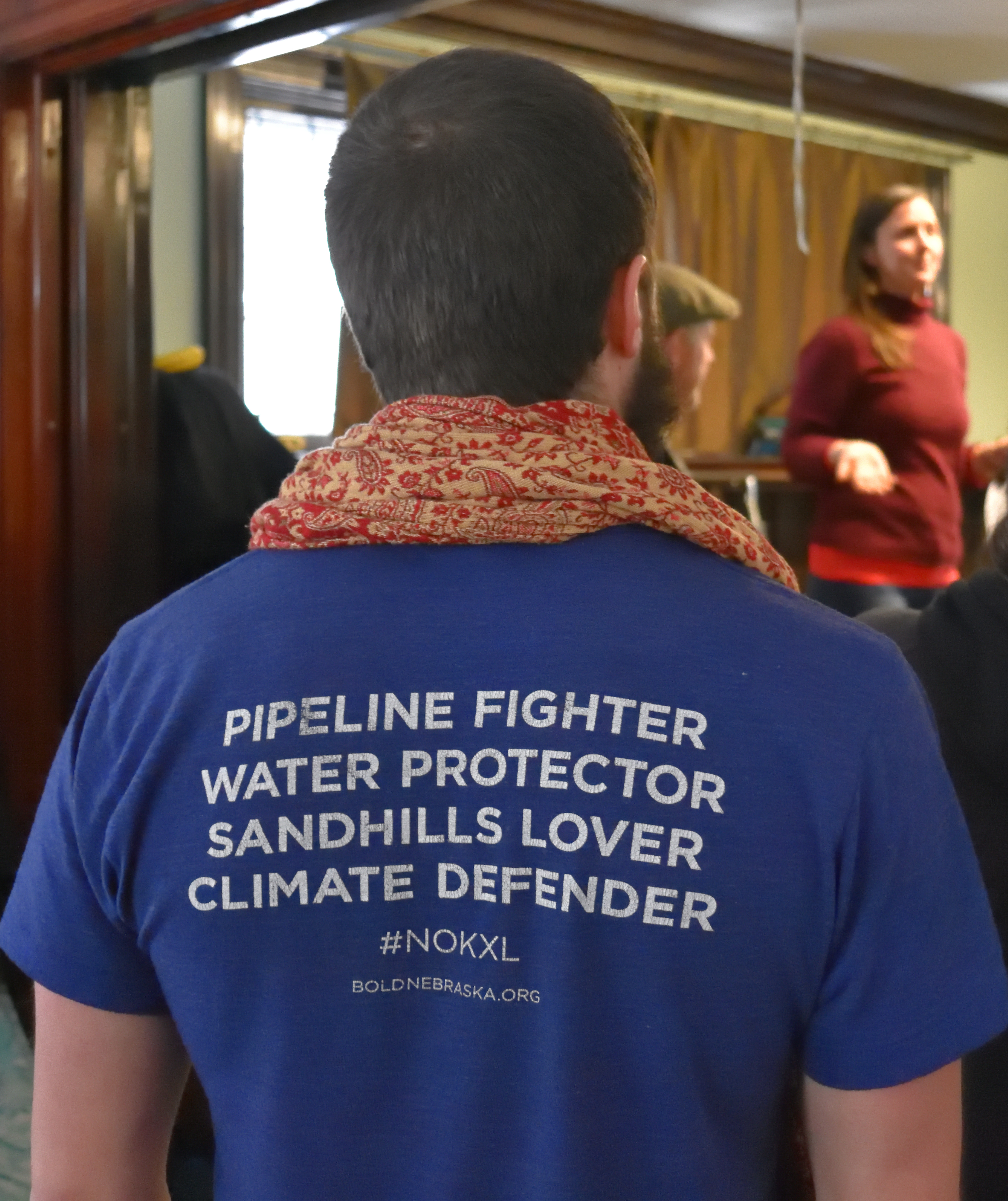
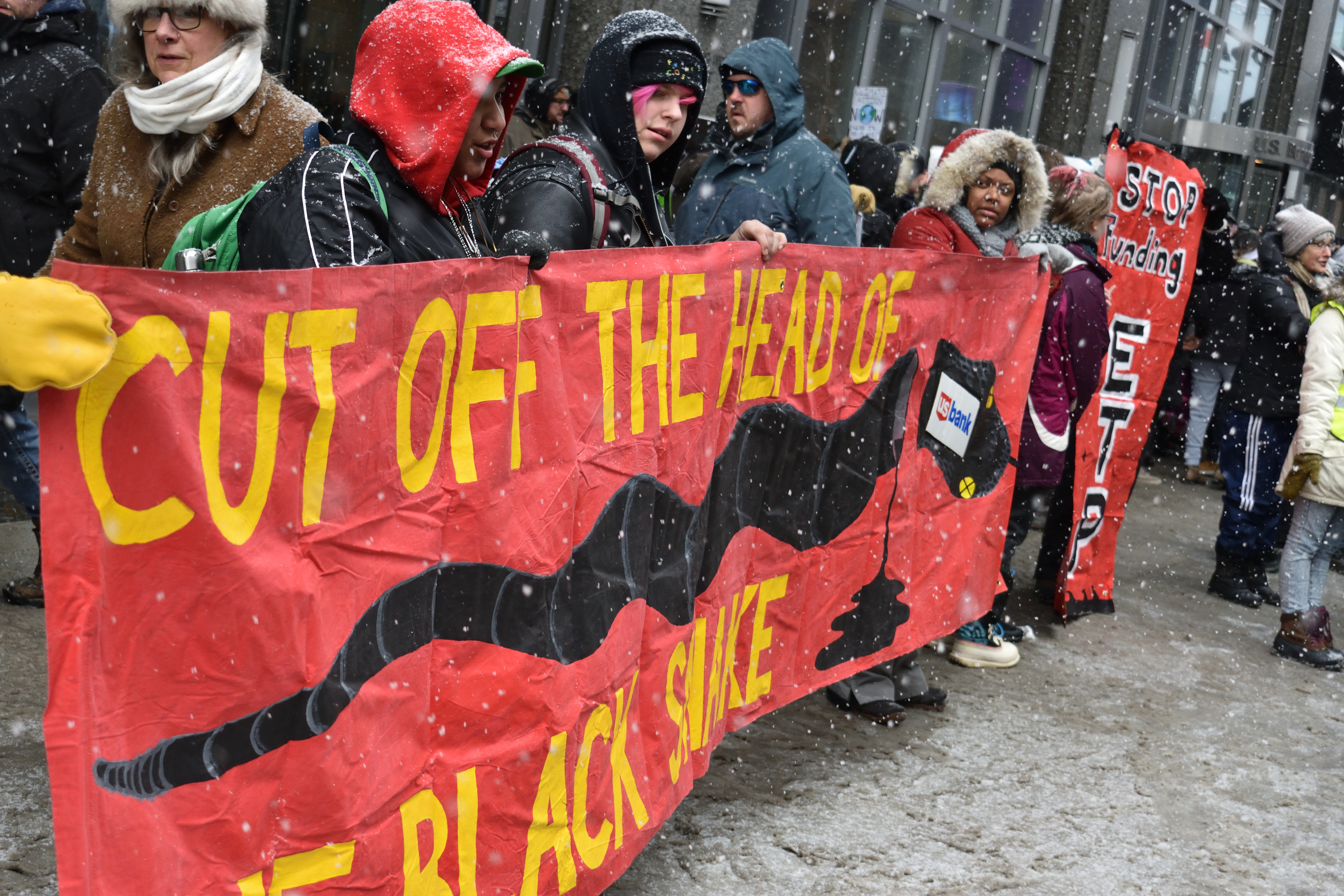
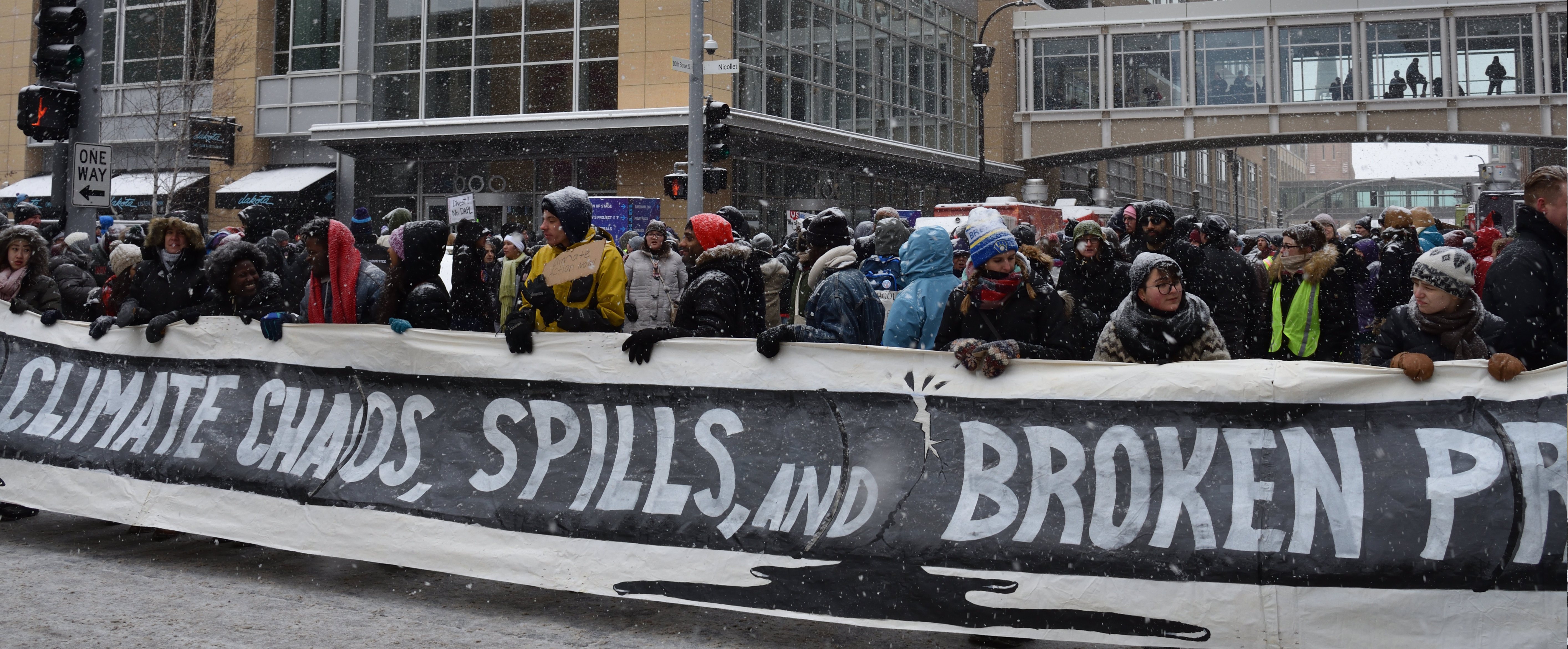
These are some of the photos I’ve taken over the past few years related to Indigenous People’s Day and related events in Iowa and Indianapolis.

Americans Don’t Understand What Violence Really Is

Racism Made America a Failed State, Just Like Its Greatest Mind Predicted. Americans Don’t Understand What Violence Really Is — And So They’re Stuck in a Vicious Cycle of It is the title of an article, published on Martin Luther King Day, by umair haque, an author I follow.

I often wonder to myself on days like this, and I try to talk about this every year on this day: what might an America that really understood MLK’s message have been like? What kind of country would that have been and become?

The answer is: it would have been a better place for everyone. A more prosperous country, in every way imaginable.

How so? MLK’s central messages were twofold: nonviolence and love. And yet Americans are such violent people — they fetishize and worship violence at such a deep level — that even “leftists” today roll their eyes and laugh at such a message. Love! Lol!!!

But they shouldn’t.

Americans Don’t Understand What Violence Really Is by umair haque, Eudaimonia and Co, January 17, 2022

The article is an interesting discussion of violence, which isn’t usually part of the discussion of nonviolence.

MLK understood — or would have — that all the following things are forms of violence. People forced to “crowdfund” healthcare — to beg their neighbors for pennies for medicine. A workplace culture where being abused and berated by your boss is totally normal. Incomes not rising for half a century — while costs skyrocket to absurd levels. The average American dying in debt. Being forced to choose between healthcare and your life savings. Having to give up your home because you want to educate your kids.

All these things are forms of violence. Violence runs deep. It isn’t just mobs of fascists smearing feces on the walls — though it is also that. It’s what Americans do to one another as everyday interaction — and shrug off as normal. Mental, emotional, social, cultural violence makes up the very fabric of everyday American life. It’s the poisonous residue of slavery. And it’s profoundly traumatic. It has lacerated the American mind, and made violence a legitimate solution to every social problem. But these forms of all-pervasive violence are what a capitalist society is limited to, because everything is competition, rivalry, and ultimately, domination and subjugation.

Americans Don’t Understand What Violence Really Is by umair haque, Eudaimonia and Co, January 17, 2022
This makes me realize Mutual Aid is an expression of nonviolence.

What we have is each other. We can and need to take care of each other. We may have limited power on the political stage, a stage they built, but we have the power of numbers.

Those numbers represent unlimited amounts of talents and skills each community can utilize to replace the systems that fail us.  The recent past shows us that mutual aid is not only a tool of survival, but also a tool of revolution. The more we take care of each other, the less they can fracture a community with their ways of war.

Ronnie James, Des Moines Mutual Aid
This is a video I made years ago.

Mutual Aid is the Quaker way of being in the world

This week I’ve been writing to help refine what I hope will happen when we discuss Mutual Aid at my Quaker meeting this weekend. Quakers have a practice of using questions (queries) to help focus and stimulate participation in consideration of topics such as peace, Quaker education, etc. In the tables below I’ve extracted queries from those we routinely consider that relate to Mutual Aid and added others I’ve written.

I think what I will have the most trouble conveying is Mutual Aid represents a paradigm shift away from our current situation. Away from capitalism, white supremacy, insurance-controlled healthcare, militarized police and punishment oriented judicial system, prisons, education that resists teaching critical thinking and promotes white supremacy, and domestic and global militarism. Away from commodifying all natural resources. Continuing extraction and burning of fossil fuels.

Simply put, Mutual Aid is the Quaker way of being in the world.

I’d like us to spend most of the hour’s discussion Sunday hearing what the people in the (Quaker) meeting say about these queries.

At the beginning of the discussion, I want to make the following points.

  • My introduction to Mutual Aid was in response to a strong Spiritual leading.
  • Mutual Aid is NOT charity.
  • Maintaining a flat or horizontal hierarchy is what makes Mutual Aid work.
    • The short video below “Horizontal Group Structures in Mutual Aid Work” does an excellent job of explaining this. The video is by Dean Spade, who wrote the book, “Mutual Aid: Building Solidarity During This Crisis (and the Next).” Verso.
    • MUTUAL is the key.
  • Removing the artificial hierarchies eliminates grouping people by race, class, gender, education, etc. There cannot be white supremacy, for example, if there is no vertical hierarchy.
  • Mutual Aid resists authoritarianism and colonization.
  • Mutual Aid is the Quaker way of being in the world.

The point that seems most difficult to grasp, but is most important to learn, is the difference between Mutual Aid and charity. Charity is an example of a vertical hierarchy. The donors are above the recipients. The recipients are often stigmatized. There is rarely any contact between the two. And there are often strings attached. Recipients must meet certain criteria to qualify for the help/money. And what is offered as help is often not what the recipients actually need.

“Mutual” is the key to Mutual Aid. It can never be “us” helping “them”. The whole community works together to identify and solve problems affecting everyone. There is the understanding that anyone of us might need the help that we are involved in providing. Someone I met when we were putting together boxes of food told me in the past, she was among those who needed the food.

I wrote about using questions (queries) to help guide the discussion and encourage participation by those attending. (Notes to Myself).

Queries related to Mutual Aid
Do we recognize that vertical hierarchies are about power, supremacy and privilege? What are Quaker hierarchies?
Do we work to prevent vertical hierarchies in our peace and justice work?
What are we doing to meet the survival needs of our wider community?
How are we preparing for disaster relief, both for our community, and for the influx of climate refugees?
Are we examples of a Beloved community? How can we invite our friends and neighbors to join our community?

The following lists some of the Yearly Meeting’s queries that apply to Mutual Aid.

Advices and Queries of Iowa Yearly Meeting (Conservative)
OutreachIn what ways do we cooperate with persons and groups with whom we share concerns? How do we reach out to those with whom we disagree?
Civic responsibilityIn what ways do we assume responsibility for the government of our community, state, nation and world?
Environmental responsibilityWhat are we doing about our disproportionate use of the world’s resources?
Social and economic justiceHow are we beneficiaries of inequity and exploitation? How are we victims of inequity and exploitation? In what ways can we address these problems?
What can we do to improve the conditions in our correctional institutions and to address the mental and social problems of those confined there? (This one is related to Abolition of police and prisons)
Peace and nonviolenceWhat are we doing to educate ourselves and others about the causes of conflict in our own lives, our families and our meetings? Do we provide refuge and assistance, including advocacy, for spouses, children, or elderly persons who are victims of violence or neglect?
Do we recognize that we can be perpetrators as well as victims of violence? How do we deal with this? How can we support one another so that healing may take place?
What Is Mutual Aid?

Mutual aid is collective coordination to meet each other’s needs, usually from an awareness that the systems we have in place are not going to meet them. Those systems, in fact, have often created the crisis, or are making things worse. We see examples of mutual aid in every single social movement, whether it’s people raising money for workers on strike, setting up a ride-sharing system during the Montgomery Bus Boycott, putting drinking water in the desert for migrants crossing the border, training each other in emergency medicine because ambulance response time in poor neighborhoods is too slow, raising money to pay for abortions for those who can’t afford them, or coordinating letter-writing to prisoners. These are mutual aid projects. They directly meet people’s survival needs, and are based on a shared understanding that the conditions in which we are made to live are unjust.

There is nothing new about mutual aid— people have worked together to survive for all of human history. But capitalism and colonialism created structures that have disrupted how people have historically connected with each other and shared everything they needed to survive. As people were forced into systems of wage labor and private property, and wealth became increasingly concentrated, our ways of caring for each other have become more and more tenuous.

Today, many of us live in the most atomized societies in human history, which makes our lives less secure and undermines our ability to organize together to change unjust conditions on a large scale. We are put in competition with each other for survival, and we are forced to rely on hostile systems— like health care systems designed around profit, not keeping people healthy, or food and transportation systems that pollute the earth and poison people— for the things we need. More and more people report that they have no one they can confide in when they are in trouble. This means many of us do not get help with mental health, drug use, family violence, or abuse until the police or courts are involved, which tends to escalate rather than resolve harm.

In this context of social isolation and forced dependency on hostile systems, mutual aid— where we choose to help each other out, share things, and put time and resources into caring for the most vulnerable— is a radical act.

Dean Spade. Mutual Aid: Building Solidarity During This Crisis (and the Next) (Kindle Locations 104-120). Verso.

There are three key elements of Mutual Aid.

  1. Mutual aid projects work to meet survival needs and build shared understanding about why people do not have what they need.
  2. Mutual aid projects mobilize people, expand solidarity, and build movements.
  3. Mutual Aid projects are participatory, solving problems through collective action rather than waiting for saviors.

    Mutual Aid, Building Solidarity during this Crisis (and the next) by Dean Spade, Verso, 2020

DateBlog posts related to Mutual Aid discussion
Mutual Aid in the Midwest
12/31/2021A Call for Quakers to Embrace Mutual Aid
1/2/2022What I Don’t Know About Mutual Aid
1/3/2022Notes to Myself
1/4/2022Notes to Myself Continued
1/5/2022Spirituality and Mutual Aid
1/5/2022More Notes on Mutual Aid
1/6/2022Does Mutual Aid speak to your condition?

We did distribute food on Christmas and New Year’s Day.

More notes on Mutual Aid

I’ve been preparing for a discussion my Quaker meeting will have this weekend about Mutual Aid. At the end of this is a table of posts I’ve been writing to help me organize my thoughts. I am not satisfied with how this post has turned out, but these are notes, not a finished document.

Stepping back from the details, I’m reflecting on what I hope will happen as a result of this discussion. My hope is that we begin to use Mutual Aid to guide our work, both in our Quaker meeting and how we do our work in the community for peace and justice.

Mutual Aid requires a paradigm shift from a community of primarily White Quakers immersed in the capitalist economic system, white supremacy, settler colonialism and land theft, forced assimilation, foreign and domestic militarism, state sanctioned violence, punishment oriented criminal justice system, fossil fuel power, and whatever you call our political systems.

Wow!

The greatest obstacle will be to persuade Friends that we should stop participating in those systems. Although that is looking more attractive as these systems are rapidly collapsing now.

Capitalism is economic slavery. Capitalism has forced millions into poverty. Capitalism denies shelter, food, water, healthcare quality education, and the ability to build any wealth at all to millions of people.

There were White Quakers who were involved in the institution of slavery. Even those who did not claim ownership of enslaved men, women and children benefited economically. Continue to benefit.

I don’t think we have many years of civilization left. But I think a few years hence people will look back at this time in a similar way to how we look back on slavery.

Quakers also have their history of participation in the institutions of forced assimilation to atone for. This is a significant barrier between Friends and Indigenous peoples.

In December 2020, Ronnie James and I had the following email exchange:

RonnieI don’t know what you can do. The church is the church’s past, which is its future. It continues to see my people as obstacles in its endless conquest.
JeffI was not feeling worthy of participating in Mutual Aid but thanks to you, I’ve signup up again for this weekend.
RonnieYou’re a good relative Jeff. To be blunt, there is too much damage that the church profits from and needs to protect to have any future there.
JeffI am afraid you are right.
RonnieI wish you the best. I imagine its a hard struggle.

Mutual aid work is not easy. It means forming lasting commitments to doing hard work collaborating with people even when we have conflict. And facing the heart-wrenching realities of the systems we live under. It is also deeply satisfying work that transforms us from being exasperated passive observers of the shitstorm we’re living in to inspired builders of the new world we desperately crave.

Dr Stuart Jeanne Bramhall
DateBlog posts related to Mutual Aid discussion
Mutual Aid in the Midwest
12/31/2021A Call for Quakers to Embrace Mutual Aid
1/2/2022What I Don’t Know About Mutual Aid
1/3/2022Notes to Myself
1/4/2022Notes to Myself Continued
1/5/2022Spirituality and Mutual Aid

New Year 2022

I’m concerned to see little progress toward solutions for the myriad of problems we face. Especially with accelerating environmental chaos. We’re paralyzed in the face of so many complex problems. Disheartened because nothing makes progress.

I contend that is because, as Albert Einstein said, “we cannot solve our problems with the same thinking we used when we created them.”

I am proposing we implement new ways to approach our justice work. And will ask our peace and social concerns committee to explore how to change our work from a committee structure to a Mutual Aid group. I’m interested to see how faith can be part of Mutual Aid.

This year’s Peace and Social Concerns Committee Report from my Quaker yearly meeting is included below. And this is a link to An Epistle to Friends Regarding Community, Mutual Aid and LANDBACK.

This diagram lists problems and solutions. LANDBACK, Abolition of police and prisons, Mutual Aid, resource conservation and spirituality. Adapted from the more detailed diagram at the end of this.


Peace and Social Concerns Committee Report 2021
Iowa Yearly Meeting (Conservative)

This has been a year of great upheaval locally, nationally, and globally. The work of our
monthly meetings has been impacted by the COVID-19 pandemic. Yet we have found
ways to continue our peace and justice work. And had more time for prayer and
reflection.

Global chaos from rapidly accelerating environmental devastation is highly likely to
occur, breaking down our economic, social, and political systems. As air and water
temperatures increase, water supplies are drying up. Widening areas and severity of
drought are decreasing crop production and forcing people to flee. Rising oceans are
creating more climate refugees. The trend of increasing numbers of more ferocious
wildfires, hurricanes and other storms are expected to accelerate. All kinds of
infrastructure will likely be destroyed, creating more climate refugees, many migrating to
the Midwest. How can we prepare our own communities for these disasters, and plan
for the arrival of climate refugees?

Justice work by White Friends has changed in recent years. An important concept of
justice work is to follow the leadership of oppressed communities, who are working
tirelessly for their liberation. Those who consider themselves White Friends are learning
how to step back. Be supporters and allies.

Many injustices today trace their roots to the arrival of white Europeans on this
continent. These include a whole history of enslavement as well as genocide of
Indigenous peoples. It is important for white Quakers to know we are not expected to
feel guilt or blame for injustices that occurred in the past. But knowing what we know
now, it is up to us to learn more about those wrongs, and work toward repair and
healing. This will be a primary focus of this committee’s work in the coming year.

As a society we have been forced to face systemic racism. For example, public murders
by police have generated sustained protests regarding police brutality, with calls to limit
police powers and change or abolish prisons.

Also dating back to the arrival of white Europeans is the genocide of Indigenous
peoples. The theft of Native lands. And the atrocities of Native children taken from their
families to institutions of forced assimilation, often far away. Places where attempts
were made to the erase their culture. Many subjected to physical or sexual abuse.
Thousands of Native children died. This intentional cruelty broke the resistance of
Native peoples who were trying to hold onto their lands.

The recent validation of the remains of Native children on the grounds of those
institutions is having devastating effects in Native communities and those who care
about them. Searching the grounds of the institutions in this country is about to begin.
Secretary of the Interior, Deb Haaland, has launched a federal investigation into these
institutions of forced assimilation in the US,

A number of Catholic churches, who ran those institutions in Canada, have been
burned or vandalized.

There are renewed calls for truth and reconciliation. Canadian Yearly Meeting has done a
great deal of work on this.

These injustices are some of the effects of systems of white supremacy. The concept of
Mutual Aid is becoming an increasingly used model for communities working for justice.
The idea is to have a horizontal hierarchy, where everyone has a voice. And work to
ensure a vertical hierarchy does not develop. Without a vertical hierarchy, there can, by
definition, be no superiority. Several of our meetings are supporting existing Mutual Aid
communities or considering creating their own. These are opportunities to begin to
disengage from the colonial capitalist system and white supremacy. Ways we can model
justice in our own meetings and communities.

We can show up for Black Lives Matter and other racial justice events. We can support
those who meet with local, state, and Federal government officials. We can show up in
the streets to support agitation for change, train in nonviolent civil disobedience, or
accompany arrested activists through the justice system.

We can show up, when appropriate, at events of Native peoples, such as the Prairie
Awakening ceremony. We can share Indigenous news on social media platforms, so
others are aware of these things.

Indigenous leaders in the Midwest have asked us to learn about and find ways to
engage in the concepts of Land Back. The website LANDBack Friends has been
created and will be updated as our work continues. https://landbackfriends.com/
We pray for guidance for how our committee might work together at the intersection of
our responsibilities and those of Ministry and Counsel.

We will continue to seek spiritual guidance, both for what we are called to do, and ways
to offer spiritual support for those who are not Friends. There is great spiritual poverty in
many communities. Spiritual support will be needed by those who suffer the
consequences of environmental and other disasters. And those responding to these
disasters.

It is important to understand this work depends on us all working together, in the
community. Outside our meetinghouses. Developing friendships in the local community.
We encourage more engagement with our youth. They can teach us about justice. We
and our meetings will be revitalized.

Many monthly meetings are adapting to these changing ways of doing peace and
justice work. Building relationships with communities of black, Indigenous, and other
people of color. Exploring ways to be in right relationship with these communities. All of
us learning from each other. Sharing our stories. Deepening spiritual connections.

Peace and Social Concerns Committee 2021
Iowa Yearly Meeting (Conservative)


An Epistle to Friends Regarding Community, Mutual Aid and LANDBACK


Dakota 38 + 2


The day after Christmas, Dec. 26, 1862, President Abraham Lincoln ordered the largest execution in United States history — the hanging of 38 Dakota men. At the heart of this is the genocide and land theft of the tribal nations by the white settler-colonialists. #LANDBACK

“Today, all the people of the region continue to be affected by this traumatic event. We take the youth on the ride, so that they may connect with their culture in a more physical way. By being apart of the ride they are connecting themselves with their ancestors and their horse relatives. It is through the ride that they are able to see the beauty in the history and their culture.” SUNKTANKA


The Dakota 38 Plus 2 Memorial Ride is a ride that honors the 38 Dakota men who were hung in Mankato in December of 1862. The ride began from the vision of a Dakota elder and warrior. In this vision riders would ride from Crow Creek, SD to Mankato, MN. Ever since then the ride has continued to happen annually from the beginning year December 2005 to present collecting supporters and new riders along the way.

My name is Winona Goodthunder. My Dakota name is Wambde Ho Waste Win, Eagle Woman with a Good Voice. I have ridden in this ride since 2006, the second year. I was in eighth grade when I started. As the years have gone by the riders that we’ve met every year have become a part of a new kind of family. We are all different even though we are all somehow related. Those of us who are from the Lower Sioux region are used to different types of living than those who come from Canada, Nebraska, South Dakota, and other parts of the world. The differences that we have are forgotten when we come to this ride. We get up early in the morning to get our horses ready together. We ride all day together, and we eat together at night. It is then that our differences merge and we teach each other. The thing that seems to bind us the most is the fact that we can laugh. Humor may not be what is expected on a memorial ride, but it is encouraged for it is stressed that this ride is for forgiveness.

Although our group goes only for the last four days it is enough to establish that sense of family amongst each other. It is from these riders that I’ve learned most about my culture. I have read books, but they cannot foster the feeling that one gets when they are living in an experience such as the ride.

Winona Goodthunder


In the spring of 2005, Jim Miller, a Native spiritual leader and Vietnam veteran, found himself in a dream riding on horseback across the great plains of South Dakota. Just before he awoke, he arrived at a riverbank in Minnesota and saw 38 of his Dakota ancestors hanged. At the time, Jim knew nothing of the largest mass execution in United States history, ordered by Abraham Lincoln on December 26, 1862. “When you have dreams, you know when they come from the creator… As any recovered alcoholic, I made believe that I didn’t get it. I tried to put it out of my mind, yet it’s one of those dreams that bothers you night and day.”

Now, four years later, embracing the message of the dream, Jim and a group of riders retrace the 330-mile route of his dream on horseback from Lower Brule, South Dakota to Mankato, Minnesota to arrive at the hanging site on the anniversary of the execution. “We can’t blame the wasichus anymore. We’re doing it to ourselves. We’re selling drugs. We’re killing our own people. That’s what this ride is about, is healing.” This is the story of their journey- the blizzards they endure, the Native and Non-Native communities that house and feed them along the way, and the dark history they are beginning to wipe away.

This film was created in line with Native healing practices. In honoring this ceremony, we are screening and distributing “Dakota 38″ as a gift rather than for sale. This film was inspired by one individual’s dream and is not promoting any organization or affiliated with any political or religious groups. It was simply created to encourage healing and reconciliation.

Smooth Feather


I have watched this video, “Dakota 38”, many times. My friend and roommate from Scattergood Friends School, Lee Tesdell, teaches in Mankato, and has spoken about this history with me.

The photography and especially the story, are just excellent and very moving. I’ve been learning how trauma is passed from generation to generation. The events shown in the film “Dakota 38” occurred in 1862.

“Today, all the people of the region continue to be affected by this traumatic event.” SUNKTANKA

Please note the video is age-restricted and only available on YouTube.
Search for Dakota 38
https://www.youtube.com/results?search_query=dakota+38

Composers Jay McKay and Jay Parrotta spent three years fusing sound and visuals into a cinematic experience that takes the viewer onto the Northern Plains and through a relentless pounding blizzard. Sound has the ability to transport, and the mix of chants, drums and melody is spellbinding.


Forgive Everyone Everything

FORGIVE EVERYONE EVERYTHING is inscribed on a bench in Reconciliation Park, Mankato, Minnesota, where the ride ends. The photo of the memorial shows a list of the names of the 38 Dakota men who were all hanged at the same time in what is now Mankato, Minnesota. A raised wooden platform, with 38 nooses along the sides, was constructed. It is said nearly 4,000 people witnessed this, the largest execution in U.S. history, on December 26, 1862.

As to who needs to be forgiven, there are many answers to that. 

At the heart of this is the genocide and land theft of the tribal nations by the white settler-colonialists. 

More specifically this history came about as the Dakota were forced into smaller and smaller areas of land, to the point they could not sustain themselves.

#LANDBACK
This image has an empty alt attribute; its file name is 96766751_rTnbZmN48yVXBZxfPoiyqOQl6MjM_fEEZFr6jKZWb54.jpg
https://foursquare.com/v/reconciliation-park/4d86396a509137040938a75b
NAMES OF THE EXECUTED INDIANS

#1 was to be TA-TAY-ME-MA but he was reprieved because of his age and questions related to his innocence

  1. Plan-doo-ta, (Red Otter.)
  2. Wy-a-tah-ta-wa, (His People.)
  3. Hin-hau-shoon-ko-yag-ma-ne, (One who walks clothed in an Owl’s Tail.)
  4. Ma-za-bom-doo, (Iron Blower.)
  5. Wak-pa-doo-ta, (Red Leaf.)
  6. Wa-he-hua, _.
  7. Sua-ma-ne, (Tinkling Walker.)
  8. Ta-tay-me-ma, (Round Wind) — respited.
  9. Rda-in-yan-ka, (Rattling Runner.)
  10. Doo-wau-sa, (The Singer.)
  11. Ha-pau, (Second child of a son.)
  12. Shoon-ka-ska, (White Dog.)
  13. Toon-kau-e-cha-tag-ma-ne, (One who walks by his Grandfather.)
  14. E-tay-doo-tay, (Red Face.)
  15. Am-da-cha, (Broken to Pieces.)
  16. Hay-pe-pau, (Third child of a son.)
  17. Mah-pe-o-ke-na-jui, (Who stands on the Clouds.)
  18. Harry Milord, (Half Breed.)
  19. Chas-kay-dau, (First born of a son.)
  20. Baptiste Campbell, _.
  21. Ta-ta-ka-gay, (Wind Maker.)
  22. Hay-pin-kpa, (The Tips of the Horn.)
  23. Hypolite Auge, (Half-breed.)
  24. Ka-pay-shue, (One who does not Flee.)
  25. Wa-kau-tau-ka, (Great Spirit.)
  26. Toon-kau-ko-yag-e-na-jui, (One who stands clothed with his Grandfather.)
  27. Wa-ka-ta-e-na-jui, (One who stands on the earth.)
  28. Pa-za-koo-tay-ma-ne, (One who walks prepared to shoot.)
  29. Ta-tay-hde-dau, (Wind comes home.)
  30. Wa-she-choon, (Frenchman.)
  31. A-c-cha-ga, (To grow upon.)
  32. Ho-tan-in-koo, (Voice that appears coming.)
  33. Khay-tan-hoon-ka, (The Parent Hawk.)
  34. Chau-ka-hda, (Near the Wood.)
  35. Hda-hin-hday, (To make a rattling voice.)
  36. O-ya-tay-a-kee, (The Coming People.)
  37. Ma-hoo-way-ma, (He comes for me.)
  38. Wa-kin-yan-wa, (Little Thunder.)