“Fourth of He Lies”

NOTE: This is an edited re-posting from the year 2021. The events below occurred then, not today. There were similar events in other years. See: Monuments to White Supremacy July 4, 2020.

Also from the Great Plains Action Society: Decapitating Colonialism: White Supremacist Statues, Monuments, & Symbolism by Alexandrea Flanders.

I’ve come a long way from what I, a white person, was taught in school. About the heroes and battles that brought independence from the British. And just a sentence or so about taking over Indigenous lands, and the slave trade. All whitewashed and presented as acceptable. Even referred to as “Manifest Destiny”.

“He has excited domestic insurrections amongst us, and has endeavoured to bring on the inhabitants of our frontiers, the merciless Indian Savages, whose known rule of warfare, is an undistinguished destruction of all ages, sexes and conditions.”

— Declaration of Independence

The Terrible Origins of July 4th

The crown and the colonists were both determined to seize lands from native peoples and to continue enslavement. But their interests were also hostile to one another and war was the inevitable result. White settlers wanted full independence for themselves and no control over their actions at all.

The indigenous populations were nearly eradicated in the decades long quest for conquest. Expanding slavery was an integral part of those efforts against native peoples. Genocide could not be carried out completely nor could any accommodation be made with European nations in the quest to control land from sea to shining sea. That is why the settlers declared their independence.

The process of decolonizing ourselves is a difficult one. We have been cut off from our history and we don’t know where or how our people played a part. As we try to educate ourselves we may find it difficult to give up traditions that we have claimed as our own. Regardless of personal choices made on July 4th, the causes of the Declaration of Independence must be known and acknowledged. That is the beginning of true independence for Black people.

THE TERRIBLE ORIGINS OF JULY 4TH By Margaret Kimberley, Black Agenda Report.
July 3, 2021

NOTE: This event was in the year 2021, not today.

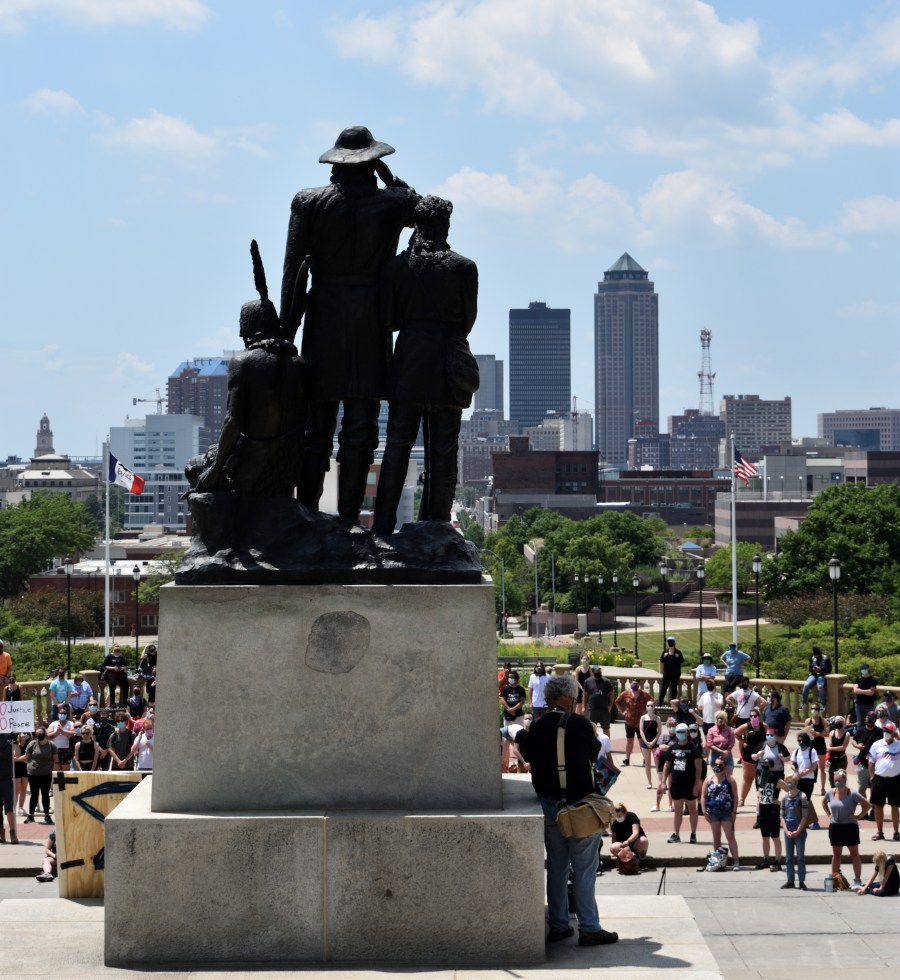
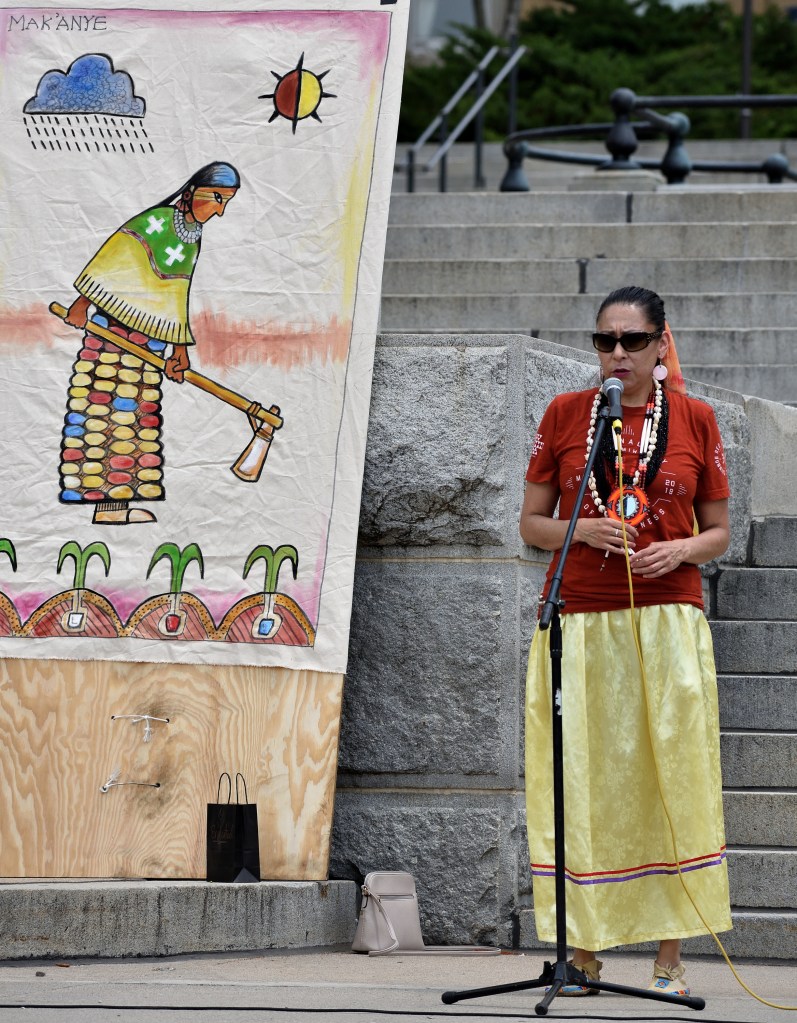
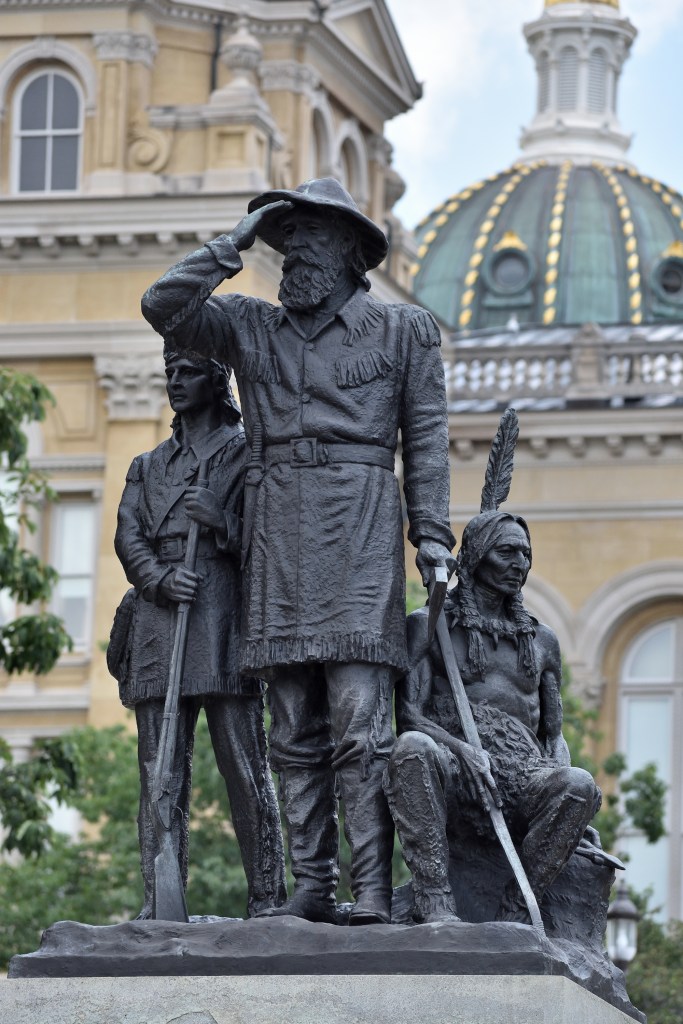
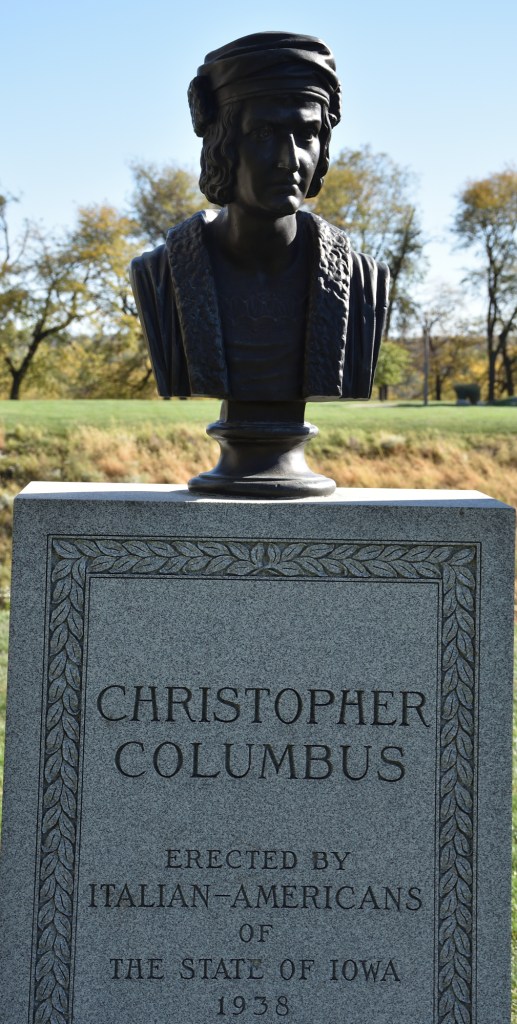
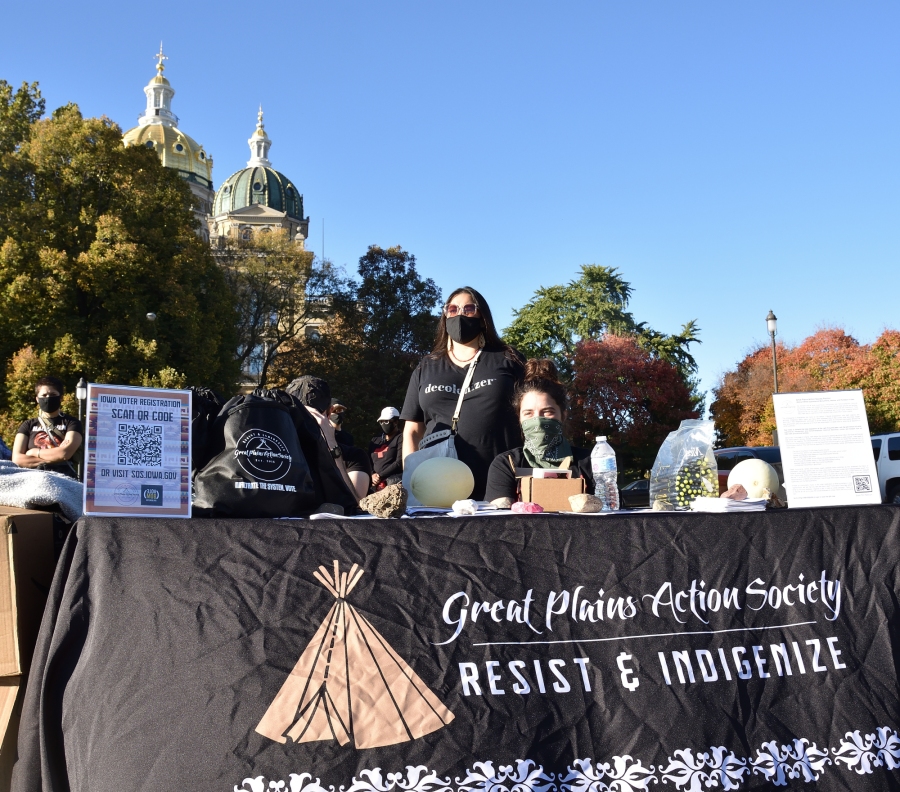
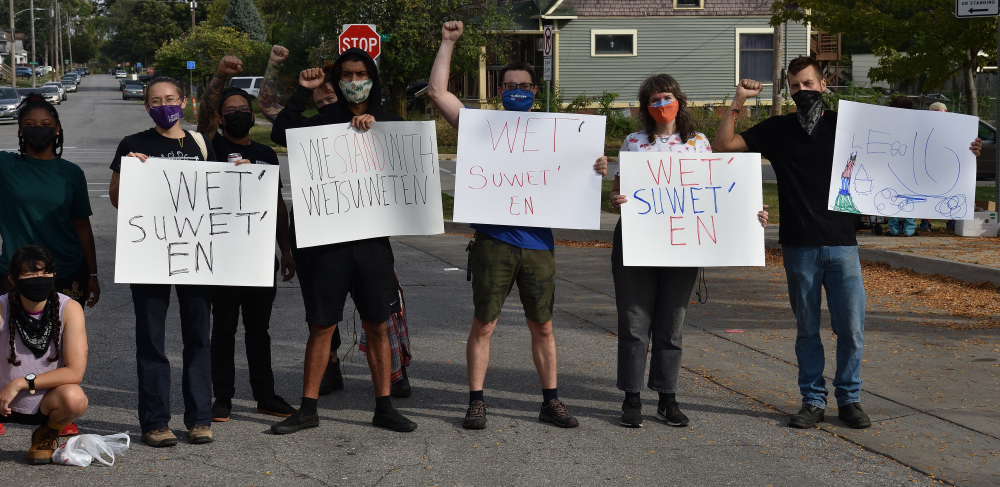
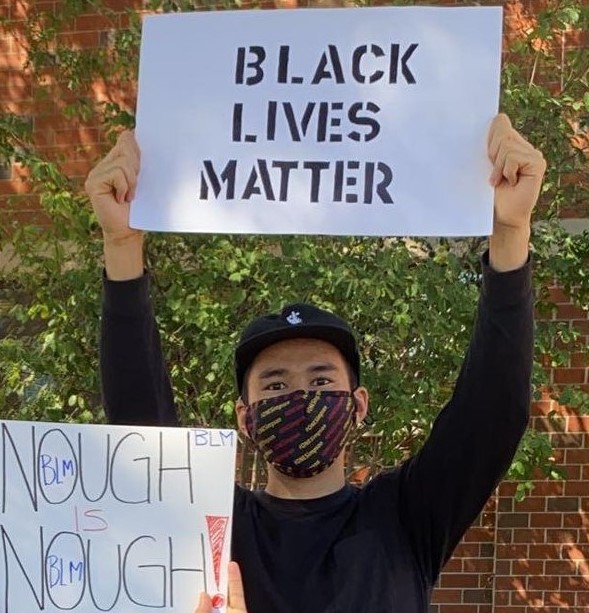
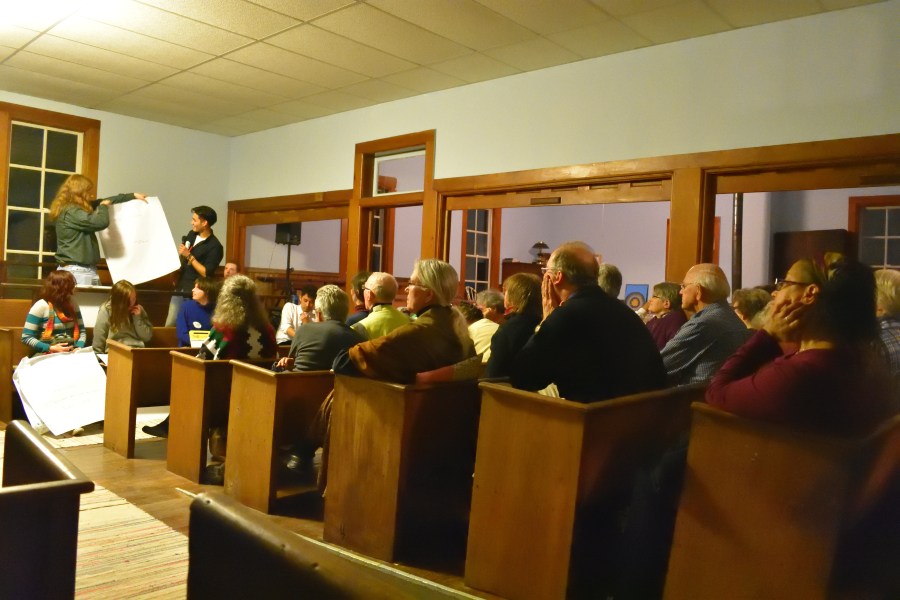
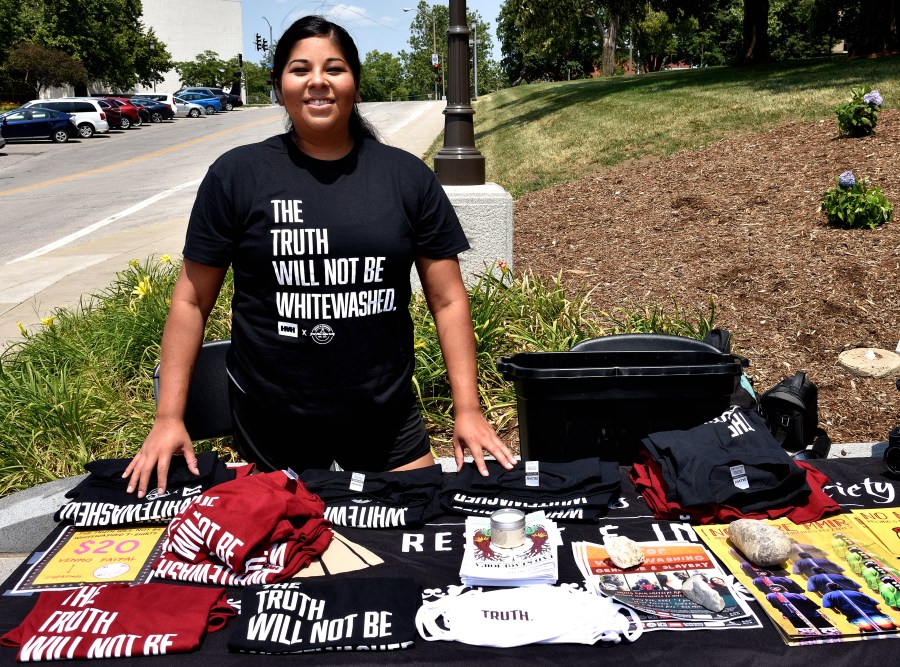
The Great Plains Action Society has organized gatherings at the Iowa State Capitol for several years on July 4th, referred to as the Fourth of He Lies. I attended these events and took the photos below. My Des Moines Mutual Aid community has been involved.

In 2021 the event was called Stop Whitewashing Genocide and Slavery. Bring Back Critical Race Theory & Remove Monuments to White Supremacy!

Indigenous Led | Great Plains Action Society I United States

On July 4th, stand with Great Plains Action Society, Iowa Citizens for Community Improvement, Ní Btháska Stand Collective, Des Moines Black Liberation Movement, Humanize My Hoodie, Revolutionary Action Party, Quad Cities Interfaith, Iowa Coalition for Collective Change, and Des Moines Mutual Aid!

Join us on “Fourth of He Lies” to demand that the Iowa legislators remove whitewashed monuments to white supremacy in Iowa. Organizers will present a petition demanding that all racist, misogynistic, homo/transphobic, whitewashed historical depictions be removed from all state grounds and facilities. These monuments fall into the realm of hate propaganda and make folks feel unwelcome in public spaces. So, we need legislation that removes all monuments, murals, and depictions of white supremacist persons, acts, and ideologies from all Iowa state grounds and state-funded institutions.

Great Plains Action Society
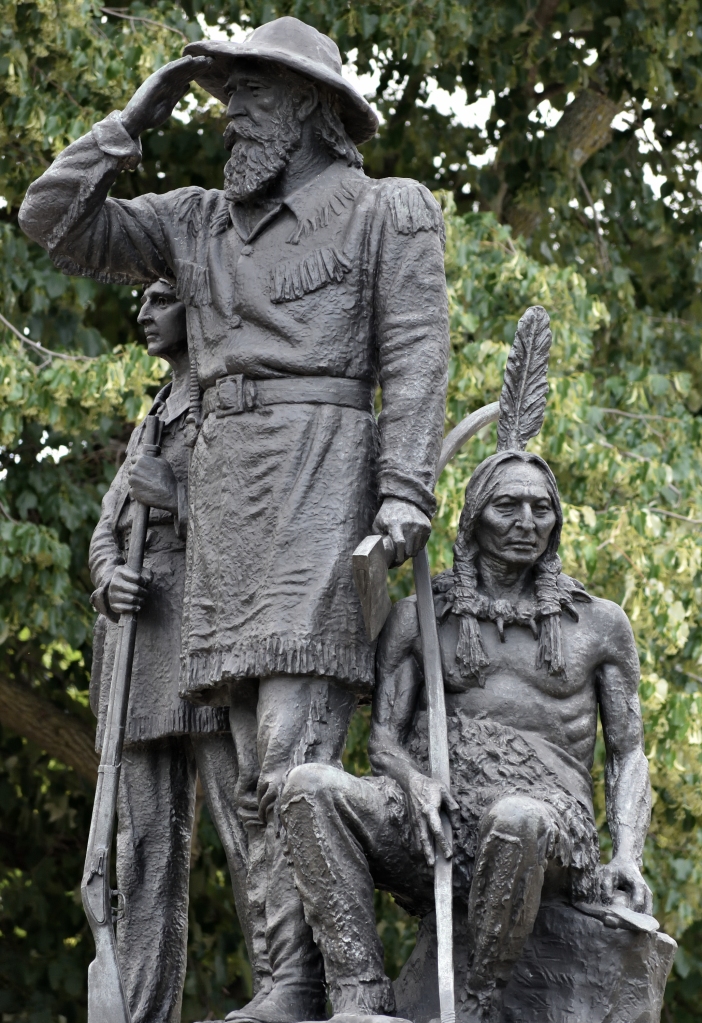

(C)2021 Jeff Kisling

Two decolonizing efforts

Emerging decolonial efforts are a welcome acknowledgement of the growing realization on the part of more settler-colonists of the incredible harms and injustices Indigenous peoples have experienced that have passed from generation to generation. That every Indigenous person suffers today.


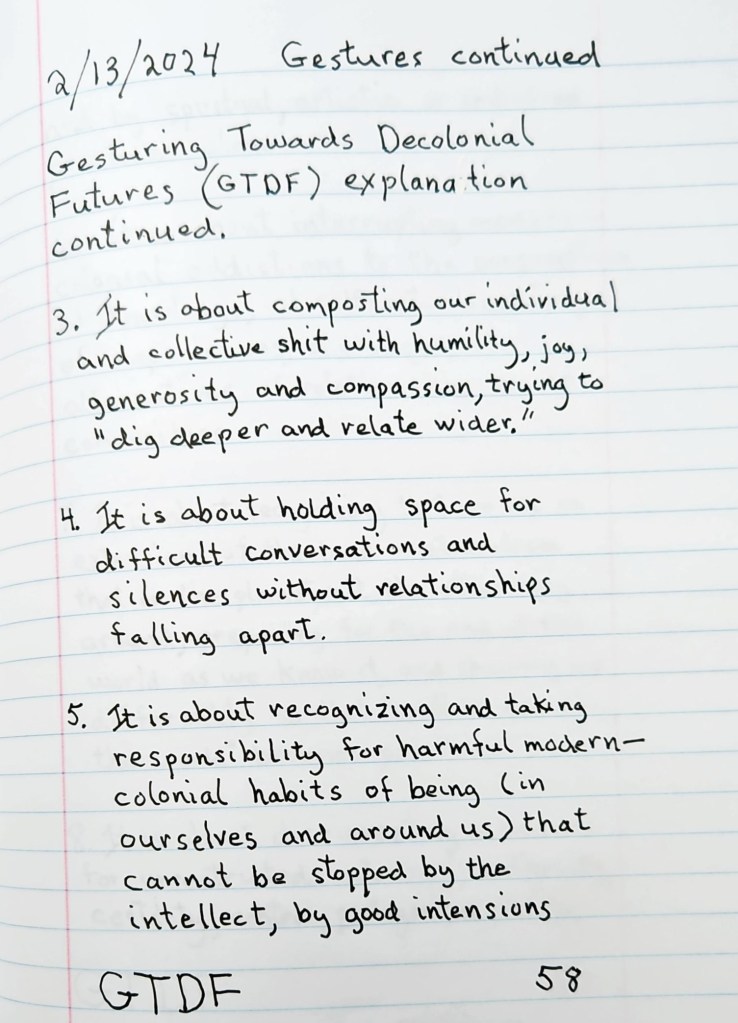
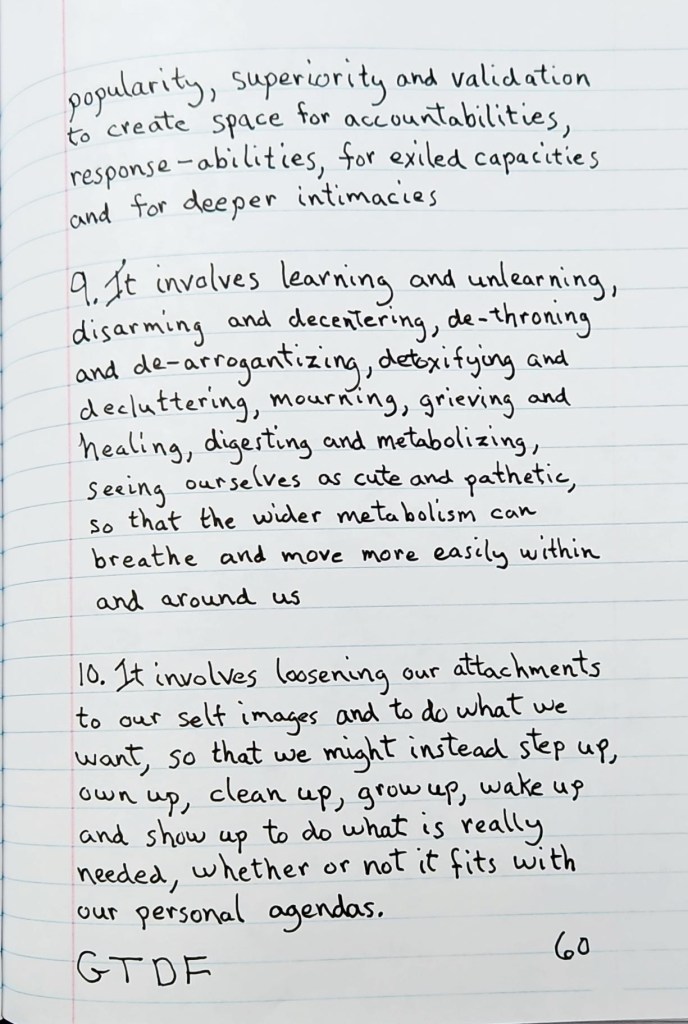
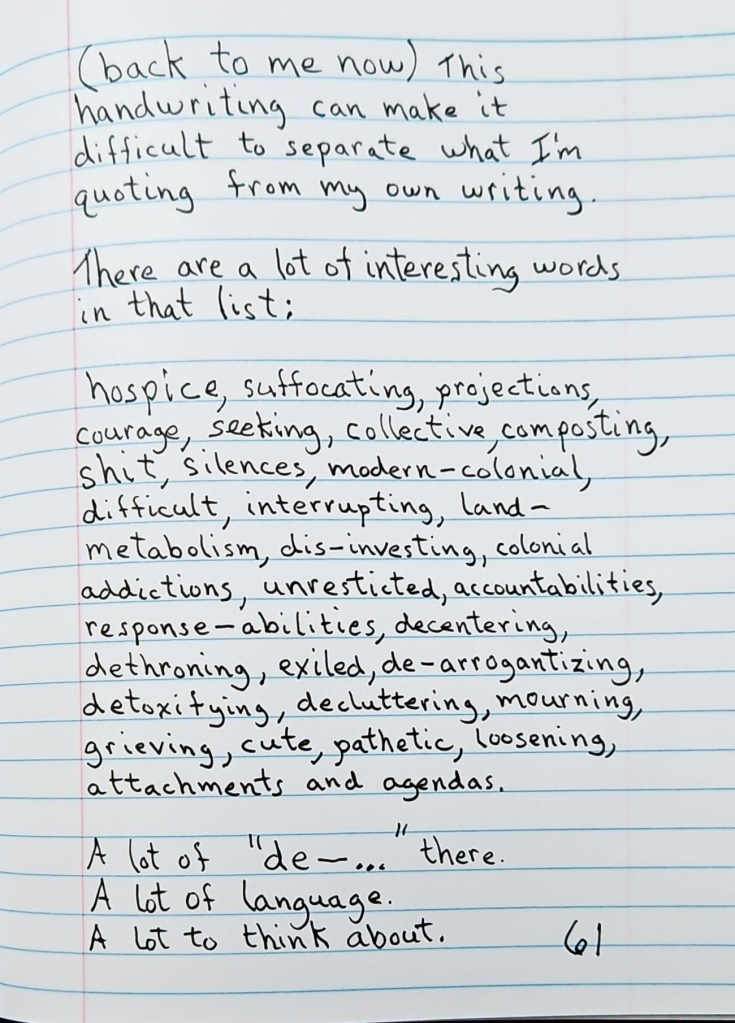
Gesturing Towards Decolonial Futures

Gesturing Towards Decolonial Futures (GTDF) is an arts/research collective that uses this website as a workplace for collaborations around different kinds of artistic, pedagogical, cartographic, and relational experiments that aim to identify and de-activate colonial habits of being, and to gesture towards the possibility of decolonial futures.

https://decolonialfutures.net/


LANDBACK and Quakers

What does the Green Party of St. Louis think about the war against Palestine? And why do we call for LandBack?


John Horgan.
PO BOX 9041 STN PROV GOVT VICTORIA, BC V8W 9E1.
Email premier@gov.bc.ca

John Horgan,
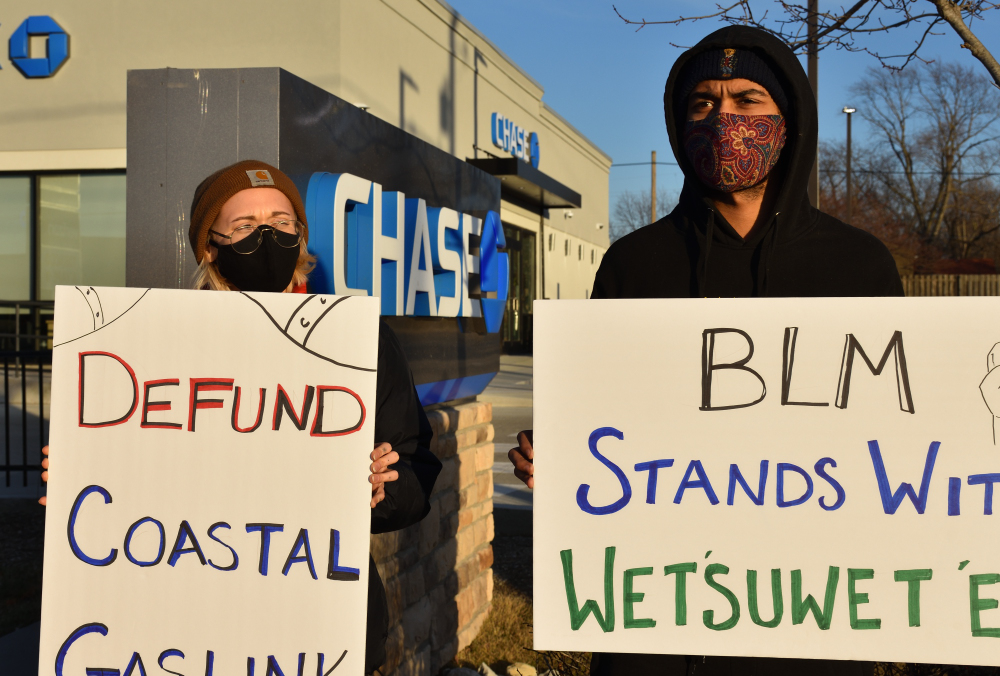
We’re concerned that you are not honoring the tribal rights and unceded Wet’suwet’en territories and are threatening a raid instead.

We ask you to de-escalate the militarized police presence, meet with the Wet’suwet’en Hereditary Chiefs, and hear their demands:

That the province cease construction of the Coastal Gaslink Pipeline project and suspend permits..

That the United Nations Declaration on the Rights of Indigenous Peoples (UNDRIP) and tribal rights to free, prior and informed consent (FPIC) are respected by the state and RCMP.

That the Royal Canadian Mounted Police (RCMP) and associated security and policing services be withdrawn from Wet’suwet’en lands, in agreement with the most recent letter provided by the United Nations Committee on the Elimination of Racial Discrimiation’s (CERD) request.

That the provincial and federal government, RCMP and private industry employed by Coastal GasLink (CGL) respect Wet’suwet’en laws and governance system, and refrain from using any force to access tribal lands or remove people.


https://designrr.site/?i=gzmf&t=2bb0c9

The eyes of the future are looking back at us


There is a native concept of considering what the effects of decisions made today will be on seven generations into the future.

The following quotation makes a two-way connection between us and future generations. Looking at each other over the generations.

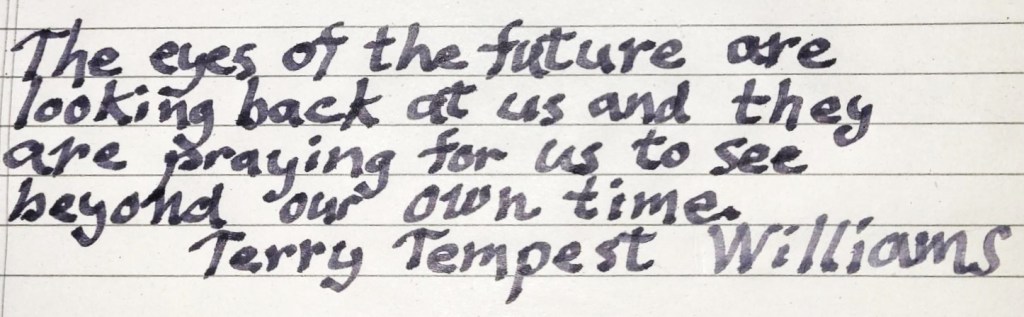
The eyes of the future are looking back at us and they are praying for us to see beyond our own time. They are kneeling with hands clasped that we might act with restraint, that we might leave room for the life that is destined to come. To protect what is wild is to protect what is gentle. Perhaps the wilderness we fear is the pause between our own heartbeats, the silent space that says we live only by grace. Wilderness lives by this same grace. Wild mercy is in our hands.
― Terry Tempest Williams, Refuge: An Unnatural History of Family and Place

Similarly, can we not look back at our ancestors? We are our ancestors’ future generation looking back.

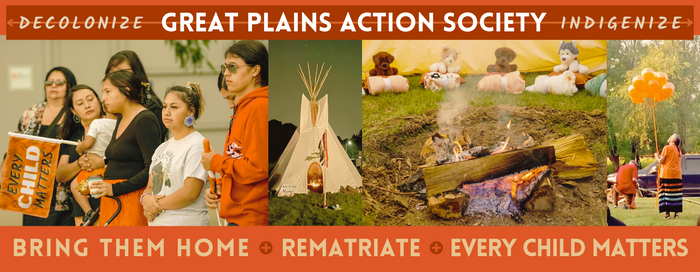
I think about this a lot these days. As stories of the remains of native children on the grounds of the institutions of forced assimilation continue. Thousands of children never returned home.

I’ve been praying about what we are doing now and how much harm this is doing to future generations. My Spirit recoils from the likelihood there probably will not be a seventh, or sixth, or fifth generation because of the accelerating rate of environmental collapse.

What have we done?

What will we do?

As we work for change, we are admonished that we need to tell new stories. This morning I found this story Nico Santos tells, from the movie Dragon Rider.

“Wings”

Oh, I’ve been lost in the darkness
I heard your voice from afar
You weren’t my callin’
Whenever the night was starless
And I couldn’t see anymore
You showed me the mornin’

So I-I-I wanna let you know
When life has got you low

I’ll be your wings to fly
When there’s trouble on your mind
Whenever you’re ’bout to fall
There’s nothin’ I won’t try
‘Cause I’ll be your wings to fly
When you’re sufferin’ inside
Come hell or high water
Got you covered all my life
Let these wings take you
High, high
There’s nothin’ I won’t try

We built our own kinda fortress
Nothing can break us apart
Walls won’t be fallin’
These walls won’t be fallin’
I wouldn’t be if it wasn’t for you
I wouldn’t speak if it wasn’t the truth
You are my callin’
You are my callin’

So I-I-I wanna let you know
When life has got you low

I’ll be your wings to fly
When there’s trouble on your mind
Whenever you’re ’bout to fall
There’s nothin’ I won’t try
‘Cause I’ll be your wings to fly
When you’re sufferin’ inside
Come hell or high water
Got you covered all my life
Let these wings take you
High, high
There’s nothin’ I won’t try

You were my eyes, oh, when I couldn’t see
Were my voice, oh, when I couldn’t speak
Can I give it back to you?
Let me give it back to you
You were my legs, oh, when I couldn’t run
Were my heart when my own went numb
I’ll do what I have to do
Everything to get you through

I’ll be your wings to fly
When there’s trouble on your mind
Whenever you’re ’bout to fall
There’s nothin’ I won’t try
‘Cause I’ll be your wings to fly
When you’re sufferin’ inside
Come hell or high water
Got you covered all my life
Let these wings take you
High, high
There’s nothin’ I won’t try
Let these wings take you
High, high
There’s nothin’ I won’t try
Let these wings take you high

Nico Santos, WINGS from the movie Dragon Rider

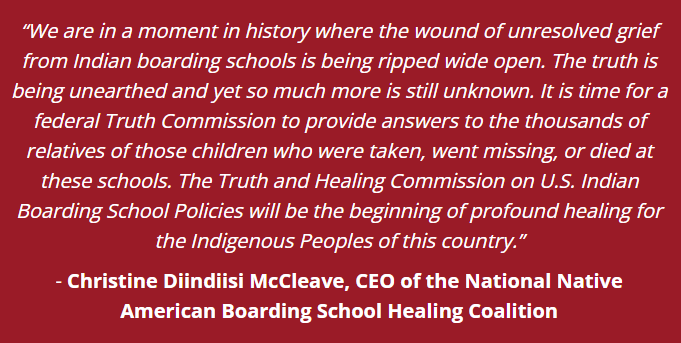
Truth and healing coalition

Yesterday at my Quaker meeting, Bear Creek Friends near Earlham, Iowa, we continued discussions related to Quakers and our relations with Native peoples generally, and those we know personally. There was deep sharing related to what we were learning about the institutions of forced assimilation. Like me, others indicated they had not understood the depths of the tragedies of forced assimilation. We have little specific information about the role of some of our ancestors. While it is not appropriate to share what was said without the permission of those present during the meeting’s discussion, I think it is important to state that we are engaged in the process of learning more, i.e. truth telling, and what we might do. There was discussion about healing.

The National Native American Boarding School Healing Coalition (NABS) has many excellent resources. One of their excellent publications is Healing Voices Volume 1: A Primer on American Indian and Alaska Native Boarding Schools in the U.S.

NABS was formed in 2012, in part to advocate for the establishment of a federal commission on U.S. Indian Boarding Schools, similar to the Truth and Reconciliation Commission on Canada’s Residential Schools. For years, NABS has been part of a grassroots movement of Native academics, researchers, tribal leaders, and boarding school survivors and descendants who are seeking truth, justice, and healing. The work to introduce a congressional commission has been underway for almost a decade.

The announcement by U.S. Interior Secretary Debra Haaland of the Department of the Interior’s Federal Indian Boarding School Truth Initiative in June this year is an important first step in the federal government taking accountability for revealing the truth, but we believe a Congressional Commission is the most comprehensive approach to developing a complete picture of the ongoing impact Indian boarding schools have had on generations of American Indian, Alaska Native, and Native Hawaiian people. This is critical to providing a path toward healing for individuals, families and Tribal communities that have endured the devastating consequences of Indian boarding school policies.

TRUTH AND HEALING COMMISSION ON INDIAN BOARDING SCHOOL POLICIES IN THE U.S.

Here is a link a fact sheet related to the National Native American Boarding School Healing Coalition.

Why a Truth and Healing Commission

We have a right to know the truth of what happened in Indian boarding schools in the United States.

Over the course of a century, hundreds of thousands of our children were taken or coerced away from our families and Tribes and forced to attend government-sanctioned Indian boarding schools. These schools were tools of assimilation and cultural genocide, resulting in the loss of language and culture and the permanent separation of children from their families. To date, there has never been an accounting of:

  • the number of children forced to attend these schools;
  • the number of children who were abused, died, or went missing while at these schools; and
  • the long-term impacts on the children and the families of children forced to attend Indian boarding schools.
Key Provisions of the Bill
  • Examines the location of children
  • Documents ongoing impacts from boarding schools
  • Locates church and government records
  • Holds culturally-appropriate public hearings to collect testimony from survivors and descendants.
  • Institutional knowledge gathering from subject matter experts
  • Shares findings publicly
  • Provides a final report with a list of recommendations for justice and healing

TRUTH AND HEALING COMMISSION ON INDIAN BOARDING SCHOOL POLICIES IN THE U.S.

This is a link to articles on this website related to the institutions of forced assimilation. https://landbackfriends.com/forced-assimilation/

Spiritual basis of justice work

This morning my Quaker meeting will continue to discuss our work for peace and justice. In preparation, I’ve been praying about the spiritual basis of justice work.

Quakers have a long history of work related to Indigenous peoples, including participation in the institutions of forced assimilation (sometimes referred to as boarding or residential schools).

In the following, Paula Palmer writes about her spiritual leading that led to a ministry related to Quakers and Native peoples. She writes, “from our twenty-first-century vantage point, we know (or can learn) how Native people suffered and continue to suffer the consequences of actions that Friends committed 150 ago with the best of intentions. Can we hold those good intentions tenderly in one hand, and in the other hold the anguish, fear, loss, alienation, and despair borne by generations of Native Americans?”

What happened at those institutions is generating attention these days as the remains of thousands of children are being uncovered on the grounds of these institutions.

What I’ve been praying about for years is how Quakers could have become involved in those institutions? Not to judge what individual Friends might have done but wondering how the Spirit could have guided them to participate. This is a clear example of white supremacy and dominance. Those involved thought the Native children should be forced to learn the ways of the white society that was engulfing them.

This has led me to pray about:

  • How can Friends work spiritually toward truth and reconciliation?
  • What things might we be doing now that are not spiritually grounded?
  • How can we challenge and support each other to seek a spiritual basis for our work now?

As Paula Palmer writes, “who are Friends today? Knowing what we know now, will Quakers join us in honest dialogue? Will they acknowledge the harm that was done? Will they seek ways to contribute toward healing processes that are desperately needed in Native communities?”

Last year I responded to a call that came from two sources: from Spirit, in the manner of Friends experiencing leadings, and from a coalition of Native American organizations that is working to bring about healing for Native people who still carry wounds from the Indian boarding schools.

My leading started with a nudge four years ago and grew into a ministry called Toward Right Relationship with Native Peoples. This ministry has grown in depth and breadth under the loving care of the Boulder (Colo.) Meeting. Working in partnership with Native American educators, I learned about their efforts to bring healing to the Native people, families, and communities that continue to suffer illness, despair, suicide, violence, and many forms of dysfunction that they trace to the Indian boarding school experience.

The National Native American Boarding School Healing Coalition says that for healing to occur, the full truth about the boarding schools and the policy of forced assimilation must come to light in our country, as it has in Canada. The first step in a truth, reconciliation, and healing process, they say, is truth telling. A significant piece of the truth about the boarding schools is held by the Christian churches that collaborated with the federal government’s policy of forced assimilation. Quakers were among the strongest promoters of this policy and managed over 30 schools for Indian children, most of them boarding schools, during the nineteenth and early twentieth centuries. The coalition is urging the churches to research our roles during the boarding school era, contribute this research to the truth and reconciliation process, and ask ourselves what this history means to us today.

Native organizations are not asking us to judge our Quaker ancestors. They are asking, “Who are Friends today? Knowing what we know now, will Quakers join us in honest dialogue? Will they acknowledge the harm that was done? Will they seek ways to contribute toward healing processes that are desperately needed in Native communities?” These are my questions, too.

Quaker Indian Boarding Schools. Facing Our History and Ourselves by Paula Palmer, Friends Journal, Oct 1, 2016


The country known as Canada went through a year’s long process of truth and reconciliation. The document referenced below is about what was learned in that process. A similar process is beginning in the land called the United States.
See: https://landbackfriends.com/2021/10/26/native-american-legislative-update/


It is due to the courage and determination of former students—the Survivors of Canada’s residential school system—that the Truth and Reconciliation Commission of Canada (TRC) was established. They worked for decades to place the issue of the abusive treatment that students were subjected to at residential schools on the national agenda. Their perseverance led to the reaching of the historic Indian Residential Schools Settlement Agreement.
All Canadians must now demonstrate the same level of courage and determination,
as we commit to an ongoing process of reconciliation. By establishing a new and respectful relationship between Aboriginal and non-Aboriginal Canadians, we will restore what must be restored, repair what must be repaired, and return what must be returned.

What We Have Learned. Principles of Truth and Reconciliation. The Truth and Reconciliation Commission of Canada

Minute approved by Iowa Yearly Meeting (Conservative)

To this day we have not come to grips with fundamental injustices our country was built on, the cultural genocide and theft of land from Native Americans, the enslavement of African Americans and the legal justifications of bestowing rights and privileges on white land-owning men. The consequences of these injustices continue to plague our society today. And will continue to impact us until we do what is necessary to bring these injustices to light and find ways to heal these wounds.

Several Friends recently assisted Boulder Meeting Friend, Paula Palmer, to lead workshops and discussions as part of her ministry “toward right relationships with Native people.” Part of the tragedy of the theft of Native land is that some Native people don’t have the concept of land as property, belonging to a landowner. Rather they have a spiritual connection to Mother Earth, that the land is sacred and not something that can be claimed as property by anyone. Being forced to leave their land broke their spiritual bonds with the land.

Native people have asked us to begin work toward reconciliation and healing. The first step needed is truth telling, recognizing that injury or harm has taken place. One of the important parts of holding “right relationship” workshops is to determine which Native nations were on the land before white settlers arrived.

Iowa Yearly Meeting (Conservative) 2019

National Day for Truth and Reconciliation

Today, Sept 30, 2021, is the first National Day for Truth and Reconciliation in the country known as Canada. There is a lot of publicity now related to the institutions of forced assimilation. The remains of thousands of children being located by ground penetrating radar on the grounds of those institutions. Articles about the history of the residential schools, stories of those who attended, those who never returned. The suffering of those living today who are survivors of those schools. Those suffering today from the intergenerational trauma that has passed from generation to generation.

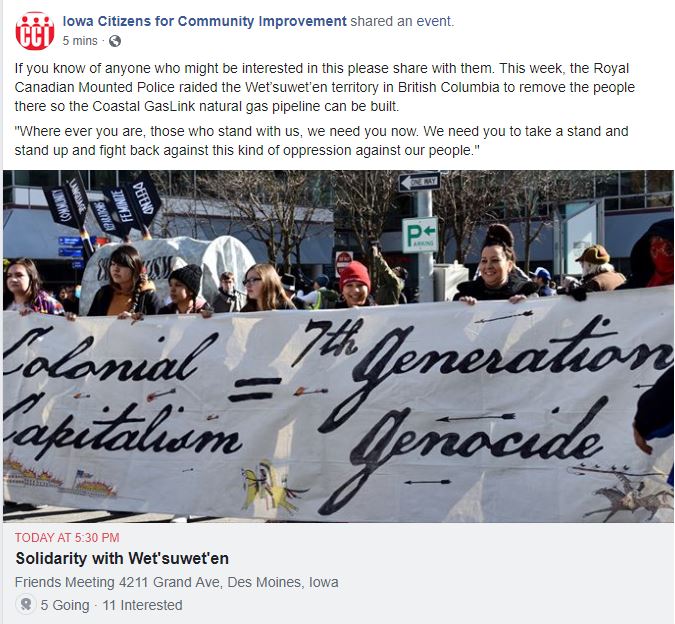
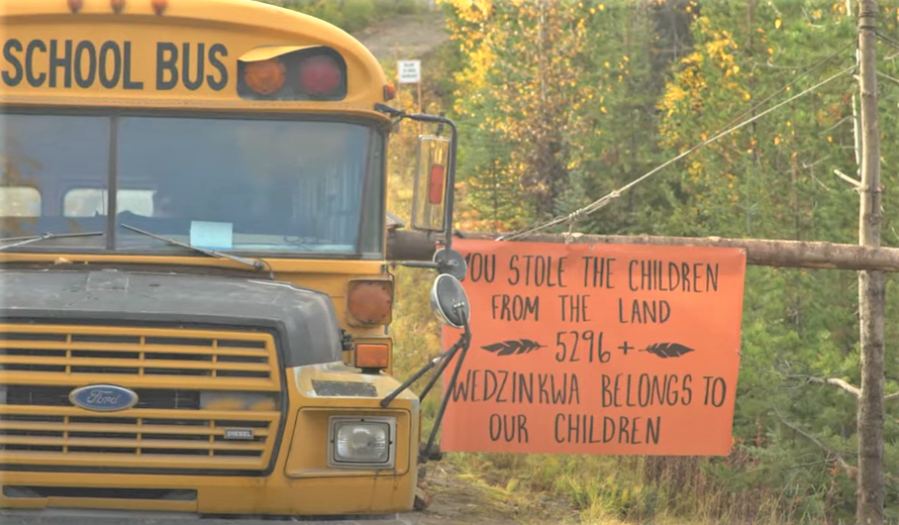
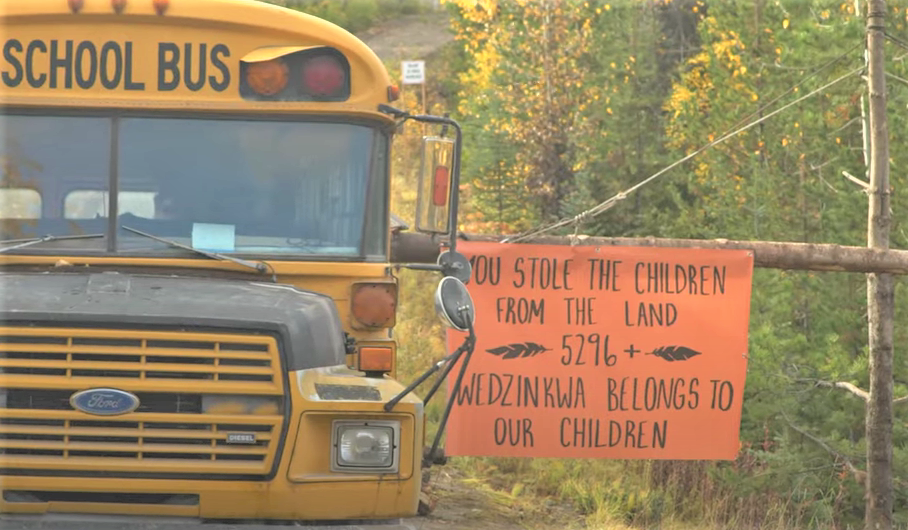
And the suffering continuing today as the Royal Canadian Mounted Police side with Coastal GasLink pipeline employees as they forced construction through Wet’suwet’en territory (video below)

These stories and events should be told by those who have been affected. People can re-traumatized. You can hear some of those stories in the following.

The National Residential School Crisis Line 1-866-925-4419

Included below are:

  • the reports from the Truth and Reconciliation Commission and its calls to action
  • the video from CBC/Radio, We Know the Truth: Stories to inspire reconciliation
  • and a video of the Royal Canadian Mounted police painfully removing a land defender locked under a bus on the Wet’suwet’en territory. There cannot be reconciliation when the government continues to enforce construction of pipelines through Indigenous lands.

National Day for Truth and Reconciliation

September 30, 2021 marks the first National Day for Truth and Reconciliation.

The day honours the lost children and Survivors of residential schools, their families and communities. Public commemoration of the tragic and painful history and ongoing impacts of residential schools is a vital component of the reconciliation process.

The creation of this federal statutory holiday was through legislative amendments made by Parliament. On June 3, 2021, Bill C-5, An Act to amend the Bills of Exchange Act, the Interpretation Act and the Canada Labour Code (National Day for Truth and Reconciliation) received Royal Assent.

Commemorating National Day for Truth and Reconciliation
Illuminating Parliament Hill

To commemorate the National Day for Truth and Reconciliation and to honour the Survivors, their families and communities, buildings across Canada will be illuminated in orange September 29 and/or September 30, from 7:00 pm to sunrise the next morning. This will include federal buildings such as the Peace Tower on Parliament Hill.

Truth and Reconciliation Week

This 5-day, bilingual educational event will include programming designed for students in grades 5 through 12 along with their teachers and feature Indigenous Elders, youth and Survivors. The event will be pre-recorded and webcasted, allowing for schools and classrooms participation from across the country and the involvement of Indigenous and non-Indigenous students.

National Day for Truth and Reconciliation Broadcast

A 1-hour bilingual primetime show in partnership with, and broadcast on, CBC/Radio-Canada and APTN will be devoted to the National Day for Truth and Reconciliation. Programming will include presentations on the importance of this day as well as cultural and artistic performances in support of healing and giving voices to Indigenous peoples.

APTN Sunrise Ceremony

APTN will present pre-taped Sunrise ceremony featuring drummers, singers, Elders and various Indigenous traditions.

Truth and Reconciliation Commission and its calls to action

There were 140 federally run Indian Residential Schools which operated in Canada between 1831 and 1998. The last school closed only 23 years ago. Survivors advocated for recognition and reparations and demanded accountability for the lasting legacy of harms caused. These efforts culminated in:

The Truth and Reconciliation Commission ran from 2008 to 2015 and provided those directly or indirectly affected by the legacy of the Indian Residential Schools policy with an opportunity to share their stories and experiences. The National Centre for Truth and Reconciliation has become the permanent archive for the statements, documents and other materials the Commission gathered, and its library and collections are the foundation for ongoing learning and research.

The Commission released its final report detailing 94 calls to action. The National Day for Truth and Reconciliation is a direct response to Call to Action 80, which called for a federal statutory day of commemoration.


On the inaugural National Day of Truth and Reconciliation, we’re introducing Canadians to Indigenous people who are flipping the conversation on reconciliation.

We Know the Truth: Stories to inspire reconciliation.

CBC/Radio is a Canadian public broadcast service.

There were also residential schools in the land called the United States. Secretary of the Interior, Deb Haaland, has initiated an investigation of these institutions of forced assimilation and the remains of the children.

Today only, Jason Eaglespeaker is making his graphic novels (there are three versions) “UNeducation, Vol 1: A Residential School Graphic Novel” available free of charge.


There cannot be reconciliation when the government continues to enforce construction of pipelines through Indigenous lands

How incredible is it that the Royal Canadian Mounted police continue to attack land defenders resisting the construction of the Coastal GasLink pipeline through the Wet’suwet’en lands in British Columbia?


Gidimt’en Access Point

On September 27th, a land defender blocking a fracked gas pipeline was tortured by police.

This is the second arrest at the drill pad site access road, where Coastal Gaslink (CGL) plans to drill under Wedzin Kwa (Morice River), the sacred headwaters on Wet’suwet’en yintah. The arrest was brutal.

The RCMP officers used “pain compliance” for an hour on the person locked under the bus in a hard lock, insisting the person just let go, which very clearly they were not able to do.

The RCMP then had CGL contractors, instead of an extraction team, come in to extract the person. The injunction very clearly states that RCMP are the only ones to enforce the injunction. This is in violation of that.

This comes on the heels of the RCMP being at fault for the injunction renewal denial for the Fairy Creek defence based on their tactics against peaceful people.

Tomorrow is the “National Day of Truth and Reconciliation” in Canada, and here we clearly see that violence and forced removal from Indigenous lands are on full display.

This is about our yintah (land). It always has been. They have been trying to steal our lands and resources since contact and they will bulldoze and torture their way through to get it, because all they care about is money. We will never give up. Join us. Yintahaccess.com

CW: VIOLENT ARREST OF LAND DEFENDER
https://youtu.be/h4gK5scLMhk

Students teaching students

Yesterday I saw the great presentation, Online Pushback:UnBan Anti-Racism Education in Iowa, a forum by Indigenous youth of the Great Plains Action Society related to Iowa’s ban on teaching Critical Race Theory or Anti-Racism Education (video below).

Indigenous Youth Organizers, Alexandrea Walker and Keely Driscoll, have started a youth-led movement to demand that the current Iowa Administration unban Anti-Racism Education, aka, Critical Race Theory. For the sake of health and safety for all, it is imperative that Kim Reynolds reverse the overtly white supremacist decision to ban anti-racism education plus diversity, equity, and inclusion programming in the classroom and in all state-funded institutions

At the 12:15 mark in the video above, my friend Sikowis Nobiss introduces her son Alden who is in sixth grade. With the ban against teachers teaching about anti-racism, he spoke about his idea of students teaching each other as an alternative.

Sikowis: Hello everybody. I am here with my son today and his name is Alden and he’s in sixth grade. And he’s being affected by the ban on critical race theory or as we like to call it anti-racism education, decolonization work, diversity equity inclusion. Those are better terms for it because critical race theory is a term that they’re using to manipulate the situation, to make it sound like it’s critical, you know that it’s being like overtly hard on something when really it means how like you know analyzing something specifically or properly.
So, Alden is in grade six and you know he’s got some interesting thoughts about this, and I wanted to ask him like what does he think, what do you think about the ban on critical race theory?
Alden: It’s not that good.
Sikowis: How come?
Alden: I mean people should know that what happened in the past or else the history is just going to repeat itself. Just the same thing that happens over and over right? Seems like it isn’t going to stop if people don’t take action and more people like Reynolds is going to ban stuff.
Sikowis: And you had an interesting idea, you had said that teachers can’t teach critical race theory right? But students can. Can you tell us more about that?
Alden: The governor only said that teachers couldn’t say stuff like that and they couldn’t teach stuff like that, but that doesn’t mean schools can’t just be used to teach inside like only teachers.
Sikowis: So, who would teach like you want?
Alden: Kids to teach each other. Yeah the more educated kids that are like me I guess that know about what happened in the past.
Sikowis: Very good thank you so much Alden. We appreciate you making those remarks. That took a lot of bravery for him. I’m very proud of that.
I hope you guys could hear that. He basically thinks that if teachers can’t teach critical race theory then why can’t students do it? So that’s his idea. He thinks that students can teach each other in their spare time. During recess during, lunch time and that’s something that he’s going to try to do. So, we have a book that he’s going to share called 500 Years After Columbus, which is a curriculum guide for teaching better indigenous studies for k-12. So, he’s already taking a look at that.


Just as the final report from the National Inquiry into Missing and Murdered Indigenous Women and Girls triggered shock waves across the country, bringing conversations about violence against Indigenous people into the classroom, so did the discovery of 215 children’s remains at the Kamloops Indian Residential School earlier this year.

As the National Day for Truth and Reconciliation approaches, we can expect Canadian teachers are thinking about how they can better weave Indigenous perspectives into their lesson planning.

In the past, events like this rarely made it as national news, staying inside our Indigenous communities where the pain remained hidden from the rest of Canada. Now, teachers are talking about them with their students — how history and society influence individual situations of race-motivated violence and cultural genocide. It’s our responsibility to make sure they are equipped to teach the truth and acknowledge the important role schools play in reconciliation.

We owe it to all students to bring truth and drive reconciliation in classrooms by Linda Isaac & John Estabillo, National Observer, September 16th, 2021.

For specific teachings on Indian Boarding Schools and the United States assimilation policies—a history educators say is central in contextualizing present day culture for Native and non-Native youth alike— statistics are even bleeker.

“Over the course of the last couple of years, we’ve identified five states—only five states— that have even mentioned Indian boarding schools in their content in their state content standards, which is unimaginable,” said Sam Torres, director of research and programs at The Native American Boarding School Healing Coalition. Those states, surveyed by NABSHC in 2015, are: Arizona, Washington, Kansas, Oklahoma, and North Dakota. 

“It’s obviously a representation and reflection of what is being valued in educational and curricular context,” Torres said. 

For its part, NABSHC—an organization that has been at the helm of increasing public awareness on boarding schools since its founding nearly a decade ago—in 2020 released its first ever Truth and Healing Curriculum. The curriculum, available for free online, is made up of four lessons on Indian Boarding Schools focusing on history, impacts, stories, and healing.

The vast majority of Americans don’t learn about Indian boarding schools growing up. These Native leaders and educators want to change that by JENNA KUNZE, Native News Online, SEPTEMBER 13, 2021

We owe it to Indigenous educators who are triggered and challenged to deliver education around a topic like residential schools that have impacted them. Educators like me, who when viewing the images of children with their plain clothes, short hair, and empty eyes — identities stripped — still struggle to separate the pain we hold from lesson planning.

We also owe it to non-Indigenous educators who lack confidence in teaching because they weren’t taught the truth about the atrocities of the residential school system. This is a significant blocker to the successful integration of truth-telling in our classrooms, which can be solved by supporting educators in their journey of learning.

We must ensure the materials passed down to educators are written accurately by authentic voices. We need ongoing government funding and access to professional learning programs. Alberta is one province that does this well. Its Teacher Qualifications Standard requires educators to take courses in foundational knowledge of Indigenous history.

We owe it to all students to bring truth and drive reconciliation in classrooms by Linda Isaac & John Estabillo, National Observer, September 16th, 2021.

even Quakers if you can believe that

even Quakers if you can believe that“. I heard this from an Indigenous friend during a presentation about institutions of forced assimilation. This is damning for us Quakers. A jarring dichotomy of being viewed as leaders in the work for peace and justice and yet to have participated, continue to participate in the cultural genocide of Native peoples. Cultural genocide and oppression continue today.

A great deal has been said about white people making the best of a bad situation when native lands and peoples were overwhelmed by the flood of white settler colonists moving across the land. Saying it was in the best interest of the native children to be educated about the white world. When instead this intentional cruelty was intended to break the resistance of Native peoples who did not want to give up their lands. And it was successful.

Unless there is documentation, or oral history, we don’t know what a given individual, perhaps one of our ancestors, might have done in these institutions. Additionally, there are so many ways we ourselves have failed our children and future generations. The extinction of millions of species will eventually include human beings.

But none of that excuses the idea that white people are somehow superior. That is diametrically opposed to the idea that there is that of God in every person and thing. A shameful legacy of oppression of black, Indigenous and other people of color (BIPOC) that continues.

My friend Sikowis and her cousin Janna Pratt gave a Zoom presentation about Native American Boarding School Violence & Whitewashed History as part of the Women’s International League for Peace and Freedom 34th Triennial Congress.

Janna Pratt and Sikowis Nobiss are cousins and both citizens of the George Gordon First Nation and will discuss the rape, torture, and murder of Indigenous children in Canada and the US due to boarding school / residential school policy in the US and Canada and the silence behind the Indigenous genocide on Turtle Island. Janna lives in Saskatchewan, Canada and Sikowis lives in Iowa, USA. They will also delve into the work they are doing to overcome historical trauma and combat the erasure of this crisis by white supremacist governments.

She (Sikowis )is also a speaker, writer, and artist and believes that environmental and social justice work are inextricably linked and change will only happen when we dismantle corrupt colonial-capitalist systems and rebuild them with a decolonized worldview.

With the recent discoveries of children who perished while attending Indian residential schools, her (Janna) sights are now set on finding the children. Janna is a 4th generation residential school survivor and has lived through the decimation of culture these schools forced upon children, built under a policy enforced by the Canadian government to inflict cultural genocide. Janna is currently working on an archive that will gather information on residential schools, Missing and Murdered Indigenous Peoples, and veteran information to build resources for Indigenous communities. She hopes to inspire other projects with this knowledge and create Indigenous virtual reality experiences that are accessible no matter the distance.

They made the connections between Native children violently removed from their families, many times never to return, to the current epidemic of violence against Native women, to Missing and murdered Indigenous relatives (MMIR). The forced removal of Native children continues to this day, by social service agencies.

One of the topics of the presentation was the silence behind the Indigenous genocide on Turtle Island. Will we break this silence?

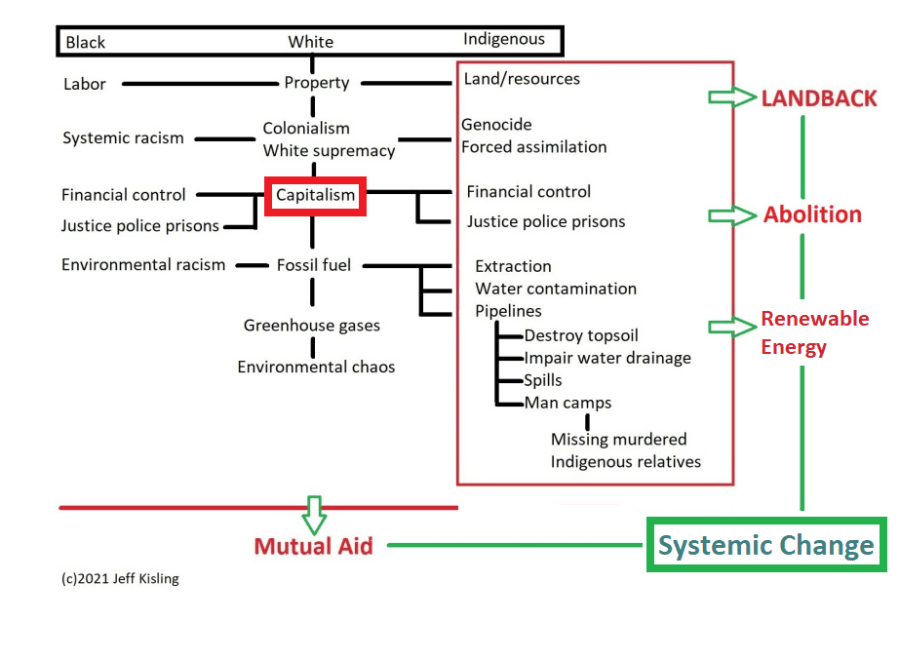
As Sikowis says, change will only happen when we dismantle corrupt colonial-capitalist systems and rebuild them with a decolonized worldview.

This means we must move away from the colonial capitalist system. Seriously! The concepts of LANDBACK are about how to do that. For the past several months I’ve been building the website LANDBACK Friends to help with education about these ideas. https://landbackfriends.com/

I hope you will join us, to find ways to break the silence behind Indigenous genocide.

https://landbackfriends.com/

One of the topics of the presentation was the silence behind the Indigenous genocide on Turtle Island. Will we break this silence?

Cultural erasure continues.

Before the South Dakota Department of Education released a draft of new social studies standards last week, department officials took out more than a dozen references to education on the Oceti Sakowin.

“Oceti Sakowin” refers collectively to the Lakota, Dakota and Nakota people who are indigenous to South Dakota and surrounding states.

Several of the standards on Oceti Sakowin were removed completely, including:

  • In kindergarten civics, discussing the meaning of kinship to the Oceti Sakowin Oyate.
  • In kindergarten geography, discussing the tribal nations of the Oceti Sakowin Oyate.
  • In first grade civics, identifying symbols of the Oceti Sakowin Oyate, including but not limited to star quilt, buffalo and medicine wheels.
  • In first grade geography, recognizing the nine contemporary reservations of the Oceti Sakowin Oyate on a South Dakota map.
  • In second grade civics, exploring the concepts of the Oceti Sakowin Oyate, including but not limited to tribal flags, celebrations (powwows), beadwork, dreamcatchers, music and artwork.
  • In second grade geography, identifying names and locations of Oceti Sakowin Oyate tribes within our communities and state.
  • In third grade civics, learning how to describe tribal organizational structures (council, chairman, etc.)
  • In third grade geography, researching the nine tribes in South Dakota
  • In fifth grade, standards for learning about tribal sovereignty in civics class and how natural resources and migration affected the lives and culture of the Oceti Sakowin were both removed completely.
  • In eighth grade history, examining major cultural traits and resiliency of the Oceti Sakowin Oyate throughout history
  • In eighth grade history, critiquing significant primary sources, including Oceti Sakowin Oyate treaties, and their impact on events of this time period.

In eighth grade civics, two grade-level standards on Indigenous topics were removed completely, including evaluating changing federal policy toward Indigenous Native Americans, and comparing and contrasting the structure of the U.S. government and sovereign tribal governments.

South Dakota DOE removed Indigenous topics from social studies standards before final draft by Morgan Matzen, Sioux Falls Argus Leader, August 10, 2021


Ku Stevens’ Remembrance Run

Stories continue to emerge related to the remains of native children on the grounds of institutions of forced assimilation. Over 1,000 have been found on the grounds of several institutions in Canada so far. Searches are beginning in the land called the United States. Just last month nine children from the Carlisle boarding school in Pennsylvania were returned home. A number of my friends were involved in powerful ceremonies as the children’s’ caravan stopped in Sioux City, Iowa.

Following are stories related to forced assimilation and the Stewart Indian School in Nevada.

Stewart Indian School

First opened in 1890, Stewart Indian School was operated by the federal government for 90 years before it closed in 1980. Stewart and other boarding schools across the nation, were initially set up to forcefully educate Native American children in the late 1800s. This assimilation policy impacted thousands of Native students not only from the Great Basin tribal nations, but over 200 tribes over the school’s 90-year history.

Nevada Indian Commission

At the old (Stewart) school cemetery adjacent to the 240-acre campus, southwest of central Carson City, there are more than 170 marked graves. Those range in time from 1880, a year before the school existed, to the early 2000s. The marked gravesites include many with weathered, nearly-illegible headstones as well as easily-read marble markers and well-tended family plots. The wind-swept site on tribal land, protected by a fence and ringed with gnarled sagebrush, also encompasses an estimated 200 unmarked plots, whose occupants and dates of interment are a mystery.

Stewart Indian School’s 200 unmarked graves. ILLNESSES, ACCIDENTS AND EPIDEMICS TOOK THEIR TOLL ON NATIVE STUDENTS by Frank X. Mullen, Reno News and Review, August 15, 2021
Ku Stevens

When news broke of the mass graves found in Canada at residential schools earlier this year, one young cross country runner in Nevada thought of his own family.

Ku Stevens, Yerington Paiute Tribe, is 17, and a runner. His great grandfather Frank Quinn attended the Stewart Indian School in 1913. Quinn ran away three times.

He says he even felt his ancestors on his feet and he knows what he would say to his great grandfather if he was here today.

“Thanks for getting me this far because without him and the decisions he would have made to even run away from here, if he didn’t, I couldn’t possibly be here. Thanks for being a good man and wanting to be with your family and wanting to support them anyway you could. (Because) that’s family, you know, you would do anything for them,” Stevens said.

Retracing his ancestor’s boarding school escape. 17-year-old Ku Stevens honored his great-grandfather recently as part of a ‘Remembrance Run’ INDIAN COUNTRY TODAY, August 17, 2021

It’s about healing and bringing people together

Ku Stevens
Ku Stevens’ Remembrance Run

The discovery of hundreds of unmarked graves at tribal schools in Canada inspired a Native American teenager from Northern Nevada to recreate his great-grandfather’s escape from a similar school near Carson City.

Yerington Paiute tribal member Ku Stevens, one of the top prep cross-country runners in the state, plans to retrace the steps of his great-grandfather, Frank Quinn. He ran away from the Stewart Indian School three times, starting when he was 8.

Stevens had heard families stories about his great-grandfather his whole life but has grown to appreciate his courage.

“As of recently, I’ve kind of really understood the weight of what he had to do,” Stevens told State of Nevada, “and that’s why we’re trying to do this right now.”

The Yerington High School senior will honor his great-grandfather next month with a 50-mile run to bring awareness to the history of children being taken from families under a policy of forced assimilation of native peoples.

Teen Honors Great-Grandfather’s Escape From Tribal School by Bert Johnson, Nevada Public Radio, July 29, 2021
Ku Stevens, right, and his father Delmar Stevens, visit the Stewart Indian School in Carson City. The younger Stevens plans to run from the campus to Yerrington, recreating his great-grandfather’s efforts to escape the tribal school.

Thanks for getting me this far because without him and the decisions he would have made to even run away from here, if he didn’t, I couldn’t possibly be here. Thanks for being a good man and wanting to be with your family and wanting to support them anyway you could

Ku Stevens

Ku Stevens will not let history be forgotten.

Later this summer, the senior-to-be at Yerington High School plans to retrace his great-grandfather’s journey in escaping from the Stewart Indian School in Carson City.

He’s calling it: “The Remembrance Run.”

Stevens told the Reno Gazette Journal he was inspired earlier this year by the discovery of 215 children’s graves in Canada. The remains of the children were found on the grounds of the former Kamloops Indian Residential School.

The Stewart Indian School, which operated from about 1890 to 1980, was one of about 200 military-style boarding schools for native students nationwide.

Stevens’ great-grandfather, Frank Quinn, escaped from the Stewart Indian School and ran 50 miles when he was 8 years old to try to get back to his family home on the Yerington Paiute tribal reservation.

His route home went across the desert between Carson City and Yerington. He was returned to the school and escaped, again, three times in all.

Stevens’ great-grandmother Hazel, also a Paiute tribe member, was hidden by her family, who denied her existence when government officials came looking for her.

“It’s about remembering and education,” Stevens said. “Anybody can come out and run. It doesn’t matter what race you are. It’s about healing and bringing people together. It’s not just about remembering the segregation and the bad things of the past.”

Yerington teen to retrace escape from Stewart Indian School, Nevada Appeal, July 5, 2021
Stewart Indian School In Carson City To Be Included In Federal Probe

After nearly 1,000 unmarked graves were found at former Indian boarding schools in Canada, U.S. Interior Secretary Deb Haaland announced an initiative to study Indian schools here, including one just outside Carson City.

The former Stewart Indian School is now a state-run museum, but about half of the former campus, including its cemetery, was returned to the Washoe Tribe of Nevada and California. Officials with the Nevada Indian Commission announced earlier this month they were collecting information about the school so they would be ready to participate in the federal review.

Stacey Montooth, director of the commission, said the investigation is welcome but will touch a nerve in the state’s tribal community.

“To prepare for any questions that Secretary Haaland might have, I’ve met with elders and the burial committee from the Washoe Nation to try to get a sense of what they would like to see,” she said. “With permission from their leadership, I was able to go to the cemetery and we’re dealing with upwards of 200 unmarked graves.”

“The boarding schools were so impactful,” she told State of Nevada. “We had families that have never really ever been able to return to their traditional structure, nor have they been able to embrace modern-day America.”

Stewart Indian School In Carson City To Be Included In Federal Probe by Bert Johnson, Nevada Public Radio, July 14, 2021