Teachable moment

Yesterday I wrote why decolonization and Indigenous liberation is the only way to mitigate the damages done from unrestrained fossil fuel extraction and burning. From a lifetime’s experience I know just saying something like that doesn’t register for most people. Stories or events that impact a person’s life directly are what we learn from.

I should not have been surprised by the following story in the Des Moines Register, Company wants to build a carbon sequestration pipeline in 30 Iowa counties, but I was. It was predictable that unrealistic ideas would be put forth as the reality of deepening environmental chaos can no longer be ignored. As just today we are seeing the devastation of the aftermath of Hurricane Ida.

I hope the news about this pipeline might provide a teachable moment to illustrate why we need Indigenous leadership now. There are all kinds of reasons why a carbon capture pipeline should not be built. There is a matter of scale, ie what percentage of all the carbon emitted would be captured? How much energy is consumed by the capture process and to move the liquid through the pipeline? Can the liquid be safely stored for hundreds of years? How much more fertile farm ground will be destroyed by the pipeline construction? How much water is used? How many more relatives will be missing or murdered? How much profit will be generated, and for who?

I think this provides a clear example of why Indigenous liberation is the only hope for Mother Earth. Carbon capture pipelines are typical projects funded by banks, fossil fuel companies and white legislators and businessmen. Even though it is clear that continuing fossil fuel driven capitalism will only lead to increasingly dire environmental chaos. An existential threat. Our only hope is to stop spewing tons of fossil fuel emissions into the air.

Indigenous communities would not be interested in carbon capture.

In my short time at the camp (Red Lake Treaty Camp), I watched people make incredible personal sacrifices for this fight. The water protectors risking and experiencing arrests, many in their late teens and 20s, are not criminals — they’re not rebels without a cause.

They’re scared and fighting for their rights and their future: for clean water, and for the lives of their ancestors. It’s 2021, and we’re holding everyone accountable: from the banks financing tarsands expansion projects, to the insurers underwriting them, we’ll continue to hold pressure for change.

Line 3 is cultural genocide at the hands of Enbridge, police and big banks By Evelyn Austin, National Observer, August 30th 2021

Summit Carbon Solutions, the Alden company owned by Bruce Rastetter’s Summit Agricultural Group, proposes building a 710-mile underground pipeline that would extend into or through 30 of the state’s 99 counties.

Summit plans to capture the carbon dioxide emissions from ethanol and other industrial agricultural plants before they’re released into the atmosphere and contribute to global warming. The company will compress the emissions into a liquid so it can be transported to North Dakota, where it will be injected in underground rock formations for permanent storage.

Company wants to build a carbon sequestration pipeline in 30 Iowa counties. Find out where by Donnelle Eller, Des Moines Register, Aug 26, 2021

The map below shows the approximate planned route for a proposed carbon capture pipeline in Iowa. The pipeline would enter Iowa in the west from Lyon and Woodbury counties and extend east to Chickasaw County. It would have extensions north through Dickinson County, and south to Fremont, Greene and Story counties.
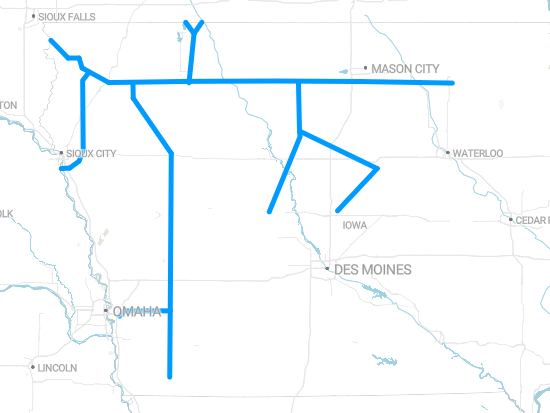
Source: Summit Carbon Solutions  Created with Datawrapper

Recognition that there is no way out of this crisis without far-reaching, social upheaval animates the proposals put forward in The Red Deal: Indigenous Action to Save Our EarthThe short book was authored by activists from The Red Nation, a coalition devoted to Indigenous liberation and made up of Native and non-native revolutionaries based mainly in North America.

The authors make clear that they believe the campaign to halt climate change and repair ecological destruction is bound up with the fate of the world’s Indigenous peoples. They say bluntly that “there is no hope for restoring the planet’s fragile and dying ecosystems without Indigenous liberation” and that “it’s decolonization or extinction.”

No Hope for Earth without Indigenous Liberation by Simon Butler, originally published by Climate and Capitalism
August 27, 2021

#LANDBACK

It’s decolonization or extinction. And that starts with land back.

I’ve often written about my inability to convince people why we need to reject the systems of capitalism and endless economic growth. Emblematic of that is nearly fifty years I’ve lived without a car, hoping others might give up theirs, too. I’ve prayed and written so much about protecting Mother Earth for years, with little or no success. Either I was going about this wrong, or no one was listening, or both.

For the past year I’ve been blessed to become part of a local Mutual Aid community. And learning much about the concepts of LANDBACK. I’ve been putting what I’ve been learning on my website, LANDBack Friends, because my native friends tell me teaching white people about those concepts is one of the best ways for white allies to help them. https://landbackfriends.com/

The following statement applies to the land called the United States, as well as Canada.

Canada maintains the same antiquated, paternalistic attitude towards our peoples that sanctioned residential schools and the pass system—they act as if they know what’s best for us. Our rights, our knowledge and values are not included or taken seriously and we are a mere afterthought when our lands are on fire, our communities are evacuating, and as we watch our futures going up in smoke.

Indigenous rights are a counterforce to the climate crisis. Colonialism caused climate change. Indigenous rights are a solution by Eriel Deranger, The Breach, July 30, 2021

As heat and severe weather records are broken again and again, it should be clear by now that there is no limit for capital. There will be no scientific warning or dire catastrophe that leads to a political breakthrough. No huge wildfire, terrible drought or great flood will make governments and corporations change course. To carry on as they are means extinction. And yet they still carry on: more fossil fuels and fewer trees, more pollution and fewer species.

Recognition that there is no way out of this crisis without far-reaching, social upheaval animates the proposals put forward in The Red Deal: Indigenous Action to Save Our EarthThe short book was authored by activists from The Red Nation, a coalition devoted to Indigenous liberation and made up of Native and non-native revolutionaries based mainly in North America.

The authors make clear that they believe the campaign to halt climate change and repair ecological destruction is bound up with the fate of the world’s Indigenous peoples. They say bluntly that “there is no hope for restoring the planet’s fragile and dying ecosystems without Indigenous liberation” and that “it’s decolonization or extinction.”

No Hope for Earth without Indigenous Liberation by Simon Butler, originally published by Climate and Capitalism
August 27, 2021

there is no hope for restoring the planet’s fragile and dying ecosystems without Indigenous liberation

The Red Nation

For us, it’s a larger social problem of underdevelopment. Colonialism has deprived Indigenous people, and all people who are affected by it, of the means to develop according to our needs, principles, and values. It begins with the land. We have been made “Indians” only because we have the most precious commodity to the settler states: land. Vigilante, cop, and soldier often stand between us, our connections to the land, and justice. “Land back” strikes fear in the heart of the settler. But as we show here, it’s the soundest environmental policy for a planet teetering on the brink of total ecological collapse. The path forward is simple: it’s decolonization or extinction. And that starts with land back.

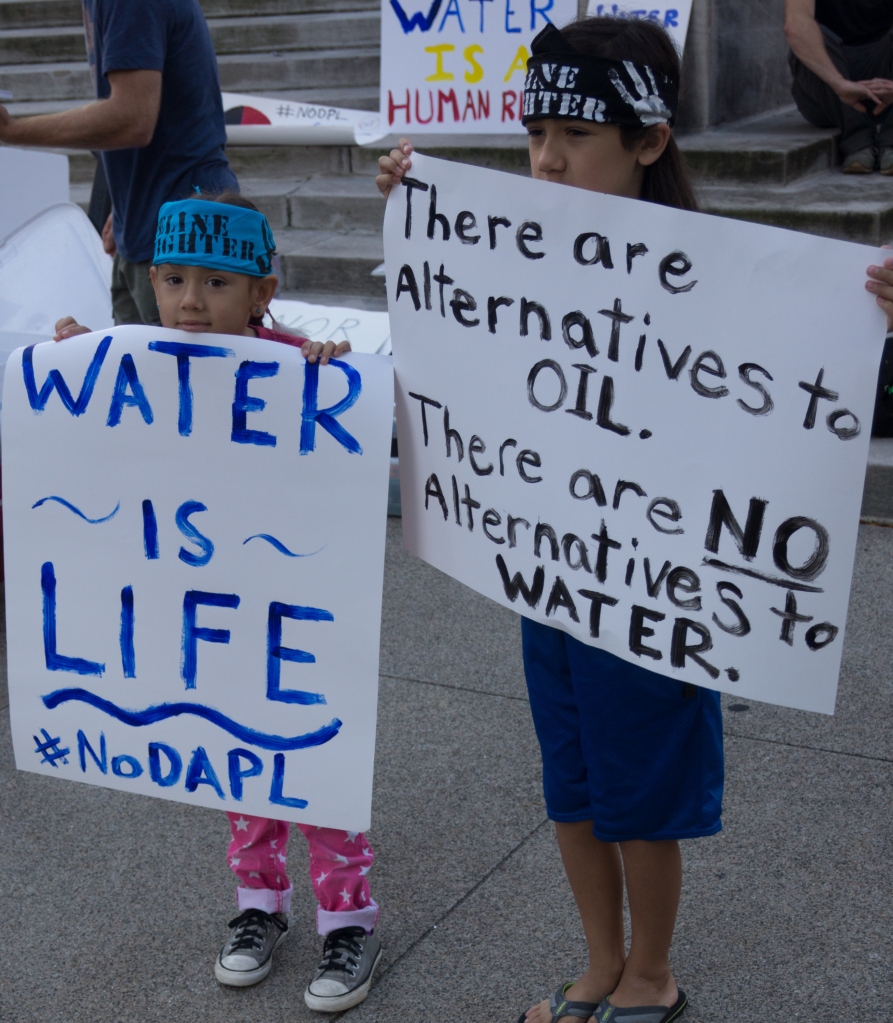
Each movement rises against colonial and corporate extractive projects. But what’s often downplayed is the revolutionary potency of what Indigenous resistance stands for: caretaking and creating just relations between human and other-than-human worlds on a planet thoroughly devastated by capitalism. The image of the water protector and the slogan “Water is Life!” are catalysts of this generation’s climate justice movement. Both are political positions grounded in decolonization—a project that isn’t exclusively about the Indigenous. Anyone who walked through the gates of prayer camps at Standing Rock, regardless of whether they were Indigenous or not, became a water protector. Each carried the embers of that revolutionary potential back to their home communities. Water protectors were on the frontlines of distributing mutual aid to communities in need throughout the pandemic. Water protectors were in the streets of Seattle, Portland, Minneapolis, Albuquerque, and many other cities in the summer of 2020 as police stations burned and monuments to genocide collapsed. The state responds to water protectors—those who care for and defend life—with an endless barrage of batons, felonies, shackles, and chemical weapons. If they weren’t before, our eyes are now open: the police and the military, driven by settler and imperialist rage, are holding back the climate justice movement.

The Red Deal: Indigenous Action to Save Our Earth by The Red Nation

But what’s often downplayed is the revolutionary potency of what Indigenous resistance stands for: caretaking and creating just relations between human and other-than-human worlds on a planet thoroughly devastated by capitalism

The Red Nation

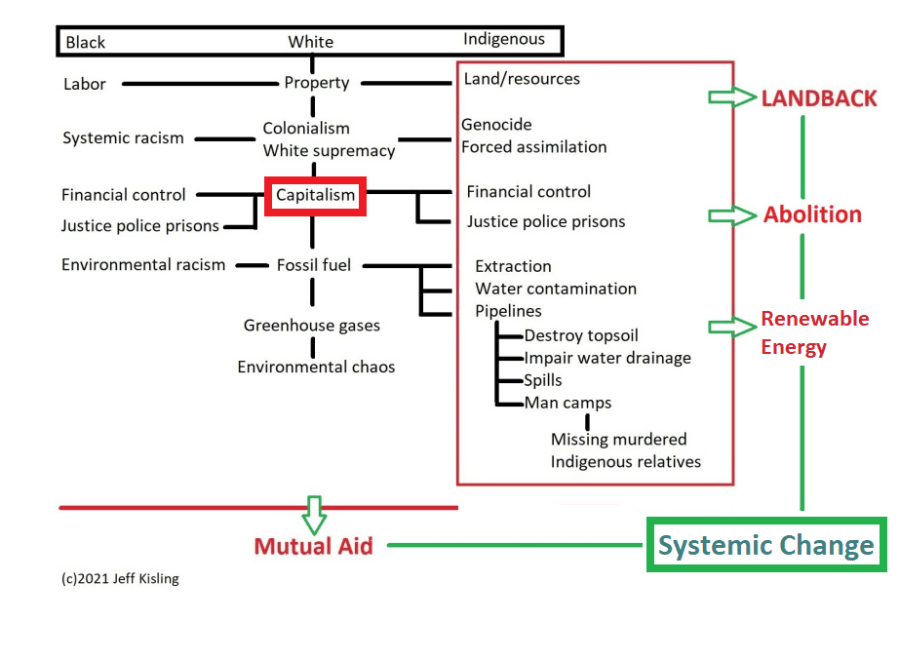
I’ve been working on this diagram for over a year. It’s changed a great deal from the original. I’ve been learning about the concepts of Mutual Aid and LandBack by spending each Saturday morning putting together boxes of food for those in need. It takes awhile to adapt to working with a flat hierarchy of interactions. Nearly every structure we use in the capitalist system is based upon vertical hierarchies. Someone above telling us what to do.

As I’ve learned more about these concepts, it becomes increasingly clear capitalism is a root cause of our environmental chaos. And Mutual Aid and Indigenous leadership are ways to mitigate the increasing damages that are undoubtedly coming.

It’s decolonization or extinction. And that starts with land back.

May these steps be steps of prayer

Recent posts have been about “Treaties not Tar Sands” and the Treaty People Walk for Water. Walkers arrived at the Minnesota Capitol grounds Wednesday, ending a 256 mile walk from the Mississippi headwaters, an effort to draw attention to the state-approved Enbridge Line 3 pipeline.

Camp Migizi leader and Fon Du Lac Band member Taysha Martineau and Standing Rock Elder Sonny Wonase address 2,000 pipeline opponents gathered for the “Treaties not Tar Sands” rally at the Minnesota State Capitol on Aug. 25th, 2021.

It is time that all the people of the earth come together and every step that you walk on this earth, may these steps be steps of prayer. Steps of prayer put feet on the ground, put prayer with every step you take. The fight isn’t over yet.

Sonny Wonase

Police presence was as strong as ever, including a fence meant to wall state officials off from our prayerful ceremony and pleas for justice. As you can probably guess, that didn’t deter water protectors. At the end of the rally, my fellow organizers read a statement of demands criticizing Governor Tim Walz’s support of the pipeline and militarized response. We also continued to call on President Joe Biden to intervene.

Until we’re heard and acknowledged, we will not be silent. We will not stop taking direct action to end this invasion of our sacred lands and protect our water and manoomin (wild rice). We are carrying forward the tradition of Indigenous activism begun by the American Indian Movement in the 1960s and renewed at Standing Rock five years ago. I express my gratitude to Standing Rock for standing with us now — and to you for holding space with us and Mother Earth. If we come together across our traditional boundaries, if we act with a unified voice and spirit, we can win this fight.

Taysha Martineau

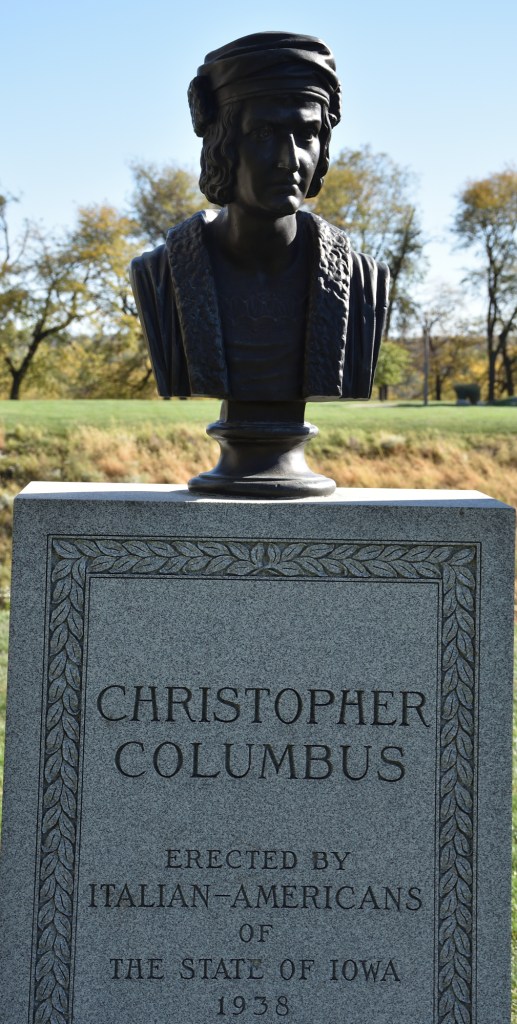
Yesterday’s post was about the heavy police presence at the Capitol. According to Native News Online, “in anticipation of the demonstration, Minnesota State troopers barricaded all roadways into the Capitol grounds. Fearing damage to monuments near the capitol, as when a Christopher Columbus statue was taken down by protesters last summer, all statues were fenced in and guarded by law enforcement.”

In the evening, demonstrators announced they will occupy the Minnesota Capitol grounds overnight and began pitching tents on the lawn. However, Minnesota State Troopers ordered demonstrators to remove the tents and allowed people to occupy the permitted tipis on the lawn.

‘Treaties Not Tar Sands’ Rally Convenes at Minnesota State Capitol, by Darren Thompson, Native News Online, August 26, 2021
https://youtu.be/YIkTBCvpToM

This is a powerful livestream video of the Water Walkers, in silence, arriving at the Minnesota State Capitol Wednesday.

I can’t help but reflect on how different this peaceful, prayerful walk compares to the insurrection at the U.S. Capitol on January 6, 2021.

#StopLine3
#HonorTheTreaties
#WaterIsLife

State of Intimidation

Yesterday’s article was about ‘Treaties Not Tar Sands’ which summarized the Treaty People Walk for Water. Walkers arrived at the Minnesota Capitol grounds yesterday, ending a 200+ mile walk from the Mississippi headwaters, an effort to draw attention to the state-approved Enbridge Line 3 pipeline. Isn’t it ironic that Enbridge says Line 3 is needed to replace the old pipeline because it isn’t safe any longer?

It is disheartening but unsurprising to hear about the large police response to the peaceful gathering of water protectors. Despite their unconstitutionality, many laws have been passed to criminalize protest. Felony penalties for damage to ‘critical infrastructure’ such as pipelines.

In Iowa last year several activists were banned from the grounds of the Iowa State Capitol because of their participation in rallies against police violence, ironically. That ban was later declared illegal.

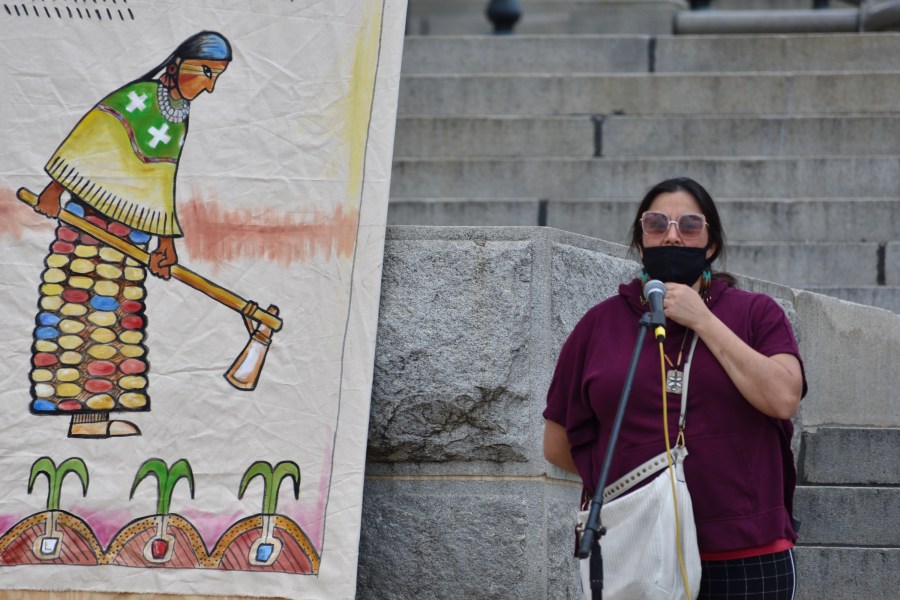
Renee Keezer speaks to the crowd at Wednesday’s ‘Treaties Not Tar Sands’ rally.

What’s wrong with this picture? It implies a significant and violent threat where there was none.

The ‘Treaties Not Tar Sands’ rally at the Capitol Wednesday drew 1,000 to 2,000 people. It was a beautiful and powerful event. I will write more about it in the coming days. It deserves more attention.

Tonight, I’m focusing on law enforcement’s massive and intimidating response — and how rally-goers responded.

At one point I counted 33 officers on or near the front steps of the Capitol. And there were many others spread out around the Capitol complex.

The question is: Why is it when large numbers of black and brown people show up for some event, law enforcement feels compelled to use a show of force?

Given all the racial tensions around policing, law enforcement had to know this approach was bad optics. It did it anyway. That means law enforcement either had little concern about making people feel unwelcome, scared, and/or angry, or in fact that was the intention.

Arriving at the Capitol on Tuesday, I was surprised to see two law enforcement officers guarding the Capitol’s west wing. It was barricaded and fenced. No one was anywhere near this entrance. Yet there they were.

Later Tuesday, law enforcement brought in more concrete barricades. I’m curious what those barricades accomplished, as they are easy to hop over. Was law enforcement worried people would try to drive their cars or pick-up trucks up the stairs? The streets already were blocked.

That concrete represents a lot of fear.

Water protectors are used to dealing with police who view them as criminals. Law enforcement was present at Enbridge construction sites up north because Enbridge was paying them to be there as private security.

This ubiquitous police presence is a form of violence. It intimidates. It undermines people’s sense of safety and belonging. It sends the message that law enforcement thinks you’re dangerous.

State of Intimidation: Minnesota law enforcement’s in-your-face approach to ‘Treaties Not Tar Sands’ rally, Healing Minnesota Stories, August 26, 2021

#TreatiesNotTarSands

Treaties Not Tar Sands

Protecting water from fossil fuel pipeline projects is an example of #LANDBACK. There is the devastation of the earth and water during extraction of fossil fuels, pipeline construction, and when the pipelines leak. The tons of carbon dioxide that will be added to our atmosphere when that fuel is burned. The acidification of the oceans as the water attempts to absorb some of the carbon dioxide from the air.

There is growing recognition among white people that Native peoples should lead efforts to protect Mother Earth. Indigenous peoples world wide have lived in sustainable ways for centuries. And Indigenous peoples have treaty rights to preserve many of their connections to the lands, including access for fishing and growing rice. Treaties that have all been broken, but remain in effect.

Now, helping to lead opposition to the Line 3 pipeline extension in Minnesota, (Tara) Houska says she’s become a firm believer in a “holistic approach to land protection.”

“I’ve also become more firm in my position that as the holders of the last remaining biodiversity on planet Earth, the need to center and uphold tribal sovereignty and indigenous rights, specifically indigenous land rights, is absolutely critical towards any sort of solution there could be involving climate,” she told The Hill in a phone interview from the frontlines of the protests.

Battles over pipelines, she said, are representative of larger tribal environmental struggles, but are a particularly salient issue because of “the immediate localized harms of both spills and degradation to ecosystems through the construction, and harms to the people in the communities by way of manned camps and the influx of out-of-state workers into an area.”

‘The land is us’ — Tribal activist turns from Keystone XL to Line 3 by Zack Budryk, The Hill, 8/1/2021
Water Walkers Headed to Minnesota Capitol
Water Walkers headed for the Capitol: Why They Walk

From Monday, August 23 through Thursday, August 26, water protectors will hold space at the Minnesota State Capitol — with a great big gathering (all welcome!) on Wednesday the 25th to welcome the Treaty People Walk for Water as they reach the end of their 256 mile journey.

Enbridge is racing to complete Line 3, and aims to finish construction and have oil flowing by the end of the year. Our governor and state agencies have failed us — and we need President Biden to step up and ensure that treaties are upheld. Starting on Monday the 23rd, Indigenous grandmothers from White Earth plan to hold ceremony space on the Capitol lawn, along with a powerful visual display of resistance by artist Rory Wakemup. Everyone is welcome to come by between the 10am opening to 5pm closing of the ceremony space each day. Join for lunch and stay for morning and afternoon talking circles to deepen knowledge and build community.

ON AUGUST 25, ALL ARE INVITED TO GATHER for a huge day of ceremony, solidarity, and action to stop Line 3! Since August 7, water protectors have been traveling on foot 256 miles from Line 3’s upstream Mississippi River crossing to St. Paul. They will arrive on the 25th and we need to be there to welcome them! Along with elected officials and community leaders, we will call for action and make ourselves heard. Some may choose to hold space for as long as it takes — if this is you, come with what you need to stay, such as a tent.

SCHEDULE:- Aug 23-26: ceremony, talking circles; opening 10am and closing 5pm daily. Come learn, share, build community.
– August 25 at 12pm: Folks are welcome to join the walkers outside the Martin Luther King Rec Center between noon and 1:00pm on Aug 25th (where they will be having lunch), then to walk with them for the last 1.5 miles to the capitol (arriving around 2)
– Aug 25 at 2pm: big welcome gathering for walkers w/ rally & speakers & food! Some people may choose to hold space past 5pm in the evening and into the 26th.Our state leaders have had years to take action but have sat back — and worse, Gov. Walz has directed state agencies to expedite construction. Principles of free, prior, and informed consent with the Anishinaabe have not been upheld. Given their unwillingness to stop the pipeline, we need President Biden to step in and direct the Army Corps to cancel this pipeline’s permits. This pipeline directly violates treaties, preventing Anishinaabe communities from exercising their guaranteed rights to hunt, fish and engage in cultural practices. It’s also a climate disaster and a carbon bomb, threatening to release as much greenhouse gas emissions as 50 coal plants at a time when the newest IPCC report shows we don’t have time to spare. Multiple pending legal cases against the project deserve to be heard. It’s time to act.

We will have more details to come, and encourage you to keep checking back for information! The time is now to #StopLine3.RSVP on our website – treatiesnottarsands.com

Minnesota is the Land of 10,000 contradictions around racial equity.

Gov. Tim Walz issued an executive order in 2019 committing the state to meaningful consultation with Native Nations. He followed that up by allowing Enbridge to build its Line 3 tar sands pipeline over strong tribal opposition with little or no consultation.

The Minnesota Pollution Control Agency (MPCA) has touted its racial justice framework. When the agency approved permits for Enbridge Line 3, a majority of its Environmental Justice Working Group resigned, writing: “… we cannot continue to legitimize and provide cover for the MPCA’s war on black and brown people.”

Native grandmothers, water protectors, and their allies are not letting up. They have set up camp on the Capitol lawn as a sign both of their ongoing resistance to Line 3 and their long-standing commitment to uphold treaty rights.

The state has responded with fear: erecting fencing around the Capitol and sending a heavy police presence.

The ‘Treaties Not Tar Sands’ encampment will remain until Thursday. Organizers are planning a ceremony for 10 a.m. Tuesday, with talking circles in the afternoon.

The major event is Wednesday at 2 p.m. when walkers arrive on the Capitol grounds, ending a 200+ mile walk from the Mississippi headwaters to the Capitol, an effort to draw attention to the travesty that is the state-approved Enbridge Line 3 pipeline.

Four-day ‘Treaties Not Tar Sands’ Encampment opens on the State Capitol Mall, Healing Minnesota Stories, August 24, 2021

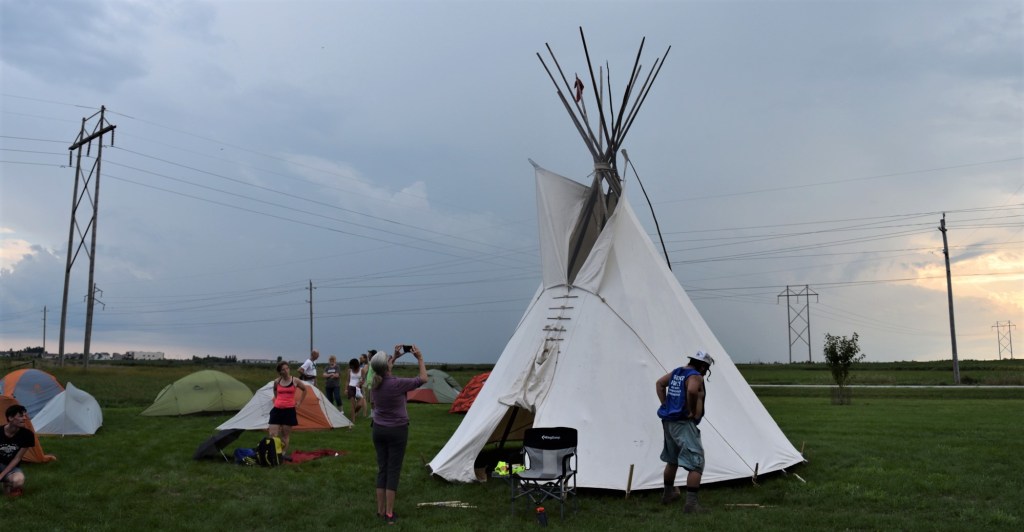
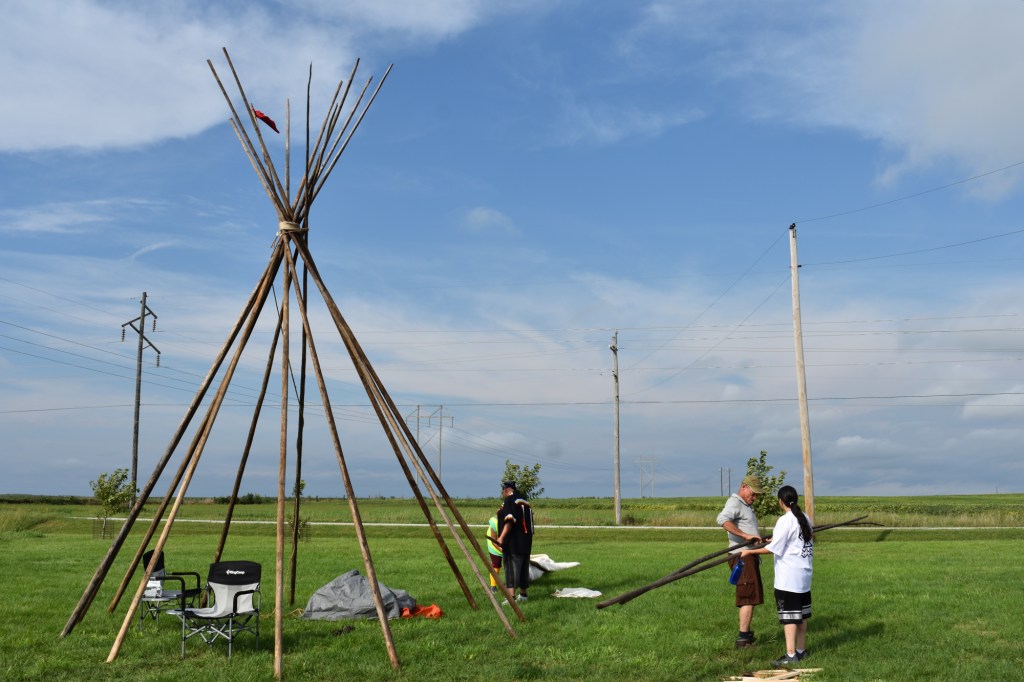
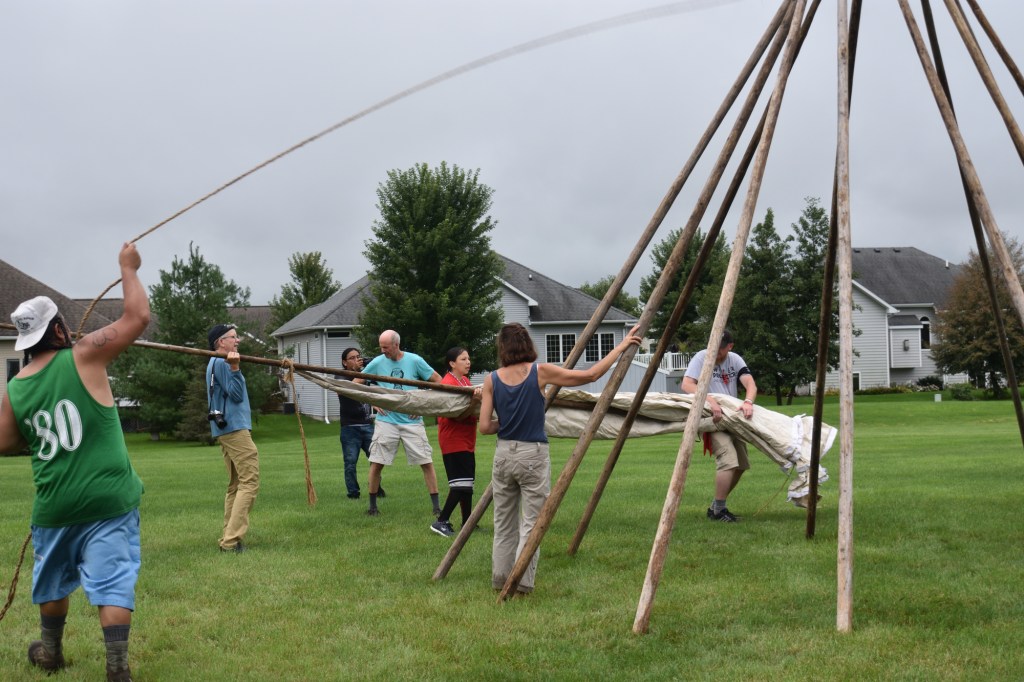
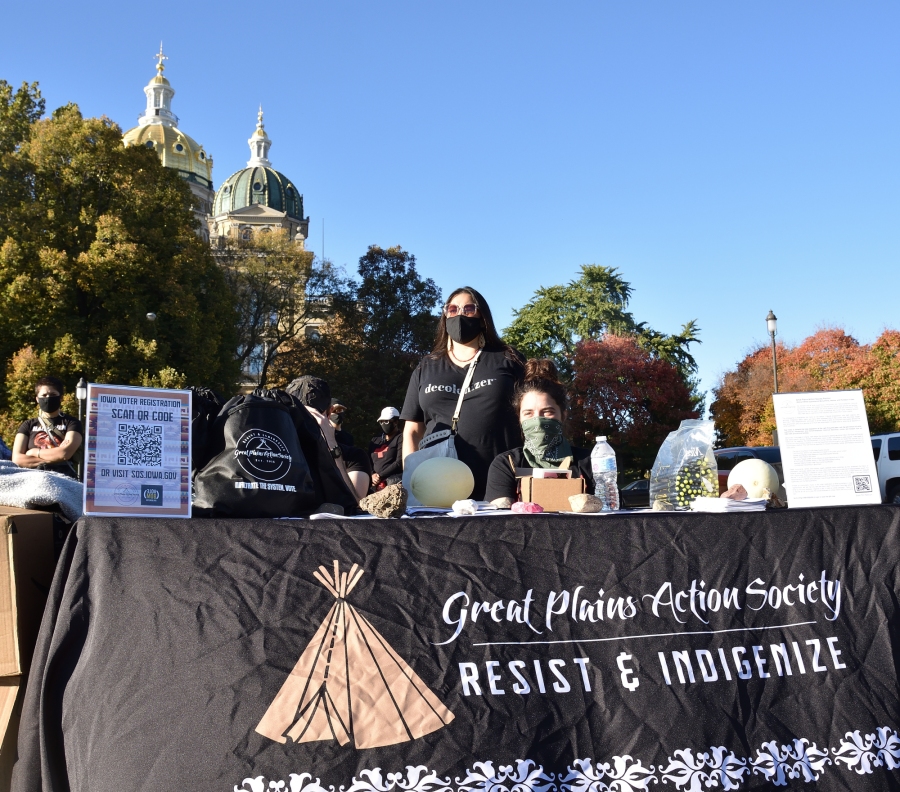
Included in the article above is a photo essay about the tepees that have been erected at the state capitol. Showing volunteers learning how to put up tepees.

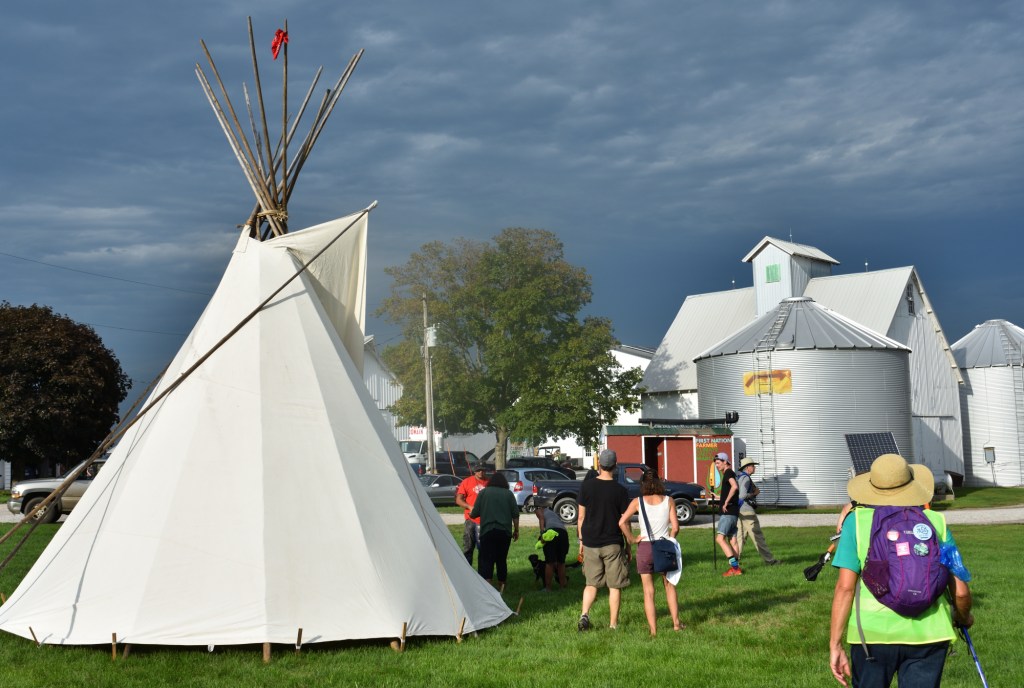
During the First Nation-Farmer Climate Unity March in 2018, a tepee was put up at most of our daily destinations. This video shows how the tepee was set up when we arrived in Ames, Iowa.


even Quakers if you can believe that

even Quakers if you can believe that“. I heard this from an Indigenous friend during a presentation about institutions of forced assimilation. This is damning for us Quakers. A jarring dichotomy of being viewed as leaders in the work for peace and justice and yet to have participated, continue to participate in the cultural genocide of Native peoples. Cultural genocide and oppression continue today.

A great deal has been said about white people making the best of a bad situation when native lands and peoples were overwhelmed by the flood of white settler colonists moving across the land. Saying it was in the best interest of the native children to be educated about the white world. When instead this intentional cruelty was intended to break the resistance of Native peoples who did not want to give up their lands. And it was successful.

Unless there is documentation, or oral history, we don’t know what a given individual, perhaps one of our ancestors, might have done in these institutions. Additionally, there are so many ways we ourselves have failed our children and future generations. The extinction of millions of species will eventually include human beings.

But none of that excuses the idea that white people are somehow superior. That is diametrically opposed to the idea that there is that of God in every person and thing. A shameful legacy of oppression of black, Indigenous and other people of color (BIPOC) that continues.

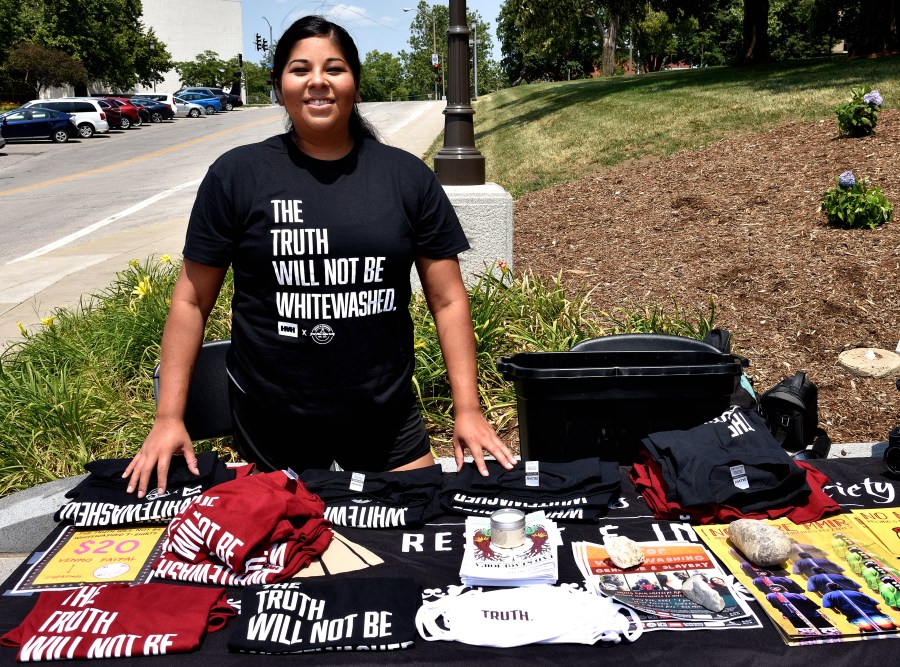
My friend Sikowis and her cousin Janna Pratt gave a Zoom presentation about Native American Boarding School Violence & Whitewashed History as part of the Women’s International League for Peace and Freedom 34th Triennial Congress.

Janna Pratt and Sikowis Nobiss are cousins and both citizens of the George Gordon First Nation and will discuss the rape, torture, and murder of Indigenous children in Canada and the US due to boarding school / residential school policy in the US and Canada and the silence behind the Indigenous genocide on Turtle Island. Janna lives in Saskatchewan, Canada and Sikowis lives in Iowa, USA. They will also delve into the work they are doing to overcome historical trauma and combat the erasure of this crisis by white supremacist governments.

She (Sikowis )is also a speaker, writer, and artist and believes that environmental and social justice work are inextricably linked and change will only happen when we dismantle corrupt colonial-capitalist systems and rebuild them with a decolonized worldview.

With the recent discoveries of children who perished while attending Indian residential schools, her (Janna) sights are now set on finding the children. Janna is a 4th generation residential school survivor and has lived through the decimation of culture these schools forced upon children, built under a policy enforced by the Canadian government to inflict cultural genocide. Janna is currently working on an archive that will gather information on residential schools, Missing and Murdered Indigenous Peoples, and veteran information to build resources for Indigenous communities. She hopes to inspire other projects with this knowledge and create Indigenous virtual reality experiences that are accessible no matter the distance.

They made the connections between Native children violently removed from their families, many times never to return, to the current epidemic of violence against Native women, to Missing and murdered Indigenous relatives (MMIR). The forced removal of Native children continues to this day, by social service agencies.

One of the topics of the presentation was the silence behind the Indigenous genocide on Turtle Island. Will we break this silence?

As Sikowis says, change will only happen when we dismantle corrupt colonial-capitalist systems and rebuild them with a decolonized worldview.

This means we must move away from the colonial capitalist system. Seriously! The concepts of LANDBACK are about how to do that. For the past several months I’ve been building the website LANDBACK Friends to help with education about these ideas. https://landbackfriends.com/

I hope you will join us, to find ways to break the silence behind Indigenous genocide.

https://landbackfriends.com/

One of the topics of the presentation was the silence behind the Indigenous genocide on Turtle Island. Will we break this silence?

Cultural erasure continues.

Before the South Dakota Department of Education released a draft of new social studies standards last week, department officials took out more than a dozen references to education on the Oceti Sakowin.

“Oceti Sakowin” refers collectively to the Lakota, Dakota and Nakota people who are indigenous to South Dakota and surrounding states.

Several of the standards on Oceti Sakowin were removed completely, including:

  • In kindergarten civics, discussing the meaning of kinship to the Oceti Sakowin Oyate.
  • In kindergarten geography, discussing the tribal nations of the Oceti Sakowin Oyate.
  • In first grade civics, identifying symbols of the Oceti Sakowin Oyate, including but not limited to star quilt, buffalo and medicine wheels.
  • In first grade geography, recognizing the nine contemporary reservations of the Oceti Sakowin Oyate on a South Dakota map.
  • In second grade civics, exploring the concepts of the Oceti Sakowin Oyate, including but not limited to tribal flags, celebrations (powwows), beadwork, dreamcatchers, music and artwork.
  • In second grade geography, identifying names and locations of Oceti Sakowin Oyate tribes within our communities and state.
  • In third grade civics, learning how to describe tribal organizational structures (council, chairman, etc.)
  • In third grade geography, researching the nine tribes in South Dakota
  • In fifth grade, standards for learning about tribal sovereignty in civics class and how natural resources and migration affected the lives and culture of the Oceti Sakowin were both removed completely.
  • In eighth grade history, examining major cultural traits and resiliency of the Oceti Sakowin Oyate throughout history
  • In eighth grade history, critiquing significant primary sources, including Oceti Sakowin Oyate treaties, and their impact on events of this time period.

In eighth grade civics, two grade-level standards on Indigenous topics were removed completely, including evaluating changing federal policy toward Indigenous Native Americans, and comparing and contrasting the structure of the U.S. government and sovereign tribal governments.

South Dakota DOE removed Indigenous topics from social studies standards before final draft by Morgan Matzen, Sioux Falls Argus Leader, August 10, 2021


Native American Boarding School Violence and Whitewashed History

I have been blessed to get to know and become friends with Sikowis (Christine Nobiss). Four years ago I heard her speak about building bridges with native peoples during Iowa Yearly Meeting (Conservative)’s annual sessions. In 2018 we walked and camped together for 94 miles, eight days, along the path of the Dakota Access pipeline in central Iowa. And have done many things together since.

Sikowis is a leading organizer on issues of Indigenous concern in the Midwest and nationally. This presentation will be an excellent opportunity to learn what she and Janna Pratt have to say about the atrocities of forced assimilation of native children.

wilpfus.org/34thcongress 11 am PDT

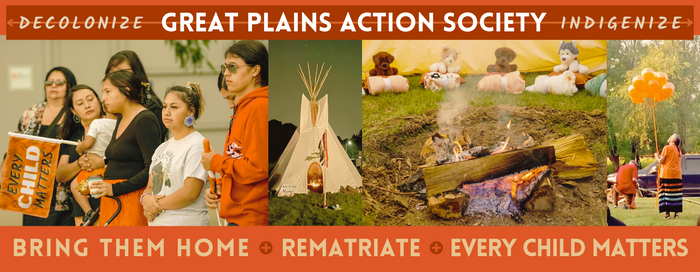
Sikowis (Christine Nobiss) is Plains Cree/Saulteaux of the George Gordon First Nation in Saskatchewan, Canada, and grew up in Winnipeg, Manitoba, Canada. At 19, she began her life’s work of uplifting Indigenous voices when she got her first job at the New Brunswick Aboriginal Peoples Council in Fredericton, Canada and now she is the Founder and Executive Director of Great Plains Action Society—a 100% Indigenous organization working towards climate and social justice. She is also a speaker, writer, and artist and believes that environmental and social justice work are inextricably linked and change will only happen when we dismantle corrupt colonial-capitalist systems and rebuild them with a decolonized worldview. Sikowis graduated from the University of Iowa with an MA in Religious Studies (with a focus on Native American Religion and Culture) and a Graduate Minor in American Indian Native Studies.

May be an image of 2 people and text that says 'WOMEN'SNTENTNAL LEAGUE FOR PEACE AND FREEDOM 34TH TRIENNIAL CONGRESS NATIVE AMERICAN BOARDING SCHOOL VIOLENCE & WHITEWASHED HISTORY Sikowis Nobiss George Gordon First Nation Great Plains Action Society Janna Pratt George Gordon First Nation MUSHOM Project SUNDAY, AUGUST 22 AT 11 AM PDT GO TO: WILPFUS.ORG/34THCONGRESS @GreatPlainsActionSociety MUSHOM Project'
wilpfus.org/34thcongress

Join Janna Pratt and Sikowis (Christine Nobiss) this Sunday, August 22 at 11 AM PDT for a presentation on Native American Bordering School Violence & Whitewashed History as part of the Women’s International LEAGUE for Peace and Freedom
34th Triennial Congress.

Janna Pratt and Sikowis Nobiss are cousins and both citizens of the George Gordon First Nation and will discuss the rape, torture, and murder of Indigenous children in Canada and the US due to boarding school / residential school policy in the US and Canada and the silence behind the Indigenous genocide on Turtle Island. Janna lives in Saskatchewan, Canada and Sikowis lives in Iowa, USA. They will also delve into the work they are doing to overcome historical trauma and combat the erasure of this crisis by white supremacist governments.

#everychildmatters
#WILPF
#greatplainsactionsociety
#MUSHOMproject

#everychildmatters
#WILPF
#greatplainsactionsociety
#MUSHOMproject

Ku Stevens’ Remembrance Run

Stories continue to emerge related to the remains of native children on the grounds of institutions of forced assimilation. Over 1,000 have been found on the grounds of several institutions in Canada so far. Searches are beginning in the land called the United States. Just last month nine children from the Carlisle boarding school in Pennsylvania were returned home. A number of my friends were involved in powerful ceremonies as the children’s’ caravan stopped in Sioux City, Iowa.

Following are stories related to forced assimilation and the Stewart Indian School in Nevada.

Stewart Indian School

First opened in 1890, Stewart Indian School was operated by the federal government for 90 years before it closed in 1980. Stewart and other boarding schools across the nation, were initially set up to forcefully educate Native American children in the late 1800s. This assimilation policy impacted thousands of Native students not only from the Great Basin tribal nations, but over 200 tribes over the school’s 90-year history.

Nevada Indian Commission

At the old (Stewart) school cemetery adjacent to the 240-acre campus, southwest of central Carson City, there are more than 170 marked graves. Those range in time from 1880, a year before the school existed, to the early 2000s. The marked gravesites include many with weathered, nearly-illegible headstones as well as easily-read marble markers and well-tended family plots. The wind-swept site on tribal land, protected by a fence and ringed with gnarled sagebrush, also encompasses an estimated 200 unmarked plots, whose occupants and dates of interment are a mystery.

Stewart Indian School’s 200 unmarked graves. ILLNESSES, ACCIDENTS AND EPIDEMICS TOOK THEIR TOLL ON NATIVE STUDENTS by Frank X. Mullen, Reno News and Review, August 15, 2021
Ku Stevens

When news broke of the mass graves found in Canada at residential schools earlier this year, one young cross country runner in Nevada thought of his own family.

Ku Stevens, Yerington Paiute Tribe, is 17, and a runner. His great grandfather Frank Quinn attended the Stewart Indian School in 1913. Quinn ran away three times.

He says he even felt his ancestors on his feet and he knows what he would say to his great grandfather if he was here today.

“Thanks for getting me this far because without him and the decisions he would have made to even run away from here, if he didn’t, I couldn’t possibly be here. Thanks for being a good man and wanting to be with your family and wanting to support them anyway you could. (Because) that’s family, you know, you would do anything for them,” Stevens said.

Retracing his ancestor’s boarding school escape. 17-year-old Ku Stevens honored his great-grandfather recently as part of a ‘Remembrance Run’ INDIAN COUNTRY TODAY, August 17, 2021

It’s about healing and bringing people together

Ku Stevens
Ku Stevens’ Remembrance Run

The discovery of hundreds of unmarked graves at tribal schools in Canada inspired a Native American teenager from Northern Nevada to recreate his great-grandfather’s escape from a similar school near Carson City.

Yerington Paiute tribal member Ku Stevens, one of the top prep cross-country runners in the state, plans to retrace the steps of his great-grandfather, Frank Quinn. He ran away from the Stewart Indian School three times, starting when he was 8.

Stevens had heard families stories about his great-grandfather his whole life but has grown to appreciate his courage.

“As of recently, I’ve kind of really understood the weight of what he had to do,” Stevens told State of Nevada, “and that’s why we’re trying to do this right now.”

The Yerington High School senior will honor his great-grandfather next month with a 50-mile run to bring awareness to the history of children being taken from families under a policy of forced assimilation of native peoples.

Teen Honors Great-Grandfather’s Escape From Tribal School by Bert Johnson, Nevada Public Radio, July 29, 2021
Ku Stevens, right, and his father Delmar Stevens, visit the Stewart Indian School in Carson City. The younger Stevens plans to run from the campus to Yerrington, recreating his great-grandfather’s efforts to escape the tribal school.

Thanks for getting me this far because without him and the decisions he would have made to even run away from here, if he didn’t, I couldn’t possibly be here. Thanks for being a good man and wanting to be with your family and wanting to support them anyway you could

Ku Stevens

Ku Stevens will not let history be forgotten.

Later this summer, the senior-to-be at Yerington High School plans to retrace his great-grandfather’s journey in escaping from the Stewart Indian School in Carson City.

He’s calling it: “The Remembrance Run.”

Stevens told the Reno Gazette Journal he was inspired earlier this year by the discovery of 215 children’s graves in Canada. The remains of the children were found on the grounds of the former Kamloops Indian Residential School.

The Stewart Indian School, which operated from about 1890 to 1980, was one of about 200 military-style boarding schools for native students nationwide.

Stevens’ great-grandfather, Frank Quinn, escaped from the Stewart Indian School and ran 50 miles when he was 8 years old to try to get back to his family home on the Yerington Paiute tribal reservation.

His route home went across the desert between Carson City and Yerington. He was returned to the school and escaped, again, three times in all.

Stevens’ great-grandmother Hazel, also a Paiute tribe member, was hidden by her family, who denied her existence when government officials came looking for her.

“It’s about remembering and education,” Stevens said. “Anybody can come out and run. It doesn’t matter what race you are. It’s about healing and bringing people together. It’s not just about remembering the segregation and the bad things of the past.”

Yerington teen to retrace escape from Stewart Indian School, Nevada Appeal, July 5, 2021
Stewart Indian School In Carson City To Be Included In Federal Probe

After nearly 1,000 unmarked graves were found at former Indian boarding schools in Canada, U.S. Interior Secretary Deb Haaland announced an initiative to study Indian schools here, including one just outside Carson City.

The former Stewart Indian School is now a state-run museum, but about half of the former campus, including its cemetery, was returned to the Washoe Tribe of Nevada and California. Officials with the Nevada Indian Commission announced earlier this month they were collecting information about the school so they would be ready to participate in the federal review.

Stacey Montooth, director of the commission, said the investigation is welcome but will touch a nerve in the state’s tribal community.

“To prepare for any questions that Secretary Haaland might have, I’ve met with elders and the burial committee from the Washoe Nation to try to get a sense of what they would like to see,” she said. “With permission from their leadership, I was able to go to the cemetery and we’re dealing with upwards of 200 unmarked graves.”

“The boarding schools were so impactful,” she told State of Nevada. “We had families that have never really ever been able to return to their traditional structure, nor have they been able to embrace modern-day America.”

Stewart Indian School In Carson City To Be Included In Federal Probe by Bert Johnson, Nevada Public Radio, July 14, 2021

Do we feel the tipping point first in our souls?

Apocalyptical scenes of floods and huge, ferocious fires dominate the news. Hundreds of square miles destroyed. Huge clouds of smoke stretch across the country. We feel hopeless, not only to control the devastation, but realizing this environmental chaos will only worsen.

Many long to return to normal, to leave this trauma behind. But those of us who live near to the land, who can feel its pulse, hear its secrets whispered in the trees, know that this is just another dream, that “normal” is now lost, a nostalgic memory. The pandemic has taught us about uncertainty, and the need to listen even more closely to the Earth, to sense her present imbalance. Despite all our computer models and plans for a future of green economic growth, we do not know where we are headed (or heading). Here on the coast there is no plan for living with the wildfires, except a prayer and a bag packed.

Meanwhile, in East Africa, the Somali pastoralists have already moved on, after watching their animals die in the years of drought. They’ve left the land they’d walked for centuries, moving into camps. They know that climate change brings hunger and migration, as they suffer the effects of our use of fossil fuels. They did not put carbon into the atmosphere. They are too poor to pollute. But they are among the first to suffer. Here our lives appear the same, food lines may grow, poverty increase, but for most of us our lives are not yet broken. But we can feel how something essential has changed, a barrier passed. Do we feel the tipping point first in our souls, before the fires and smoke turn the air red?

Will the fires and floods finally awaken us, turn our attention back to the living Earth? Or have we lost that connection, that place of belonging? How long before we are forced to wake from this nightmare of alienation? I used to imagine how Spring would come after the hard Winter of materialism, after all those years when we put profit before people, before the more-than-human world. Now, even amidst all the colors and sweetness, I know that this is not the real Spring I was waiting for, but just a moment of wonder, of magic, before the land becomes too dry. Before climate crisis creates a bleaker world. Before we too begin to be broken.

Fire Season by Llewellyn Vaughan-Lee, syndicated from Parabola, Aug 19, 2021

The fires of suffering become the light of consciousness.

Eckhart Tolle

But it is not hopeless.

People often mistake hope for a feeling, but it’s not. It’s a mental discipline, an attentional practice that you can learn. Like any such discipline, it’s work that takes time, which you fail at, succeed, improve, fail at again, and build over years inside yourself.

Hope isn’t just looking at the positive things in this world, or expecting the best. That’s a fragile kind of cheerfulness, something that breaks under the weight of a normal human life. To practice hope is to face hard truths, harder truths than you can face without the practice of hope. You can’t navigate dark places without a light, and hope is that light for humanity’s dark places. Hope lets you study environmental destruction, war, genocide, exploitative relations between peoples. It lets you look into the darkest parts of human history, and even the callous entropy of a universe hell bent on heat death no matter what we do. When you are disciplined in hope, you can face these things because you have learned to put them in context, you have learned to swallow joy and grief together, and wait for peace.

IT IS BITTER TEA THAT INVOLVES YOU SO: A SERMON ON HOPE by Quinn Norton, April 30, 2018

It is not hopeless as long as we have the wisdom, faith, courage to face hard truths. Sadly this wisdom is difficult to find today. As long as we try to hide from hard truths, we will be living in, paralyzed by fear.

The following is from the movie After Earth.

“Fear is not real. The only place that fear can exist is in our thoughts of the future. It is a product of our imagination, causing us to fear things that do not at present and may not ever exist. That is near insanity. Do not misunderstand me, danger is very real, but fear is a choice.”


I’m of the firm opinion that a system that was built by stolen bodies on stolen land for the benefit of a few is a system that is not repairable. It is operating as designed, and small changes (which are the result of huge efforts) to lessen the blow on those it was not designed for are merely half measures that can’t ever fully succeed.

So the question is now, where do we go from here? Do we continue to make incremental changes while the wealthy hoard more wealth and the climate crisis deepens, or do we do something drastic that has never been done before? Can we envision and create a world where a class war from above isn’t a reality anymore?”

Ronnie James

Can we envision and create a world where a class war from above isn’t a reality anymore? That quote from my friend Ronnie James captures what Mutual Aid is about. Rejecting vertical hierarchies of control and instead embracing a flat structure where everyone has a voice. Where we are learning, together, to vanquish fear and create a new world. Becoming dragon slayers.

The following quote has captured my imagination. That dragons represent fear. Fear is what we need to slay. To practice hope is to slay the dragons, to confront fear and move beyond it.


We will all become climate refugees

I recently wrote “we need to model how to build sustainable communities not only for climate refugees coming to the Midwest, but also for ourselves. When water no longer flows through the pipes, sewer systems fail and there is no electricity, we will all become climate refugees.Two difficult truths

Eventually, We Will All Be Climate Refugees by Dahr Jamail, TRUTHOUT, July 24, 2019, goes into great detail about the many environmental catastrophes that are increasingly resulting in climate refugees. Things have only gotten worse since that article was written.

Suffice it to say, all of us now, if we live long enough, are likely to become climate refugees at some point … whether it be from lack of food and water, rising seas, wildfires, smoke, or extreme weather events. For many, their time as climate refugees has already begun.

A survey of the last 30 days of scientific studies and extreme weather events shows us the driving force behind these displacements: the mounting climate crisis. An early July heatwave across Alaska found temperatures in the state literally rivaling those in Miami, Florida. Alaska saw its warmest June ever recorded, with the average temperature a stunning 5.3 degrees Fahrenheit (5.3°F) above the normal average for that month … for the entire state. That month was the 16th in a row when the average temperature in Alaska was above normal.

Meanwhile, staple crops in the U.S. Midwest have been taking a beating from runaway climate disruption impacts, such as repeated floods during the spring and scorching hot and dry summers. Because of the dramatic and record-setting flooding this spring, many farmers weren’t able to plant crops at all. Expect food price spikes to come this fall and beyond.

Further complicating matters, another report showed how ecosystems across the Great Plains have shifted 365 miles to the north since just 1970.

“Climate apartheid” will push a stunning 120 million more people into poverty in barely over a decade.

Eventually, We Will All Be Climate Refugees by Dahr Jamail, TRUTHOUT, July 24, 2019


Some Quaker resources

A Quaker Statement on Migration
This statement was developed by American Friends Service Committee, Britain Yearly Meeting, Friends Committee for National Legislation, Quaker Council for European Affairs, and Quaker United Nations Office. It draws on their Quaker foundations and work with migrants and on migration.

Friends Committee on National Legislation Immigrants and refugees

American Friends Service Committee Refugee Assistance Case Files
Consists of more than 20,000 case files created and maintained by staff and volunteers with the American Friends Service Committee (AFSC), a Quaker relief and rescue organization.

Quaker Asylum and Refugee Network (QARN)
In the UK, the Quaker Asylum and Refugee Network, (QARN) works to ensure that justice and compassion are the guiding principles in the treatment of refugees and asylum seekers