
I used to go to Washington, DC, annually to attend meetings of Friends Committee on National Legislation (FCNL). I looked forward to taking photos there.


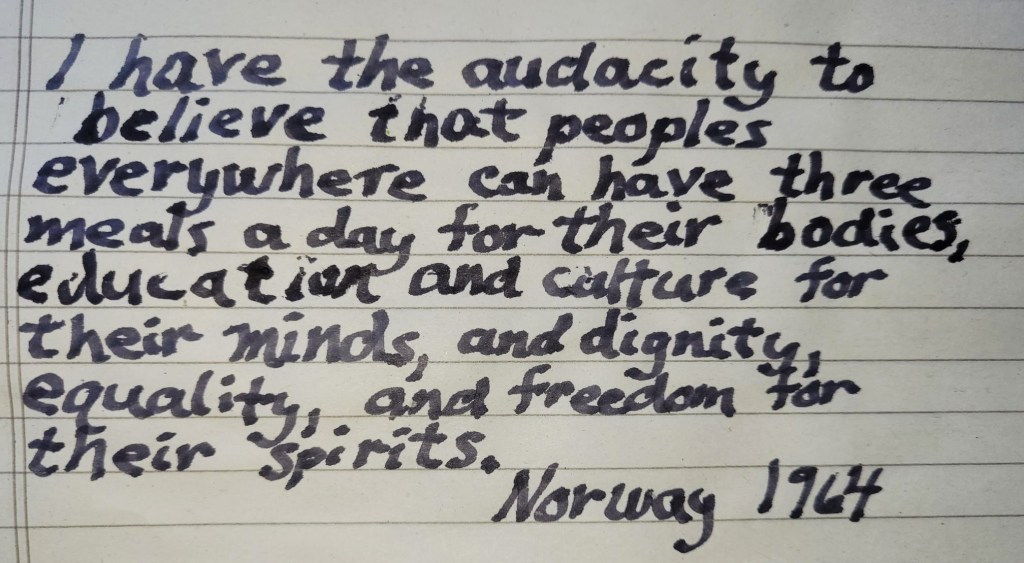
I used to go to Washington, DC, annually to attend meetings of Friends Committee on National Legislation (FCNL). I looked forward to taking photos there.

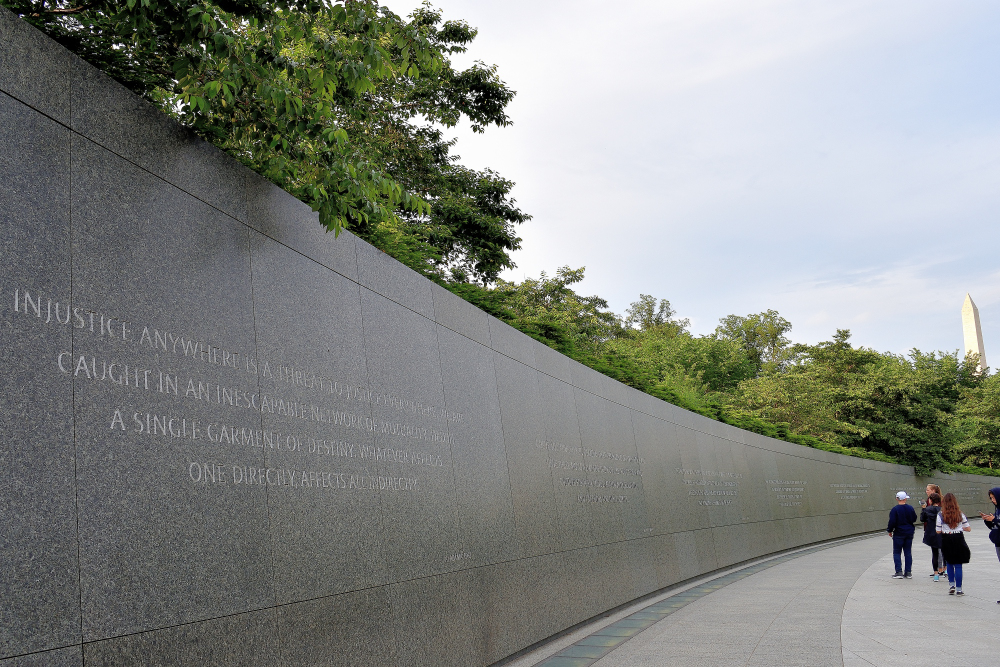


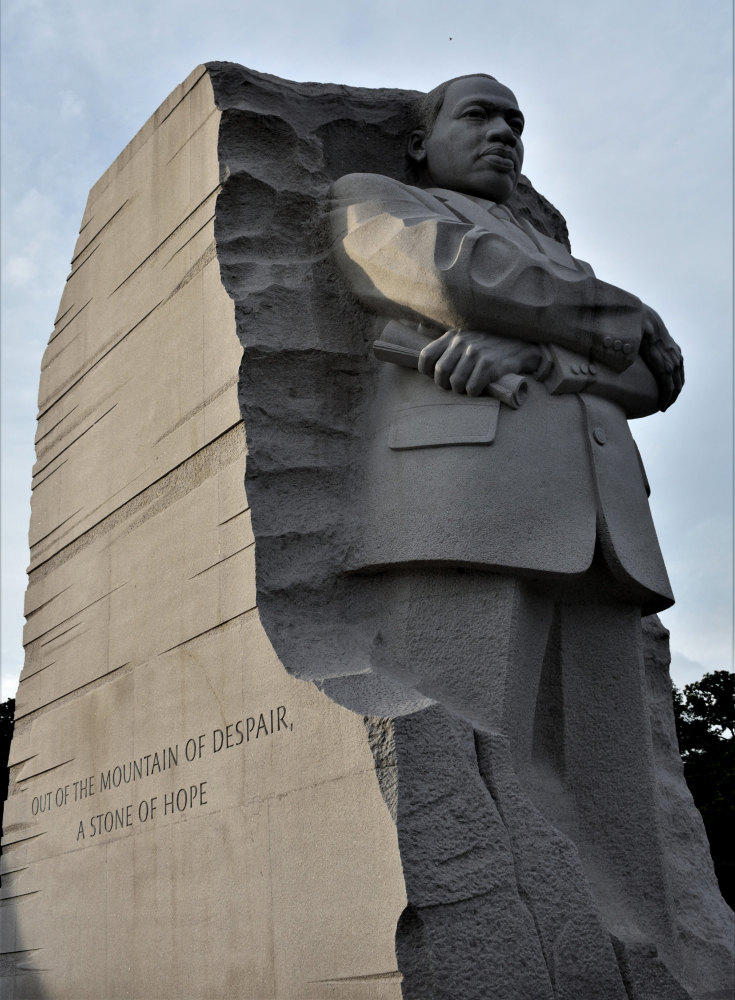

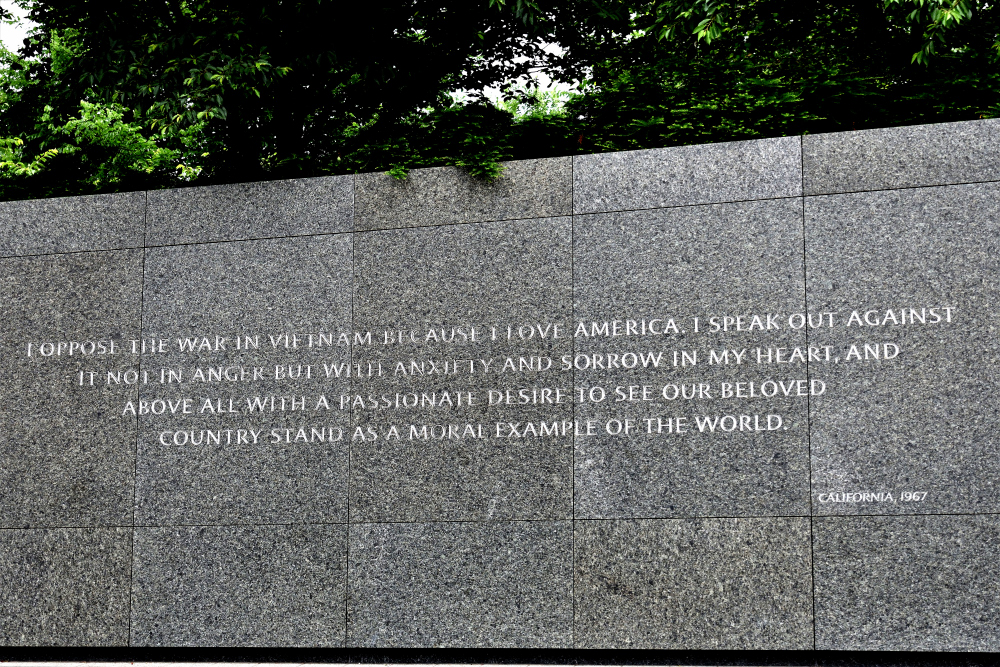


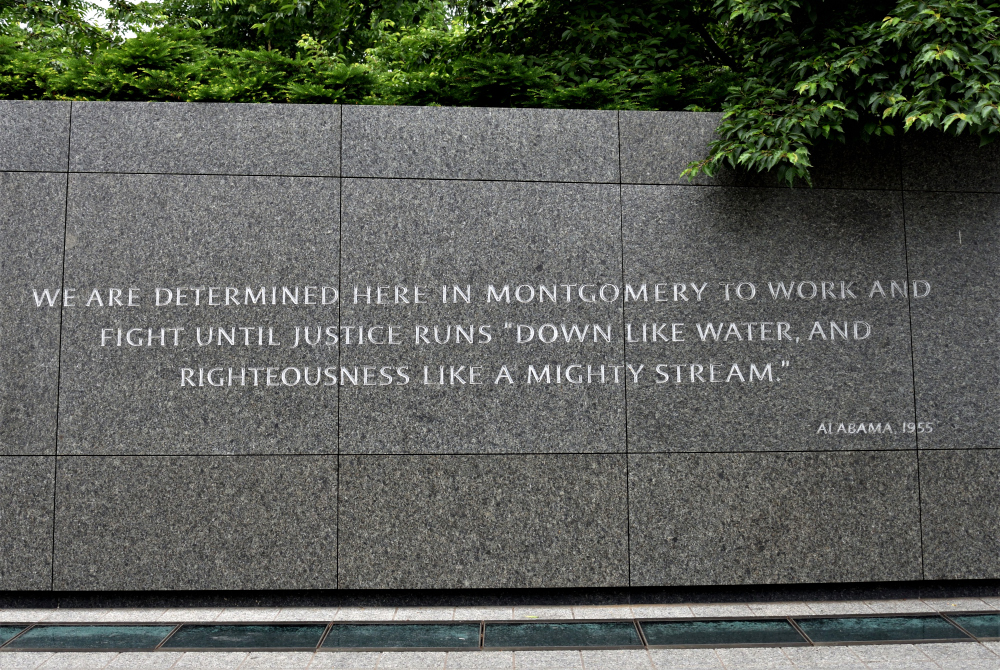
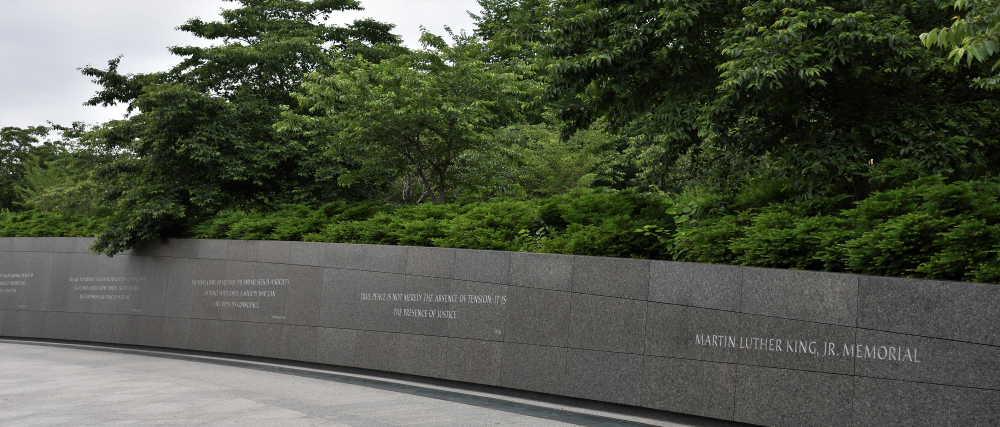
The video below was recorded from last night’s online meeting about the Racist Rise to Ban Anti-Racist Books, Confronting white supremacy in the Johnston School District.
Of all the awful things that have been occurring over the last several years, banning books is the worst, so far, for me as a white person. At Scattergood Friends School we were taught to be lifelong learners. I not only enjoy reading, but that is how I learn about what is going on in the world. Learn about injustice and how others are working for justice.
But there is more to this for black, Indigenous, and other people of color (BIPOC). Rising authoritarianism, increasingly aggressive and militarized policing, voter suppression, and actions such as banning books are all efforts to perpetuate racism and white supremacy.
Education is one of the most important ways to call attention to racism and to help white people learn ways to call it out. Calls to ban books and ban teaching of “critical race theory” are meant to prevent learning about racial injustice.
As is often the case, Johnston Community School District (JCSD) has equity as one of its strategic goals. But students, parents, and staff feel more unsafe and targeted than ever before. Hostility and violence towards students, parents, and staff of color have been increasing at the district as made evident by the many recent attacks on equity.
Things were particularly bad at the last JCSD school board meeting discussion about banning “The Hate You Give” and “Diaries of a Part-Time Indian”. A white person said several racist or homophobic words from those books out loud. Children were present. There was no context for saying them out loud, and to be spoken by a white person.
White people need to support these efforts to stop banning books and other racial incidents. School boards across the country are being weaponized to promote racism.
One of the principles of justice work is to not add to the burden of those experiencing injustice. Online discussions like last nights are great ways for white people to learn. I encourage you, especially if you are white, to take advantage of these opportunities.
The Racist Rise to Ban Anti-Racist Books.
Parents, students, and allies will gather online this Wednesday, December 15, 2021, at 7 PM CST to highlight a recent incidence of hate speech used at a board meeting and the inaction by Johnston Community School district administration and school board. The meeting largely revolved around the recent attempt by a few Johnston parents to ban the books “The Hate You Give” and “Diaries of a Part-Time Indian”, both written by BIPOC folks, which address oppression and racism in the US. There has been a rise in attempts to ban anti-racist books since 2020 when Trump tried to enact a federal ban on critical race theory. The recent state of racism and discrimination in Johnston will be discussed highlighting recent incidences that propagate racism and discrimination in the district and throughout the community.
Though the Johnston Community School District (JCSD) has equity as one of its strategic goals, students, parents, and staff feel more unsafe and targeted than ever before. Hostility and violence towards students, parents, and staff of color have been increasing at the district as made evident by the many recent attacks on equity. JCSD released a statement saying the district is continuing “to partner with parents and students to create an inclusive environment where everyone in our community has access to a high-quality educational experience” but students, parents, and staff are saying this is simply not happening. Students, parents, staff, and community members called for the district to interrupt hate speech including racist and homophobic slurs used by a parent at a recent school board meeting asking for the policy when individuals share such words. The superintendent and school board members did not stop this from happening and cited instead of the policy on public participation and did not seek to disrupt or disallow these words to be used during a school board meeting.
This event is hosted by: Johnston Parents for Equity and Anti-Racism (JPEAR) is a collective of parents organizing the Johnston Community School District (JCSD) to respond to the needs for equity and anti-racism in our schools and community.
Great Plains Action Society works to resist colonial-capitalist institutions and white supremacy through Indigenous ideologies and practices. Our goal is to reclaim what has been stolen and oppressed to create a better world for us all. Iowa Coalition for Collective Change specializes in empowering organizations and marginalized communities through education, research, and advocacy.

How do non-native people in this country reconcile the Thanksgiving holiday versus the National Day of Mourning, both occurring on the fourth Thursday of November?
When I try to engage White people about this, they say Thanksgiving is a time to gather with family and be thankful for all the good things in their lives. And don’t want to talk about the many negative consequences for Indigenous peoples that resulted from the arrival of White people.

Thanksgiving is a glaring example of White supremacy and privilege. White people can and do refuse to acknowledge the true history. “Repeating the holiday with no acknowledgement of the intolerance in its history feels delusional at best, if not actively perpetuating oppression.”
Searching for ways to write about this, I finally came upon the following blog posts that express my sentiments. The more recent says, “this year (2020), more than ever, healing is on my mind, and our national fractures run especially deep.” Both blog posts contain many suggestions for things we can do for acknowledgement and healing.
A lot has changed since my last post about this topic, four years ago. Much has certainly stayed the same, too…sparing you the full recap, suffice it to say that #BlackLivesMatter is now at the center of American political activism, and Leonard Peltier remains in prison. We’re teetering on the cliff of irreversible climate change with every passing hour of business-as-usual. Plus, a pandemic. The imperative to teach Thanksgiving as a holiday and to re-imagine it through anti-racist and decolonial lenses is even more ripe today than it was back in 2016.
Before I offer my updated action list, let me offer some timely big picture perspective: Thanksgiving has always been a holiday centered on healing. Lincoln created it to repair a semblance – even a myth – of healing a divided nation. This year, more than ever, healing is on my mind, and our national fractures run especially deep.
I offer these updated suggestions encourage healing – both personal and communal, in hopes they might go a little way toward improving the world.
10 MORE WAYS TO MAKE YOUR THANKSGIVING ABOUT SOCIAL AND ENVIRONMENTAL JUSTICE (2020 UPDATE) by Eve Bratman, October 4, 2020
I love that Thanksgiving is a food and gratitude centered holiday. But ever since reading about the actual people’s history of the holiday, I’m more sick to my stomach than excited about eating.
Sure, we’ve got a lot to be thankful for. We have our religious tolerance, our tradition of welcoming foreigners… ahhem… don’t we? The story of pilgrim-colonists setting foot into the New World does little to assuage my angst about our nation’s future, because it ignores a lot of the actual intolerance, conflict, and oppression that is deep within our history.
The short version of the real story of Thanksgiving is this: President Abraham Lincoln established the day as a national holiday in 1863. In his words, it was established as a day of “Thanksgiving and Praise to our beneficent Father who dwelleth in the Heavens,” but all paternalistic religiosity aside, let’s face it, something else was happening in 1863. A holiday based on a beneficent nationalist myth as our origin story helped smooth over deep divisions after the Civil War. Well beyond Squanto, the history actually involves conversion, smallpox, and having crops and land indelibly altered within the Colombian Exchange. Our social worlds and our ecological landscapes were indelibly marked by imperialism. Small wonder, then, that the fourth Thursday in November is marked by native peoples with a day of mourning and ceremony at Plymouth Rock.
Thanksgiving represents loss and genocide to many Native Americans, not bounty.
Let’s face it: white supremacy is actually deeply embedded in Thanksgiving. Funny I should mention those words, “white supremacy”, right? Didn’t we just this week read about people known to hold racist beliefs becoming nominated to the highest offices of our government? Our history has a lot to do with why – and how – it came to this. We haven’t yet come to terms with our nation’s racist and genocidal past, and even our textbooks barely teach this stuff.
I want to make this Thanksgiving more deeply anti-racist, ecologically rooted, and anti-imperialist. I don’t have all the answers, but I don’t want to be paralyzed, either. Repeating the holiday with no acknowledgement of the intolerance in its history feels delusional at best, if not actively perpetuating oppression.
TEN WAYS TO MAKE YOUR THANKSGIVING ABOUT SOCIAL AND ENVIRONMENTAL JUSTICE by Eve Bratman, November 23, 2016
 LANDBACK Friends