Resolve to be always beginning

Resolve to be always beginning — to be a beginner. –Rainer Maria Rilke

I’m hoping some Friends might consider Mutual Aid to be part of their new story this new year. Yesterday’s post was an introduction.

This is a link to a lot more information about my experiences with Mutual Aid. Mutual Aid in the Midwest

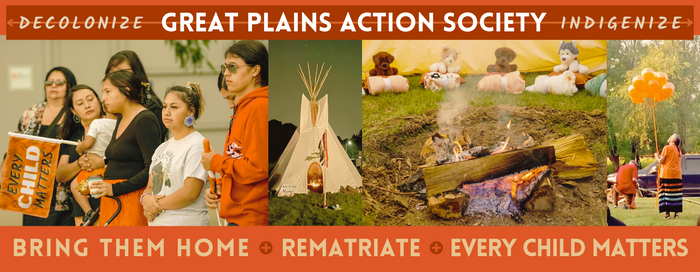
I realize I didn’t explain yesterday’s comment about friendships with native people. Indigenous peoples have always lived in ways that could be seen as Mutual Aid. And my good friend Ronnie James, an Indigenous organizer, has been my Mutual Aid mentor from the beginning of my experiences. This work is supported by the Great Plains Action Society that Ronnie is part of.

We are Indigenous Peoples of the Great Plains proactively working to resist and Indigenize colonial-capitalist institutions and behaviors. We defend the land where our ancestors lie and where the children walk. Our goal is to reclaim what has been stolen and oppressed to create a better world for us all.

Great Plains Action Society

New Year’s resolutions tend to be about wanting more of something we desire and/or less of something we do not, and while they surely have their noble side, they also often emanate from subtle and less subtle forms of perceived lack, scarcity, comparison, self-flagellation, and judgment. The “should” and “should not” messages we send ourselves when we make resolutions can be harsh and incriminating. These are qualities we may want to endeavor not to perpetuate and strengthen when we make our commitments this year.

How about making “the means more of the ends” by putting gratefulness rather than scarcity at the center of the resolutions we make this year? How about bringing a more gentle form of motivation, rooted in appreciation, celebration, and acceptance, to our goals? How about letting gratitude guide us?

Turn New Year’s Resolutions into Revelations by Kristi Nelson, syndicated from gratefulness.org, Jan 01, 2022

A Call for Quakers to Embrace Mutual Aid

I am writing to make the case for the adoption of Mutual Aid as a framework for Quaker justice work.

This comes from my perspective of a White, Quaker, male (he/him), settler on Ioway land, in the country called the United States. When I refer to Quakers here, I mean White Quakers. Black, Indigenous, and other people of color (BIPOC) Friends have completely different experiences related to white privilege and racism, for example.

My credentials include friendships with Native people here in the Midwest. And to have been part of a Mutual Aid community for the past two years. The following is from these lived experiences, which have excited me, shown me a different way to work for peace and justice.

There are three key elements of Mutual Aid.

  1. Mutual aid projects work to meet survival needs and build shared understanding about why people do not have what they need.
  2. Mutual aid projects mobilize people, expand solidarity, and build movements.
  3. Mutual Aid projects are participatory, solving problems through collective action rather than waiting for saviors.

    Mutual Aid, Building Solidarity during this Crisis (and the next) by Dean Spade, Verso, 2020


Mutual Aid is NOT charity. People often think of their financial support for a cause as aid. But that is not Mutual Aid. Charity involves an agency determining what the need is. Which too often is not what is needed. And has an implied hierarchy of the agency providing aid as superior to those who receive the aid. There are usually rules as to who qualifies for the aid.

Instead, Mutual Aid involves everyone in the community to work on problems that affect everyone. There is not a distinction between those who need help and those providing help. It is explicitly stated that anyone in the community might need help at some point. The whole community determines its needs and how to address those needs. Not a vertical hierarchy like “us helping them”.

Mutual Aid communities work to make sure no vertical hierarchy develops, implied or not. Vertical hierarchies mean some people are seen as superior in some way. Vertical hierarchies are about power. Which is the antithesis of mutuality.

Quakers and hierarchy

I hadn’t thought much about Quakers and vertical hierarchy before getting involved in Mutual Aid. But for example, we have yearly meeting clerks and yearly meeting committee clerks. Members of yearly meeting committees are appointed by local meetings, which might imply they have some superiority in those meetings. “Birthright” Friends are sometimes accorded privilege.

Often Quaker meetings make donations to peace and justice organizations, which is charity. Which usually doesn’t create a mutual relationship with those organizations or the people they serve.

For these reasons I think Quaker communities should embrace Mutual Aid. That would mean connecting with everyone in the neighborhood around the meeting. This is the concept of beloved community.  This might attract neighbors to become involved in the meeting. We would get a better idea of what we might work on together. This would be a way to speak to the spiritual condition of our communities.

This PDF has much more information about Quakers and Mutual Aid:
A Call for Quakers to Embrace Mutual Aid

Following is this year’s report of the Peace and Social Concerns Committee of Iowa Yearly Meeting (Conservative) which includes discussion of Mutual Aid.


Peace and Social Concerns Committee Report 2021
Iowa Yearly Meeting (Conservative)

This has been a year of great upheaval locally, nationally, and globally. The work of our monthly meetings has been impacted by the COVID-19 pandemic. Yet we have found ways to continue our peace and justice work. And had more time for prayer and reflection.

Global chaos from rapidly accelerating environmental devastation is highly likely to occur, breaking down our economic, social, and political systems. As air and water temperatures increase, water supplies are drying up. Widening areas and severity of drought are decreasing crop production and forcing people to flee. Rising oceans are creating more climate refugees. The trend of increasing numbers of more ferocious wildfires, hurricanes and other storms are expected to accelerate. All kinds of infrastructure will likely be destroyed, creating more climate refugees, many migrating to the Midwest. How can we prepare our own communities for these disasters, and plan for the arrival of climate refugees?

Justice work by White Friends has changed in recent years. An important concept of justice work is to follow the leadership of oppressed communities, who are working tirelessly for their liberation. Those who consider themselves White Friends are learning how to step back. Be supporters and allies.

Many injustices today trace their roots to the arrival of white Europeans on this continent. These include a whole history of enslavement as well as genocide of Indigenous peoples. It is important for white Quakers to know we are not expected to feel guilt or blame for injustices that occurred in the past. But knowing what we know now, it is up to us to learn more about those wrongs, and work toward repair and healing.  This will be a primary focus of this committee’s work in the coming year.

As a society we have been forced to face systemic racism. For example, public murders by police have generated sustained protests regarding police brutality, with calls to limit police powers and change or abolish prisons.

Also dating back to the arrival of white Europeans is the genocide of Indigenous peoples. The theft of Native lands. And the atrocities of Native children taken from their families to institutions of forced assimilation, often far away. Places where attempts were made to the erase their culture. Many subjected to physical or sexual abuse. Thousands of Native children died. This intentional cruelty broke the resistance of Native peoples who were trying to hold onto their lands.

The recent validation of the remains of Native children on the grounds of those institutions is having devastating effects in Native communities and those who care about them. Searching the grounds of the institutions in this country is about to begin. Secretary of the Interior, Deb Haaland, has launched a federal investigation into these institutions of forced assimilation in the US

 A number of Catholic churches, who ran those institutions in Canada, have been burned or vandalized.

There are renewed calls for truth and reconciliation. Canadian Yearly Meeting has done a great deal of work on this.

These injustices are some of the effects of systems of white supremacy. The concept of Mutual Aid is becoming an increasingly used model for communities working for justice. The idea is to have a horizontal hierarchy, where everyone has a voice. And work to ensure a vertical hierarchy does not develop. Without a vertical hierarchy, there can, by definition, be no superiority. Several of our meetings are supporting existing Mutual Aid communities or considering creating their own. These are opportunities to begin to disengage from the colonial capitalist system and white supremacy. Ways we can model justice in our own meetings and communities.

We can show up for Black Lives Matter and other racial justice events. We can support those who meet with local, state, and Federal government officials. We can show up in the streets to support agitation for change, train in nonviolent civil disobedience, or accompany arrested activists through the justice system.

We can show up, when appropriate, at events of Native peoples, such as the Prairie Awakening ceremony. We can share Indigenous news on social media platforms, so others are aware of these things.

Indigenous leaders in the Midwest have asked us to learn about and find ways to engage in the concepts of Land Back. The website LANDBack Friends has been created and will be updated as our work continues.  https://landbackfriends.com/

We pray for guidance for how our committee might work together at the intersection of our responsibilities and those of Ministry and Counsel.

We will continue to seek spiritual guidance, both for what we are called to do, and ways to offer spiritual support for those who are not Friends. There is great spiritual poverty in many communities. Spiritual support will be needed by those who suffer the consequences of environmental and other disasters. And those responding to these disasters.

It is important to understand this work depends on us all working together, in the community. Outside our meetinghouses. Developing friendships in the local community. We encourage more engagement with our youth. They can teach us about justice. We and our meetings will be revitalized.

Many monthly meetings are adapting to these changing ways of doing peace and justice work.  Building relationships with communities of black, Indigenous, and other people of color. Exploring ways to be in right relationship with these communities. All of us learning from each other. Sharing our stories. Deepening spiritual connections.

Jeff Kisling, clerk
Peace and Social Concerns Committee


New Year 2022

I’m concerned to see little progress toward solutions for the myriad of problems we face. Especially with accelerating environmental chaos. We’re paralyzed in the face of so many complex problems. Disheartened because nothing makes progress.

I contend that is because, as Albert Einstein said, “we cannot solve our problems with the same thinking we used when we created them.”

I am proposing we implement new ways to approach our justice work. And will ask our peace and social concerns committee to explore how to change our work from a committee structure to a Mutual Aid group. I’m interested to see how faith can be part of Mutual Aid.

This year’s Peace and Social Concerns Committee Report from my Quaker yearly meeting is included below. And this is a link to An Epistle to Friends Regarding Community, Mutual Aid and LANDBACK.

This diagram lists problems and solutions. LANDBACK, Abolition of police and prisons, Mutual Aid, resource conservation and spirituality. Adapted from the more detailed diagram at the end of this.


Peace and Social Concerns Committee Report 2021
Iowa Yearly Meeting (Conservative)

This has been a year of great upheaval locally, nationally, and globally. The work of our
monthly meetings has been impacted by the COVID-19 pandemic. Yet we have found
ways to continue our peace and justice work. And had more time for prayer and
reflection.

Global chaos from rapidly accelerating environmental devastation is highly likely to
occur, breaking down our economic, social, and political systems. As air and water
temperatures increase, water supplies are drying up. Widening areas and severity of
drought are decreasing crop production and forcing people to flee. Rising oceans are
creating more climate refugees. The trend of increasing numbers of more ferocious
wildfires, hurricanes and other storms are expected to accelerate. All kinds of
infrastructure will likely be destroyed, creating more climate refugees, many migrating to
the Midwest. How can we prepare our own communities for these disasters, and plan
for the arrival of climate refugees?

Justice work by White Friends has changed in recent years. An important concept of
justice work is to follow the leadership of oppressed communities, who are working
tirelessly for their liberation. Those who consider themselves White Friends are learning
how to step back. Be supporters and allies.

Many injustices today trace their roots to the arrival of white Europeans on this
continent. These include a whole history of enslavement as well as genocide of
Indigenous peoples. It is important for white Quakers to know we are not expected to
feel guilt or blame for injustices that occurred in the past. But knowing what we know
now, it is up to us to learn more about those wrongs, and work toward repair and
healing. This will be a primary focus of this committee’s work in the coming year.

As a society we have been forced to face systemic racism. For example, public murders
by police have generated sustained protests regarding police brutality, with calls to limit
police powers and change or abolish prisons.

Also dating back to the arrival of white Europeans is the genocide of Indigenous
peoples. The theft of Native lands. And the atrocities of Native children taken from their
families to institutions of forced assimilation, often far away. Places where attempts
were made to the erase their culture. Many subjected to physical or sexual abuse.
Thousands of Native children died. This intentional cruelty broke the resistance of
Native peoples who were trying to hold onto their lands.

The recent validation of the remains of Native children on the grounds of those
institutions is having devastating effects in Native communities and those who care
about them. Searching the grounds of the institutions in this country is about to begin.
Secretary of the Interior, Deb Haaland, has launched a federal investigation into these
institutions of forced assimilation in the US,

A number of Catholic churches, who ran those institutions in Canada, have been
burned or vandalized.

There are renewed calls for truth and reconciliation. Canadian Yearly Meeting has done a
great deal of work on this.

These injustices are some of the effects of systems of white supremacy. The concept of
Mutual Aid is becoming an increasingly used model for communities working for justice.
The idea is to have a horizontal hierarchy, where everyone has a voice. And work to
ensure a vertical hierarchy does not develop. Without a vertical hierarchy, there can, by
definition, be no superiority. Several of our meetings are supporting existing Mutual Aid
communities or considering creating their own. These are opportunities to begin to
disengage from the colonial capitalist system and white supremacy. Ways we can model
justice in our own meetings and communities.

We can show up for Black Lives Matter and other racial justice events. We can support
those who meet with local, state, and Federal government officials. We can show up in
the streets to support agitation for change, train in nonviolent civil disobedience, or
accompany arrested activists through the justice system.

We can show up, when appropriate, at events of Native peoples, such as the Prairie
Awakening ceremony. We can share Indigenous news on social media platforms, so
others are aware of these things.

Indigenous leaders in the Midwest have asked us to learn about and find ways to
engage in the concepts of Land Back. The website LANDBack Friends has been
created and will be updated as our work continues. https://landbackfriends.com/
We pray for guidance for how our committee might work together at the intersection of
our responsibilities and those of Ministry and Counsel.

We will continue to seek spiritual guidance, both for what we are called to do, and ways
to offer spiritual support for those who are not Friends. There is great spiritual poverty in
many communities. Spiritual support will be needed by those who suffer the
consequences of environmental and other disasters. And those responding to these
disasters.

It is important to understand this work depends on us all working together, in the
community. Outside our meetinghouses. Developing friendships in the local community.
We encourage more engagement with our youth. They can teach us about justice. We
and our meetings will be revitalized.

Many monthly meetings are adapting to these changing ways of doing peace and
justice work. Building relationships with communities of black, Indigenous, and other
people of color. Exploring ways to be in right relationship with these communities. All of
us learning from each other. Sharing our stories. Deepening spiritual connections.

Peace and Social Concerns Committee 2021
Iowa Yearly Meeting (Conservative)


An Epistle to Friends Regarding Community, Mutual Aid and LANDBACK


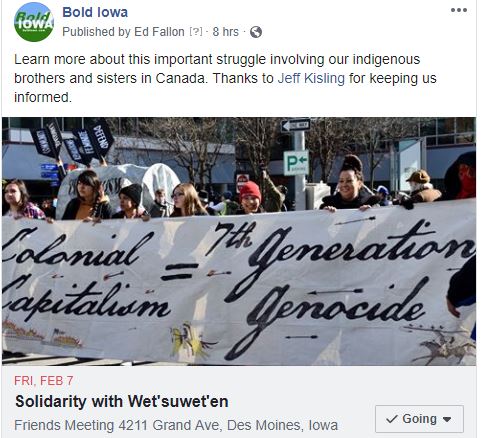
Iowa Solidarity with Wet’suwet’en

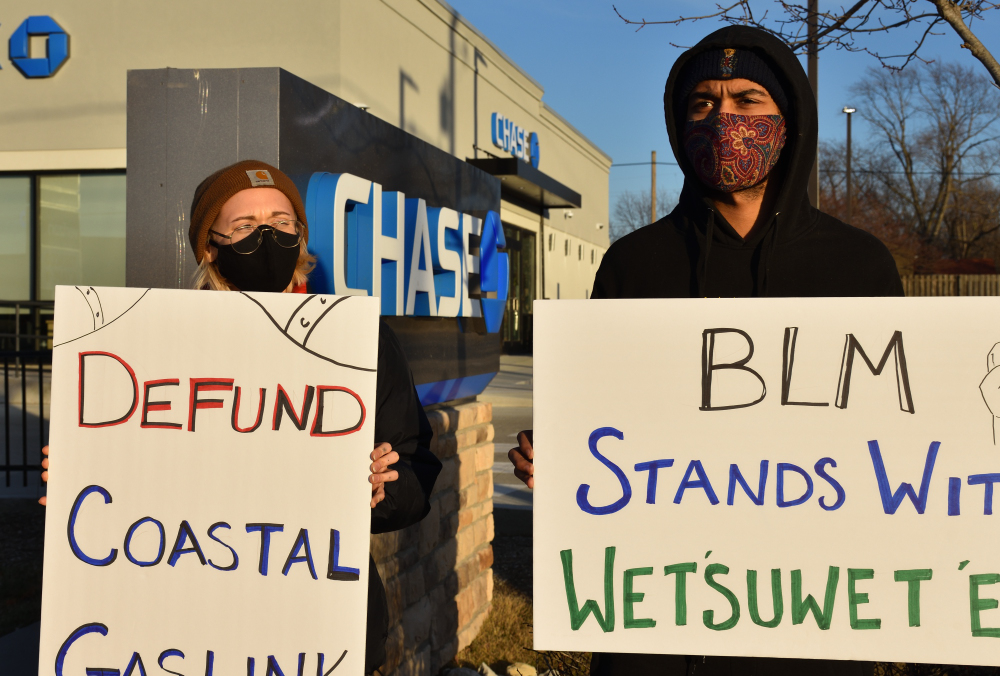
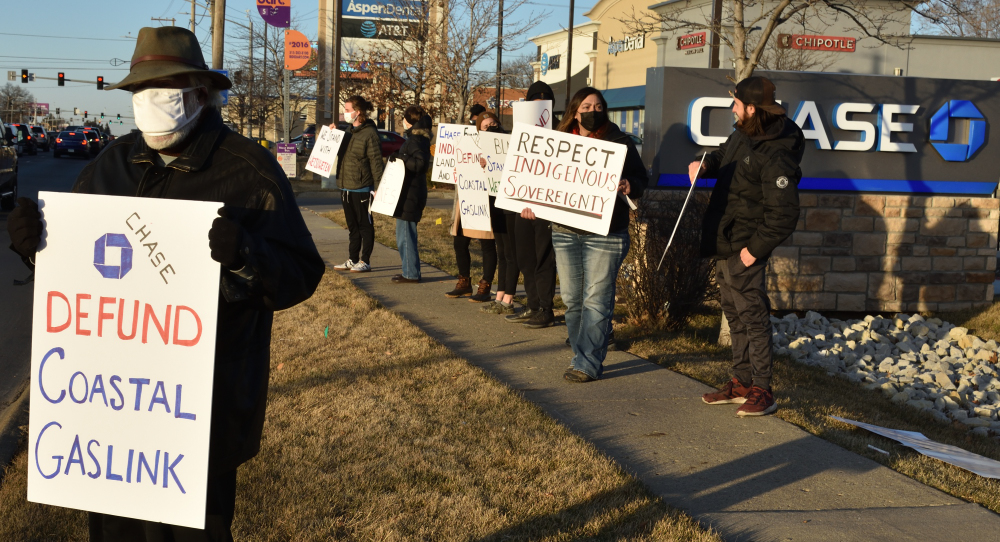
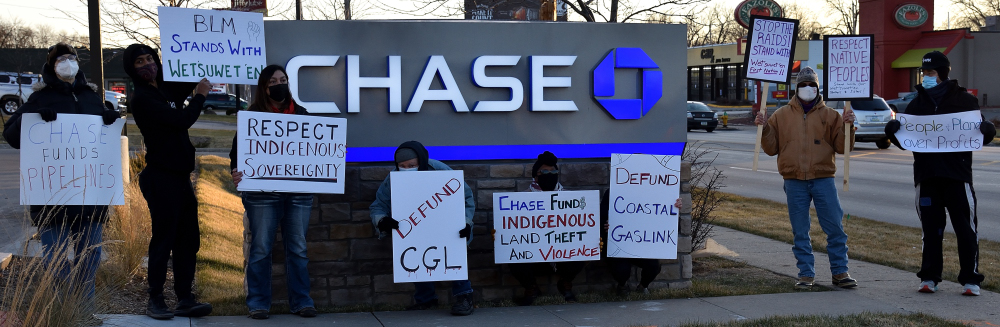
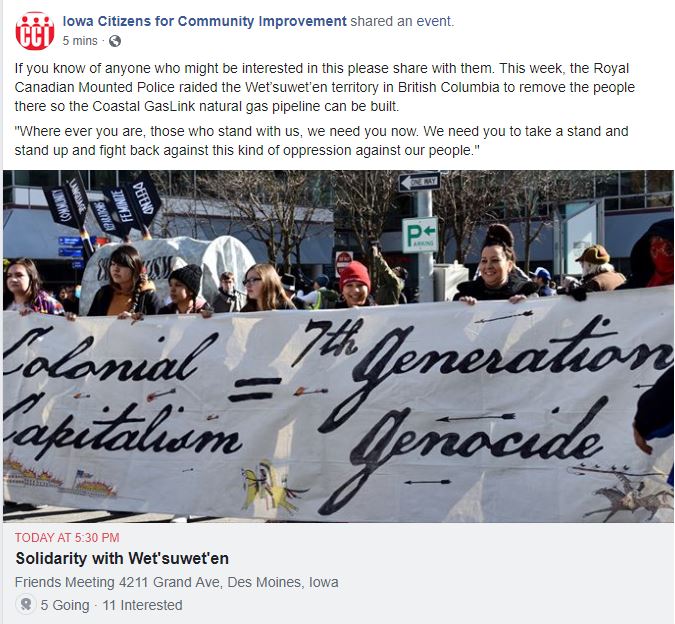
As I’ve been writing (see table below), the Wet’suwet’en peoples have declared the week of December 20 as a time for international support for their struggle to stop the completion of the Coastal GasLink pipeline through their pristine lands and water.

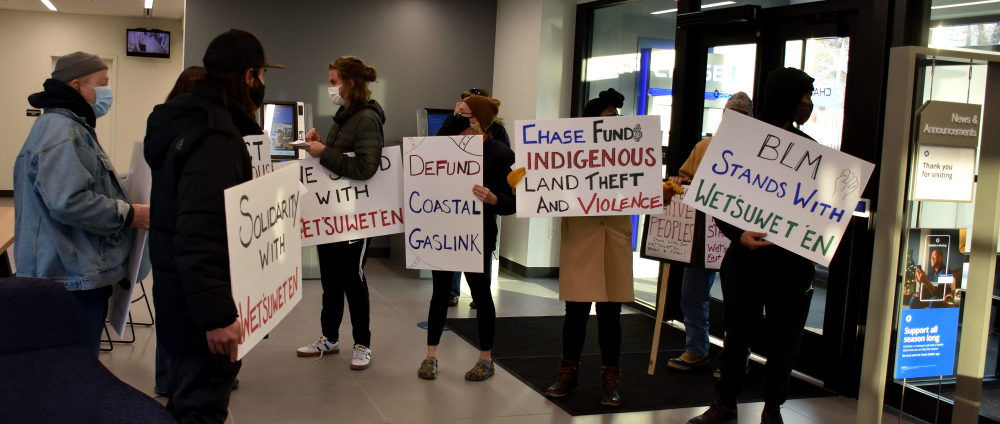
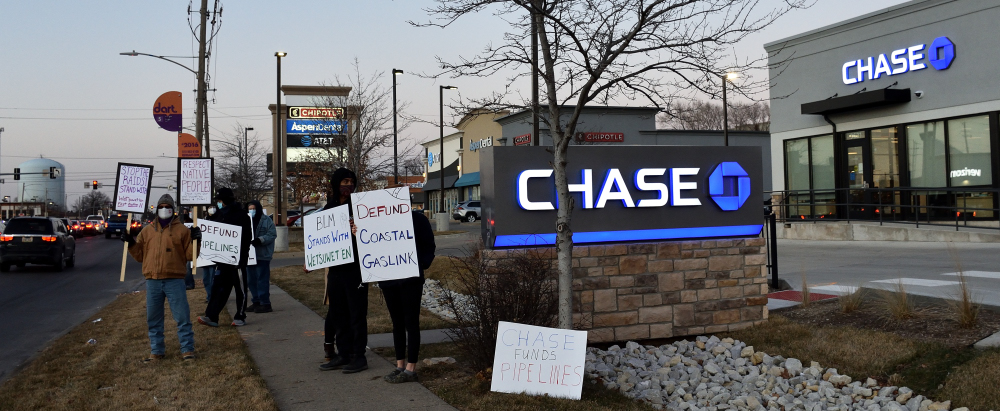
The map shows only two actions were planned in the Midwest. One is the action we took at the Chase bank in Des Moines yesterday, and the second will be held today in Chicago. Ironically, a mutual friend introduced me to Daniel, another Quaker working in support of the Wet’suwet’en and for LandBack. Daniel will be participating in the Midwest solidarity event in Chicago today.

Another new connection was made when my friend Jon Krieg (American Friends Service Committee) introduced me to Julie Brown, Turtle Island Solidarity Network, who has connections with the Wet’suwet’en organizers as well as activists in Iowa. Julie had connections with most of those who showed up yesterday. She also spoke with the bank manager by phone the day before our event, which facilitated talking with the manager and delivering a letter when we were there yesterday.

The people in the bank were clearly uncomfortable when we entered, but we were silent and non-threatening as we waited for the manager to appear. I was told I could not take photos in the bank and immediately stopped, although I had several shots prior to that.

Dear Branch Manager Minnihan,

As concerned residents of Des Moines and surrounding areas in Iowa, we are gathering today at the Chase bank branch on Merle Hay Road to demand that Chase immediately stops funding of the Coastal GasLink (CGL) project in Wet’suwet’en territory.

Coastal GasLink does not have the consent of the Wet’suwet’en Hereditary Chiefs, whose title to the land the Supreme Court of Canada recognizes. And yet Chase has continued to bankroll this illegal project and the destruction of Wet’suwet’en land, When met with resistance, the CGL project deployed sniper rifles and militarized squads against unarmed Indigenous peoples on their own land. People will not stand for this.

We demand that Chase immediately stops funding Coastal GasLink and profiting off of the illegal destruction and invasion of Wet’suwet’en land.

Attached are copies of the eviction notice issued on January 4, 2020, by Wet’suwet’en Hereditary Chiefs and the notice of enforcement issues on November 14, 2020.

Concerned local residents of Des Moines, Iowa

Action Goals
  • Take up the time and energy of Chase leadership nationally and locally
  • Educate members of the public on the role of TC Energy in their role in violating Indigenous rights by sharing graphics on social media, on email lists & in-person interactions
  • Increase the skills and leadership abilities of action participants 
  • Informing the public about the link between the bank’s fossil investments, land theft, and the climate crisis. 
  • Building solidarity between Land Defenders on the frontlines and the broader climate movement. 
  • Building power for the movement by training teams who can escalate against Chase come spring.
Defund Coastal GasLinkhttps://landbackfriends.com/2021/12/22/defund-coastal-gaslink/
Evicting Colonizershttps://landbackfriends.com/2021/12/21/evicting-colonizers/
International Week of Action to Defund Coastal GasLinkhttps://landbackfriends.com/2021/12/20/international-week-of-action-to-defund-coastal-gaslink/
Wet’suwet’en solidarity in Iowahttps://landbackfriends.com/2021/12/19/wetsuweten-solidarity-in-iowa/

#WetsuwetenStrong
#WetsuwetenSolidarity
#AllOutForWedzinKwa
#1492LandBackLane
#LandBack

Envelope drawings

There is a long history of connection between Bear Creek Friends Meeting in rural Iowa, and Monteverde Friends School in Costa Rica. Wolf and Lucky Guindon and my parents, Burt and Birdie Kisling, had a double wedding at the Bear Creek Meetinghouse in 1950. Shortly afterward, the Guidon’s were among a small group of Quakers who left this country because of increasing militarism and settled in Costa Rica. Lucky and Wolf are on the right.

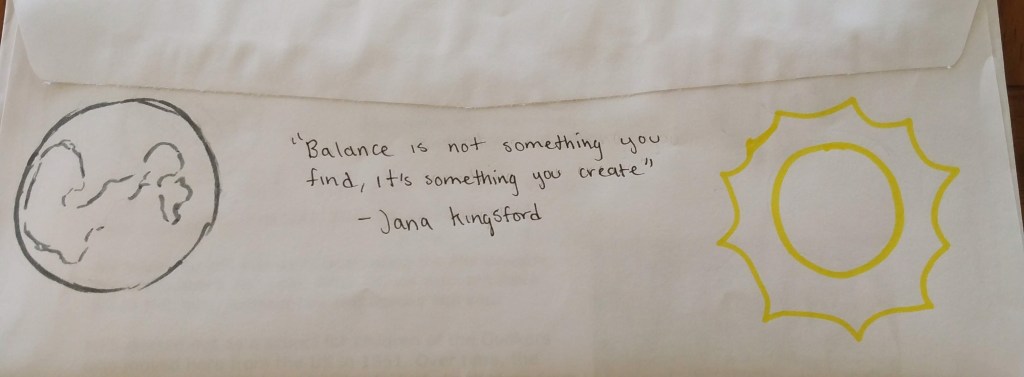
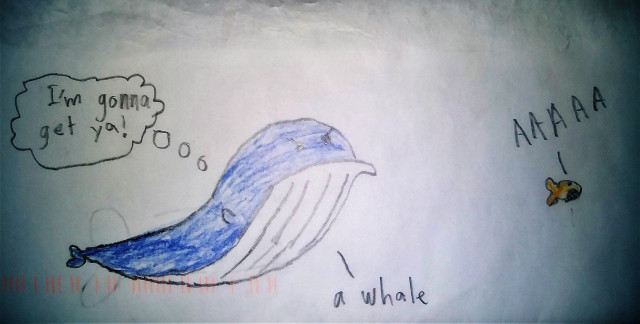
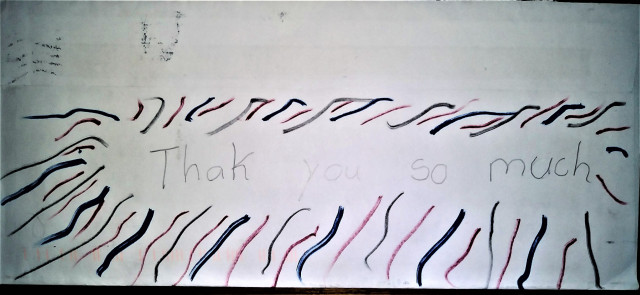
In 2018 I received a letter from the school in this envelope with a drawing of a whale. The clerk of Bear Creek Meeting received the other envelope below.

Envelopes from Monteverde Friends School (2018)

When we shared the pictures at Bear Creek Meeting, we spent a lot of time sharing stories about our connections with Monteverde Friends. Some present had visited Montverde. Others know people who have lived or continue to live there. As we shared these stories, we thought it would be nice to reply to the drawings from the children at Monteverde, by sending back drawings from us. The school told us the student artists were thrilled that we appreciated their artwork.

Drawings from Bear Creek to Monteverde.

In 2011 some of our family traveled to Monteverde for a reunion with Wolf and Lucky. Lucky on left, Wolf on the right.

Lucky, Birdie, Burt and Wolf

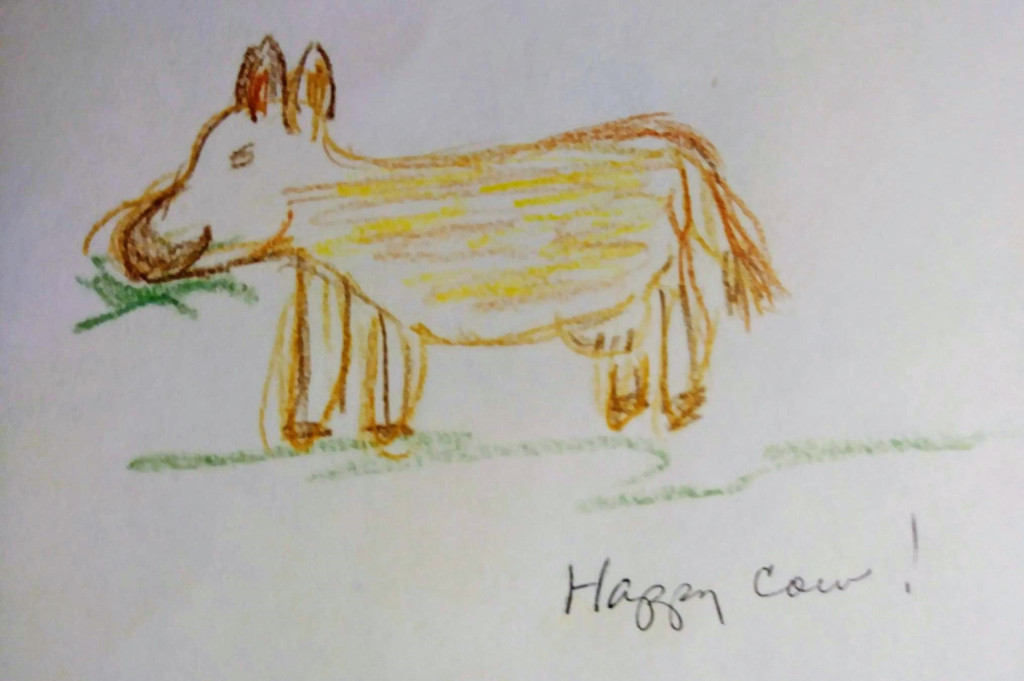
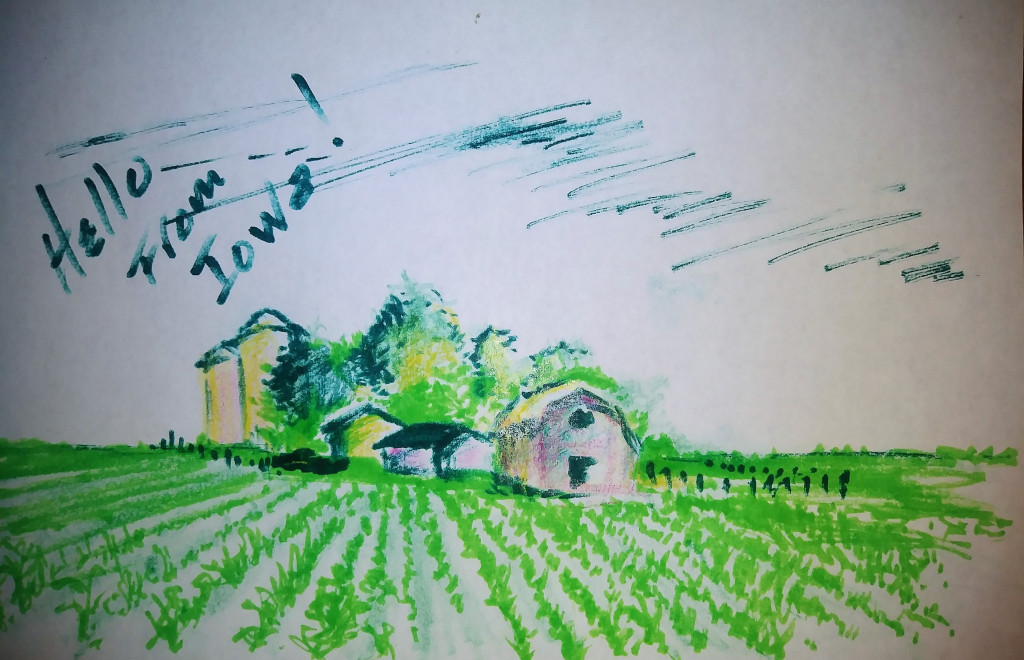
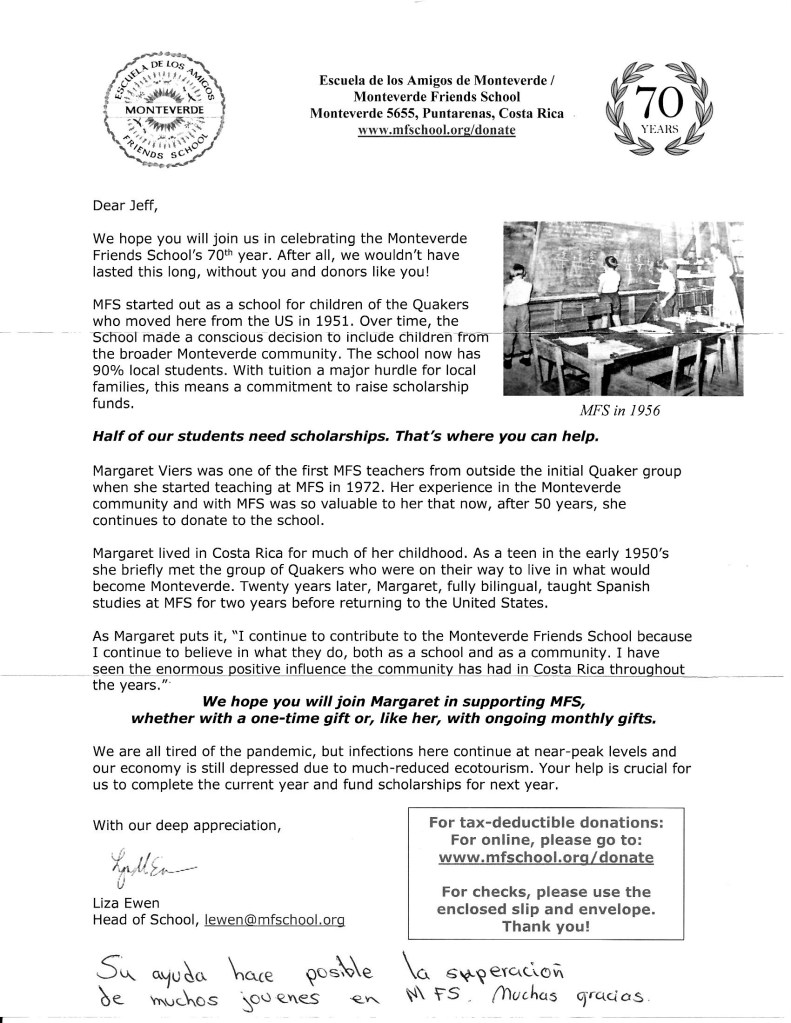
Recently we received more envelopes from Monteverde.


EPSON MFP image

Wet’suwet’en Enforce Mandatory Evacuation

You never know what might happen when you join a struggle for justice. One day in January 2020, I saw this video, “Coastal Gaslink Evicted from Unist’ot’en Territory”. I was amazed! I had been working for years on the Keystone XL and Dakota Access Pipeline resistance. But had not known about the Wet’suwet’en peoples in British Columbia and their efforts to protect the water and their beautiful lands from construction of the Coastal Gaslink pipeline.

I was especially interested because of the issues of Indigenous rights and began to closely follow these stories. https://landbackfriends.com/?s=wetsuweten

Not surprisingly there was little written about this in the mainstream media. Then, as now, the Wet’suwet’en asked supporters to share their stories on social media, which I did. My Quaker meeting wrote a statement about this and sent a letter to British Columbia Premier John Horgan, January 26, 2020. (below)

On February 7, 2020, several of us held a vigil in Des Moines, Iowa, to support the Wet’suwet’en. This vigil was life changing for me because that is where I met Ronnie James, an Indigenous organizer with many years of experience. I first learned of the concepts of Mutual Aid from Ronnie and to this day we work on Des Moines Mutual Aid projects. Mutual Aid and LANDBACK have become the focus of my study and writing. https://landbackfriends.com/

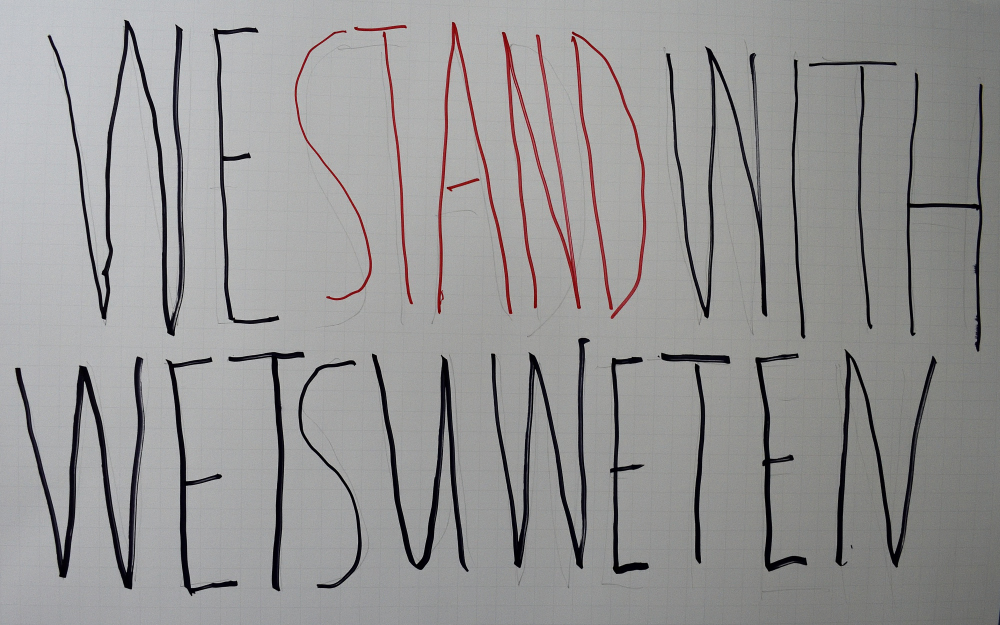
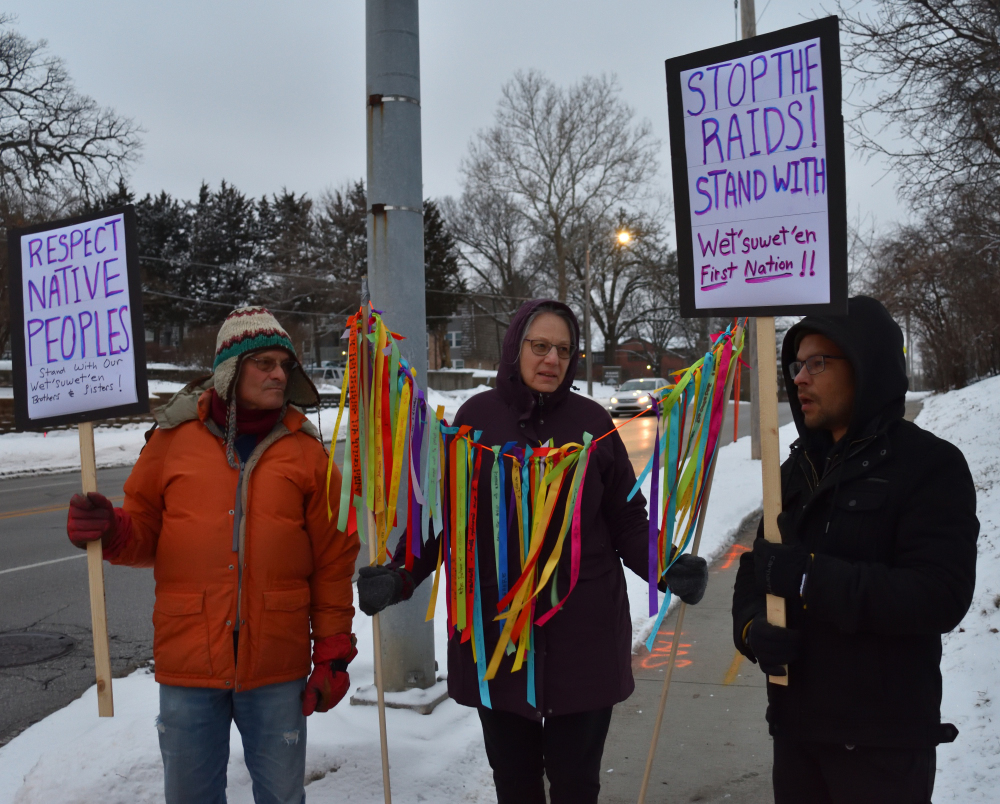
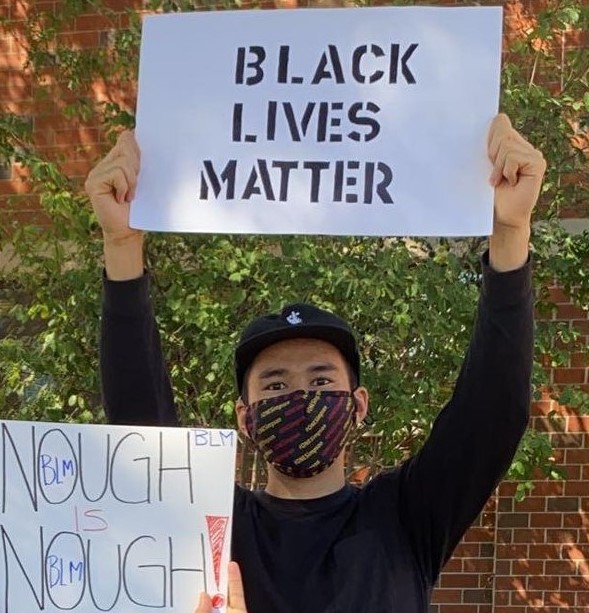
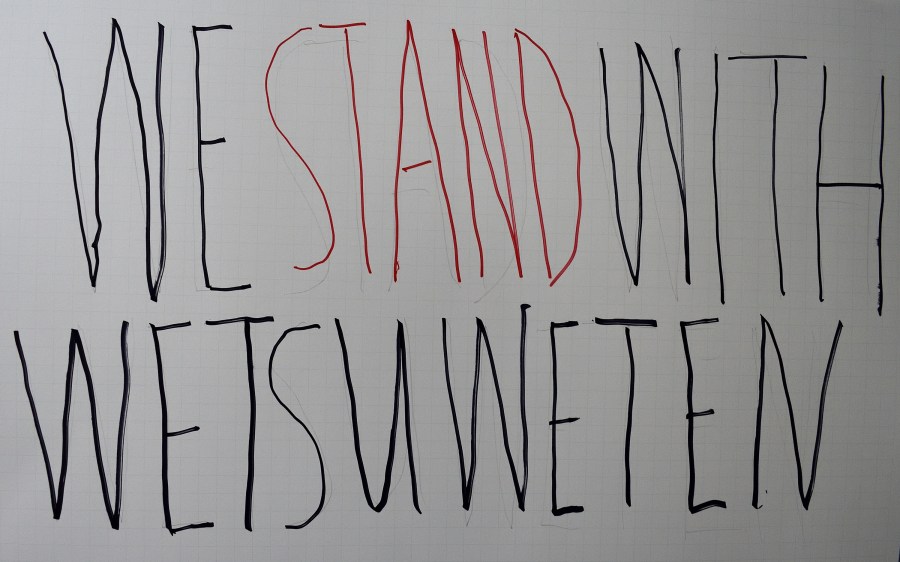
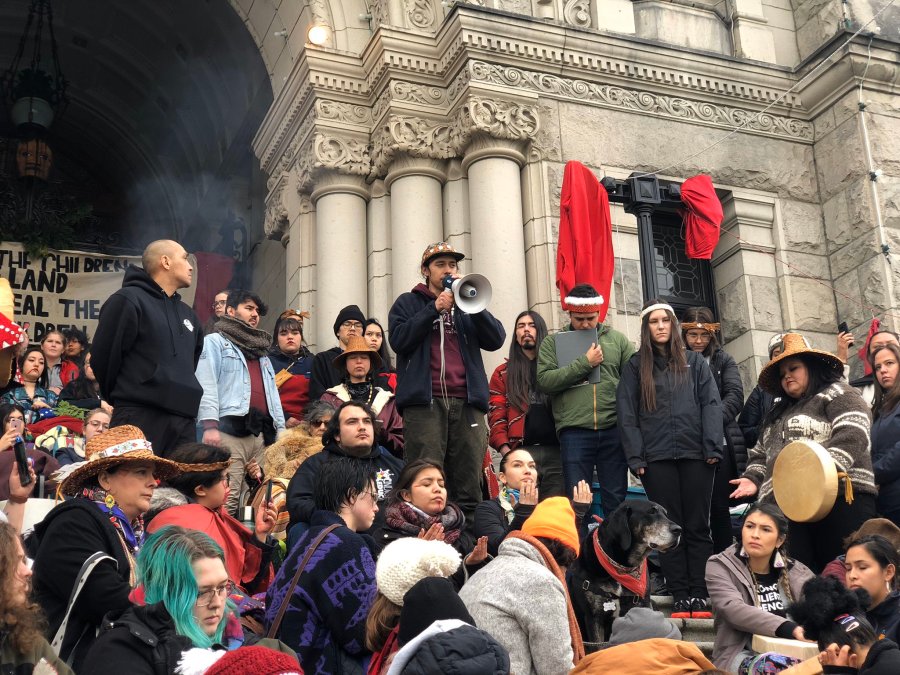
This photo was taken a couple of weeks ago when some of our Mutual Aid friends offered their support for the Wet’suwet’en. You probably notice using the same signs we used in 2020.

The reason for all this backstory is because Sunday the Wet’suwet’en enforced the eviction notice that was first given to Coastal Gaslink in the video above, in January, 2020. Following are stories of what has happened since. You can find updates on twitter at https://twitter.com/Gidimten

The Gidimt’en Clan of the Wet’suwet’en Nation has told Coastal GasLink it will enforce the eviction of pipeline workers from its territories in central B.C.

The enforcement notice, issued at 5 a.m. PT Sunday, provided an eight-hour window for CGL workers to move out of the territory before the access road was blocked.  

Jennifer Wickham, media co-ordinator for the Gidimt’en checkpoint, which monitors access to part of the territory, says the Morice River Forest Service Road is now impassible for all vehicles, including supply trucks. She says only a handful of CGL workers were seen leaving the area before the blockades went up along the access road Sunday afternoon.

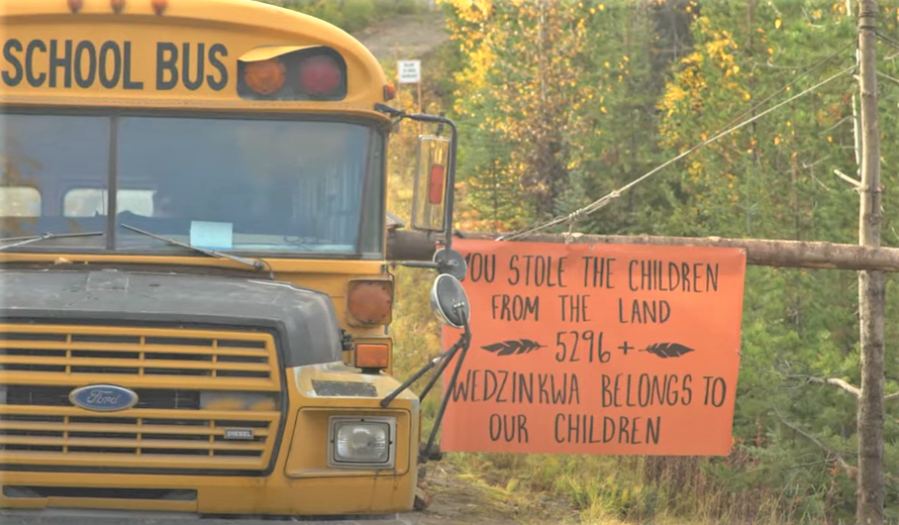
On Sept. 25, members of the Gidimt’en Clan of the Wet’suwet’en and supporters established a camp on a CGL work site south of Houston, halting plans to drill under the Wedzin Kwa (Morice River). Wickham called the river “the major concern” right now. She says the enforcement notice is “the next step” in the actions taken to protect the Wet’suwet’en sacred headwaters, salmon spawning river, and source of clean drinking water. 

Wet’suwet’en clan members say they are enforcing eviction of Coastal GasLink from territories. The enforcement notice, issued early Sunday, provided 8 hours for workers to leave before roads blocked By Kate Partridge, CBC News, Nov 15, 2021

This morning, we upheld our laws and issued a mandatory evacuation order for all pipeline workers trespassing on our territory. We are enforcing the eviction order from January 2020, where Wet’suwet’en Hereditary Chiefs representing all clans of our nation stood together and removed Coastal GasLink from our lands. We will never abandon our children to live in a world with no clean water. We uphold our ancestral responsibilities. We continue to protect our yintah and invite all of our supporters to join us on the ground or to take action where you stand.There will be no pipelines on Wet’suwet’en territory.

For more info www.yintahaccess.com#AllOutForWedzinKwa#ResponsibiliyNotRights#WetsuwetenStrong


“This morning Cas Yikh enforced the eviction to Coastal GasLink. CGL was given 8 hours to evacuate the yintah.

CGL has been trespassing and violating our laws for too long. We will continue to uphold our laws! Join us.”

May be an image of text

Bear Creek Friends (Quaker) meetinghouse is in the Iowa countryside. Many members have been involved in agriculture and care about protecting Mother Earth. A number of Friends have various relationships with Indigenous peoples. Some Friends have worked to protect water and to stop the construction of fossil fuel pipelines in the United States, such as the Keystone XL and Dakota Access pipelines.

We are concerned about the tensions involving the Wet’suwet’en Peoples, who are working to protect their water and lands in British Columbia. Most recently they are working to prevent the construction of several pipelines through their territory. Such construction would do severe damage to the land, water, and living beings.

Bear Creek Friends (Quaker) Meeting, Iowa Yearly Meeting (Conservative) January 26, 2020

John Horgan.
PO BOX 9041 STN PROV GOVT
VICTORIA, BC V8W 9E1.
Email premier@gov.bc.ca

John Horgan,

We’re concerned that you are not honoring the tribal rights and unceded Wet’suwet’en territories and are threatening a raid instead.

We ask you to de-escalate the militarized police presence, meet with the Wet’suwet’en Hereditary Chiefs, and hear their demands:

That the province cease construction of the Coastal Gaslink Pipeline project and suspend permits.

That the United Nations Declaration on the Rights of Indigenous Peoples (UNDRIP) and tribal rights to free, prior, and informed consent (FPIC) are respected by the state and RCMP.

That the Royal Canadian Mounted Police (RCMP) and associated security and policing services be withdrawn from Wet’suwet’en lands, in agreement with the most recent letter provided by the United Nations Committee on the Elimination of Racial Discrimination’s (CERD) request.

That the provincial and federal government, RCMP and private industry employed by Coastal GasLink (CGL) respect Wet’suwet’en laws and governance system, and refrain from using any force to access tribal lands or remove people.

Bear Creek Monthly Meeting of Friends (Quakers)
19186 Bear Creek Road, Earlham, Iowa, 50072

#WetsuwetenStrong
#AllOutForWedzinKwa
#NoPipelineNovember

Truth and healing coalition

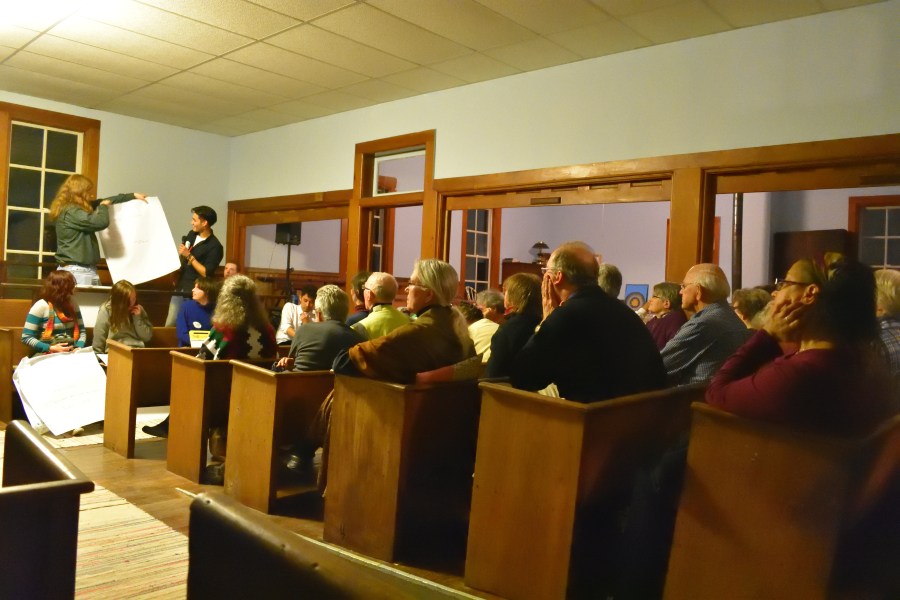
Yesterday at my Quaker meeting, Bear Creek Friends near Earlham, Iowa, we continued discussions related to Quakers and our relations with Native peoples generally, and those we know personally. There was deep sharing related to what we were learning about the institutions of forced assimilation. Like me, others indicated they had not understood the depths of the tragedies of forced assimilation. We have little specific information about the role of some of our ancestors. While it is not appropriate to share what was said without the permission of those present during the meeting’s discussion, I think it is important to state that we are engaged in the process of learning more, i.e. truth telling, and what we might do. There was discussion about healing.

The National Native American Boarding School Healing Coalition (NABS) has many excellent resources. One of their excellent publications is Healing Voices Volume 1: A Primer on American Indian and Alaska Native Boarding Schools in the U.S.

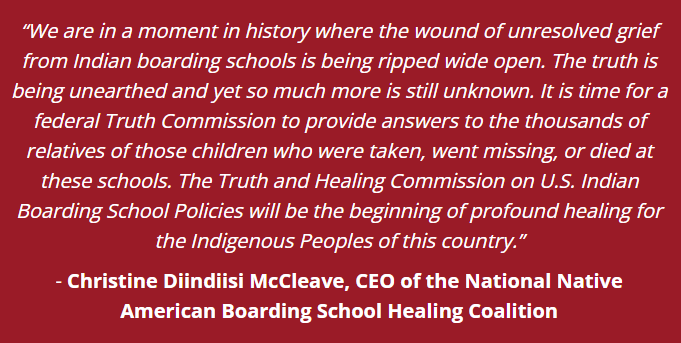
NABS was formed in 2012, in part to advocate for the establishment of a federal commission on U.S. Indian Boarding Schools, similar to the Truth and Reconciliation Commission on Canada’s Residential Schools. For years, NABS has been part of a grassroots movement of Native academics, researchers, tribal leaders, and boarding school survivors and descendants who are seeking truth, justice, and healing. The work to introduce a congressional commission has been underway for almost a decade.

The announcement by U.S. Interior Secretary Debra Haaland of the Department of the Interior’s Federal Indian Boarding School Truth Initiative in June this year is an important first step in the federal government taking accountability for revealing the truth, but we believe a Congressional Commission is the most comprehensive approach to developing a complete picture of the ongoing impact Indian boarding schools have had on generations of American Indian, Alaska Native, and Native Hawaiian people. This is critical to providing a path toward healing for individuals, families and Tribal communities that have endured the devastating consequences of Indian boarding school policies.

TRUTH AND HEALING COMMISSION ON INDIAN BOARDING SCHOOL POLICIES IN THE U.S.

Here is a link a fact sheet related to the National Native American Boarding School Healing Coalition.

Why a Truth and Healing Commission

We have a right to know the truth of what happened in Indian boarding schools in the United States.

Over the course of a century, hundreds of thousands of our children were taken or coerced away from our families and Tribes and forced to attend government-sanctioned Indian boarding schools. These schools were tools of assimilation and cultural genocide, resulting in the loss of language and culture and the permanent separation of children from their families. To date, there has never been an accounting of:

  • the number of children forced to attend these schools;
  • the number of children who were abused, died, or went missing while at these schools; and
  • the long-term impacts on the children and the families of children forced to attend Indian boarding schools.
Key Provisions of the Bill
  • Examines the location of children
  • Documents ongoing impacts from boarding schools
  • Locates church and government records
  • Holds culturally-appropriate public hearings to collect testimony from survivors and descendants.
  • Institutional knowledge gathering from subject matter experts
  • Shares findings publicly
  • Provides a final report with a list of recommendations for justice and healing

TRUTH AND HEALING COMMISSION ON INDIAN BOARDING SCHOOL POLICIES IN THE U.S.

This is a link to articles on this website related to the institutions of forced assimilation. https://landbackfriends.com/forced-assimilation/

Spiritual basis of justice work

This morning my Quaker meeting will continue to discuss our work for peace and justice. In preparation, I’ve been praying about the spiritual basis of justice work.

Quakers have a long history of work related to Indigenous peoples, including participation in the institutions of forced assimilation (sometimes referred to as boarding or residential schools).

In the following, Paula Palmer writes about her spiritual leading that led to a ministry related to Quakers and Native peoples. She writes, “from our twenty-first-century vantage point, we know (or can learn) how Native people suffered and continue to suffer the consequences of actions that Friends committed 150 ago with the best of intentions. Can we hold those good intentions tenderly in one hand, and in the other hold the anguish, fear, loss, alienation, and despair borne by generations of Native Americans?”

What happened at those institutions is generating attention these days as the remains of thousands of children are being uncovered on the grounds of these institutions.

What I’ve been praying about for years is how Quakers could have become involved in those institutions? Not to judge what individual Friends might have done but wondering how the Spirit could have guided them to participate. This is a clear example of white supremacy and dominance. Those involved thought the Native children should be forced to learn the ways of the white society that was engulfing them.

This has led me to pray about:

  • How can Friends work spiritually toward truth and reconciliation?
  • What things might we be doing now that are not spiritually grounded?
  • How can we challenge and support each other to seek a spiritual basis for our work now?

As Paula Palmer writes, “who are Friends today? Knowing what we know now, will Quakers join us in honest dialogue? Will they acknowledge the harm that was done? Will they seek ways to contribute toward healing processes that are desperately needed in Native communities?”

Last year I responded to a call that came from two sources: from Spirit, in the manner of Friends experiencing leadings, and from a coalition of Native American organizations that is working to bring about healing for Native people who still carry wounds from the Indian boarding schools.

My leading started with a nudge four years ago and grew into a ministry called Toward Right Relationship with Native Peoples. This ministry has grown in depth and breadth under the loving care of the Boulder (Colo.) Meeting. Working in partnership with Native American educators, I learned about their efforts to bring healing to the Native people, families, and communities that continue to suffer illness, despair, suicide, violence, and many forms of dysfunction that they trace to the Indian boarding school experience.

The National Native American Boarding School Healing Coalition says that for healing to occur, the full truth about the boarding schools and the policy of forced assimilation must come to light in our country, as it has in Canada. The first step in a truth, reconciliation, and healing process, they say, is truth telling. A significant piece of the truth about the boarding schools is held by the Christian churches that collaborated with the federal government’s policy of forced assimilation. Quakers were among the strongest promoters of this policy and managed over 30 schools for Indian children, most of them boarding schools, during the nineteenth and early twentieth centuries. The coalition is urging the churches to research our roles during the boarding school era, contribute this research to the truth and reconciliation process, and ask ourselves what this history means to us today.

Native organizations are not asking us to judge our Quaker ancestors. They are asking, “Who are Friends today? Knowing what we know now, will Quakers join us in honest dialogue? Will they acknowledge the harm that was done? Will they seek ways to contribute toward healing processes that are desperately needed in Native communities?” These are my questions, too.

Quaker Indian Boarding Schools. Facing Our History and Ourselves by Paula Palmer, Friends Journal, Oct 1, 2016


The country known as Canada went through a year’s long process of truth and reconciliation. The document referenced below is about what was learned in that process. A similar process is beginning in the land called the United States.
See: https://landbackfriends.com/2021/10/26/native-american-legislative-update/


It is due to the courage and determination of former students—the Survivors of Canada’s residential school system—that the Truth and Reconciliation Commission of Canada (TRC) was established. They worked for decades to place the issue of the abusive treatment that students were subjected to at residential schools on the national agenda. Their perseverance led to the reaching of the historic Indian Residential Schools Settlement Agreement.
All Canadians must now demonstrate the same level of courage and determination,
as we commit to an ongoing process of reconciliation. By establishing a new and respectful relationship between Aboriginal and non-Aboriginal Canadians, we will restore what must be restored, repair what must be repaired, and return what must be returned.

What We Have Learned. Principles of Truth and Reconciliation. The Truth and Reconciliation Commission of Canada

Minute approved by Iowa Yearly Meeting (Conservative)

To this day we have not come to grips with fundamental injustices our country was built on, the cultural genocide and theft of land from Native Americans, the enslavement of African Americans and the legal justifications of bestowing rights and privileges on white land-owning men. The consequences of these injustices continue to plague our society today. And will continue to impact us until we do what is necessary to bring these injustices to light and find ways to heal these wounds.

Several Friends recently assisted Boulder Meeting Friend, Paula Palmer, to lead workshops and discussions as part of her ministry “toward right relationships with Native people.” Part of the tragedy of the theft of Native land is that some Native people don’t have the concept of land as property, belonging to a landowner. Rather they have a spiritual connection to Mother Earth, that the land is sacred and not something that can be claimed as property by anyone. Being forced to leave their land broke their spiritual bonds with the land.

Native people have asked us to begin work toward reconciliation and healing. The first step needed is truth telling, recognizing that injury or harm has taken place. One of the important parts of holding “right relationship” workshops is to determine which Native nations were on the land before white settlers arrived.

Iowa Yearly Meeting (Conservative) 2019

I trust you to backup the people who are protecting the land

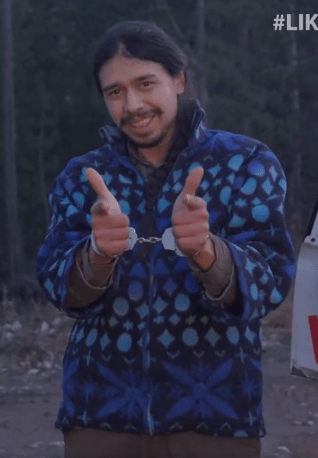
In the following video, Kolin Sutherland-Wilson speaks at his arrest yesterday. His message to us is to support the land protectors. “Because we are doing what we know is right, and we are following our truth.

It is an honor to be here on behalf of the Gitxsan people in support of our brothers and sisters of the Wet’suwet’en people. And I stand here as a diplomatic prisoner of the Gitxsan nation of the Git’luuhl’um’hetxwit  people and I stand fully behind the Likht’samisyu clan government and all those who stand up to support of the traditional laws of the land. Much love to all the people of the world. Thank you again for your support.

To all the people out there, I trust you to back up the people who are protecting the land, who are doing everything in their power to stand up to injustice. Because we are doing what we know is right, and we are following our truth. So as a member of the Git’luuhl’um’hetxwit, I ask that the Gitxsan people stand up to uphold our laws for the sake of peace, for the sake of the land.

Kolin Sutherland-Wilson

I trust you to back up the people who are protecting the land, who are doing everything in their power to stand up to injustice.

Kolin Sutherland-wilson

Some of my friends in Des Moines showing their support for the Wet’suwet’en on October 16, 2021.


In January, 2020, Bear Creek Friends (Quakers) approved the following statement in support of the Wet’suwet’en, and sent the letter below to John Horgan, British Columbia Premier.

Bear Creek Friends (Quaker) meetinghouse is in the Iowa countryside. Many members have been involved in agriculture and care about protecting Mother Earth. A number of Friends have various relationships with Indigenous peoples. Some Friends have worked to protect water and to stop the construction of fossil fuel pipelines in the United States, such as the Keystone XL and Dakota Access pipelines.

We are concerned about the tensions involving the Wet’suwet’en Peoples, who are working to protect their water and lands in British Columbia. Most recently they are working to prevent the construction of several pipelines through their territory. Such construction would do severe damage to the land, water, and living beings.

Bear Creek Friends Meeting, of Iowa Yearly Meeting (Conservative) approved sending the following letter to British Columbia Premier, John Horgan.

John Horgan.
PO BOX 9041 STN PROV GOVT
VICTORIA, BC V8W 9E1.
Email premier@gov.bc.ca

John Horgan,

We’re concerned that you are not honoring the tribal rights and unceded Wet’suwet’en territories and are threatening a raid instead.

We ask you to de-escalate the militarized police presence, meet with the Wet’suwet’en Hereditary Chiefs, and hear their demands:

That the province cease construction of the Coastal Gaslink Pipeline project and suspend permits.

That the United Nations Declaration on the Rights of Indigenous Peoples (UNDRIP) and tribal rights to free, prior and informed consent (FPIC) are respected by the state and RCMP.

That the Royal Canadian Mounted Police (RCMP) and associated security and policing services be withdrawn from Wet’suwet’en lands, in agreement with the most recent letter provided by the United Nations Committee on the Elimination of Racial Discrimiation’s (CERD) request.

That the provincial and federal government, RCMP and private industry employed by Coastal GasLink (CGL) respect Wet’suwet’en laws and governance system, and refrain from using any force to access tribal lands or remove people.

Bear Creek Monthly Meeting of Friends (Quakers)
19186 Bear Creek Road, Earlham, Iowa, 50072

#AllOutForWedzinKwa
#FreeDstahyl

#AllOutForWedzinKwa
#DefendWedzinKwa
#WetsuwetenStrong
#WeAreAllOne
#LANDBACK

Native American Legislative Update

Following are legislative updates for October from Portia K. Skenandore-Wheelock, Congressional Advocate, Native American Advocacy Program, Friends Committee on National Legislation (FCNL). This is a link to information from FCNL related to Native Americans. On that page you can sign up to receive these legislative updates. https://www.fcnl.org/issues/native-americans
The Friends Committee on National Legislation is a national, nonpartisan Quaker organization that lobbies Congress and the administration to advance peace, justice, and environmental stewardship. https://www.fcnl.org/about
This month’s action is to Support the Establishment of a Truth and Healing Commission on Indian Boarding Schools.

“It is long overdue for the United States to acknowledge the historic trauma of the Indian boarding school era. In the 19th and early 20th centuries, Christian churches collaborated with the government to create hundreds of boarding schools for Native American children. The conditions at these schools, some of them Quaker-run, were unspeakable.
Now we must work with tribal nations to advance congressional efforts to establish a federal commission to formally investigate boarding school policy and develop recommendations for the government to take further action. Although the wrongs committed at these institutions can never be made right, we can start the truth, healing, and reconciliation process for the families and communities affected as we work to right relationship with tribal nations.
Remind your members of Congress of their responsibility to tribal nations and urge them to support the Truth and Healing Commission on Indian Boarding School Policies in the United States Act (S. 2907/H.R. 5444).”

This link will help you write and send a letter of support for the establishment of a Truth and Healing Commission.

As a constituent and person of faith, I welcome the introduction of the Truth and Healing Commission on Indian Boarding School Policies Act (S. 2907/H.R. 5444) and urge you to support this important legislation.

From the 1860s through the 1960s, U.S. federal boarding school policy sought to assimilate more than 100,000 Native children into white American culture at 367 boarding and day schools operated by 14 different denominations. The traumatic separation of Native children from their families, identity, traditions, and spiritual beliefs was often coupled with psychological and physical abuse administered at these institutions. Heartbreakingly, many of these children never returned home.

The faith community has begun acknowledging our complicity in the historic trauma of the boarding school era and is committed to locating, cataloguing, and sharing boarding school records with the commission and the public as part of the truth-telling process. Given the scale of this effort and the government’s central role in boarding school policy, I call on you to join this important work and establish a federal commission to formally investigate boarding school policy and develop recommendations for the government to take further action.

The intergenerational impact of federal boarding school policy is still felt today. Loss of indigenous languages and cultures, injury to tribal governance and sovereignty, and high poverty, poor health, and growing suicide rates continue to harm tribal communities across the country. The establishment of the commission is an important first step in starting the truth, healing, and reconciliation process for all of us.

I urge you to co-sponsor this vital legislation and make a public statement in support of it and ask that you encourage your colleagues in Congress to do the same.

Quaker Lobby Backs Indian Boarding School Investigation Legislation by Timothy McHugh, FCNL, October 4, 2021

Washington, DC – The Friends Committee on National Legislation (FCNL) welcomed late last week’s introduction of important legislation to investigate and address the atrocities committed at Indian boarding schools throughout the United States in the 19th and 20th centuries.

Contact Tim McHugh: media@fcnl.org, 202-903-2515

“For far too long, the truth of cultural genocide led by European-Americans at Indian boarding schools has remained hidden in secrecy and ignored. Christian churches, including Quakers, carry this burden of transgression against indigenous people. It is necessary and important for our government to investigate, acknowledge, and report the truth to help us move toward healing the injustice against American Indians, Alaska Natives and Native Hawaiians,” said Diane Randall, FCNL’s general secretary.

“History cannot be undone. But it also can’t be ignored. The faith community must acknowledge our complicity in the historic trauma of the boarding school era and work in solidarity with tribal nations to advance congressional efforts to establish a truth, reconciliation, and healing process for the families and communities affected,” Randall concluded.

Senator Elizabeth Warren (MA), Representative Sharice Davids (KS), and Representative Tom Cole (OK) introduced the Truth and Healing Commission on Indian Boarding School Policies in the United States Act to establish the first formal commission in US history to investigate and document the attempted termination of cultures and languages of Indigenous peoples, assimilation practices, and human rights violations that occurred against American Indians, Alaska Natives, and Native Hawaiians through Indian Boarding School policies. A final report will be due within five years of the commission’s creation.

“This bill is a positive first step toward addressing not only the crimes of the boarding school era but centuries of abuse, maltreatment, and genocide of Native people at the hands of the federal government. Acknowledging the truths tribal communities have always known is an important part of the healing and reconciliation process for all of us,” said Portia Kay^nthos Skenandore-Wheelock, FCNL’s Native American Advocacy Program Congressional Advocate.

“Our work must also continue beyond the Commission in supporting the Indigenous languages, cultures, and peoples these policies were intended to destroy and erase. Only then can we create a future where all our children are safe, loved, and proud of who they are.”

Bill Advances to Protect Native American Cultural Heritage

On Oct. 13, the House Committee on Natural Resources advanced the Safeguard Tribal Objects of Patrimony (STOP) Act of 2021 (H.R. 2930) by unanimous consent. This bipartisan bill would prohibit the export of Native American cultural items that were illegally obtained, provide for the return of items, and double criminal penalties for individuals convicted of selling or purchasing human remains or illegally obtained cultural items.

“Throughout history, Native American cultural items such as human remains, sacred objects, and objects of cultural patrimony have been looted and sold to collectors in our country and abroad,” said Rep. Leger Fernández (NM-3) during an earlier hearing on the bill. “The STOP Act gives Tribes, Pueblos, and Nations a tool to close the door on the illegal exportation of cultural objects.”

Similar legislation (S. 1471) has been approved by the Senate Indian Affairs Committee and is awaiting action by the full Senate.


Indigenous Land Acknowledgement

As we bear witness and lobby in solidarity with Native Americans, we also honor the Nacotchtank tribe on whose ancestral land the FCNL, FCNL Education Fund, and Friends Place on Capitol Hill buildings stand. They are also known as the Anacostans, the Indigenous people who lived along the banks of the Anacostia River, including in several villages on Capitol Hill and what is now Washington, D.C. By the 1700s, the Nacotchtank tribe had merged with other tribes like the Pamunkey and the Piscataway, both of which still exist today.

Friends Committee on National Legislation (FCNL)