National Day for Truth and Reconciliation

Today, Sept 30, 2021, is the first National Day for Truth and Reconciliation in the country known as Canada. There is a lot of publicity now related to the institutions of forced assimilation. The remains of thousands of children being located by ground penetrating radar on the grounds of those institutions. Articles about the history of the residential schools, stories of those who attended, those who never returned. The suffering of those living today who are survivors of those schools. Those suffering today from the intergenerational trauma that has passed from generation to generation.

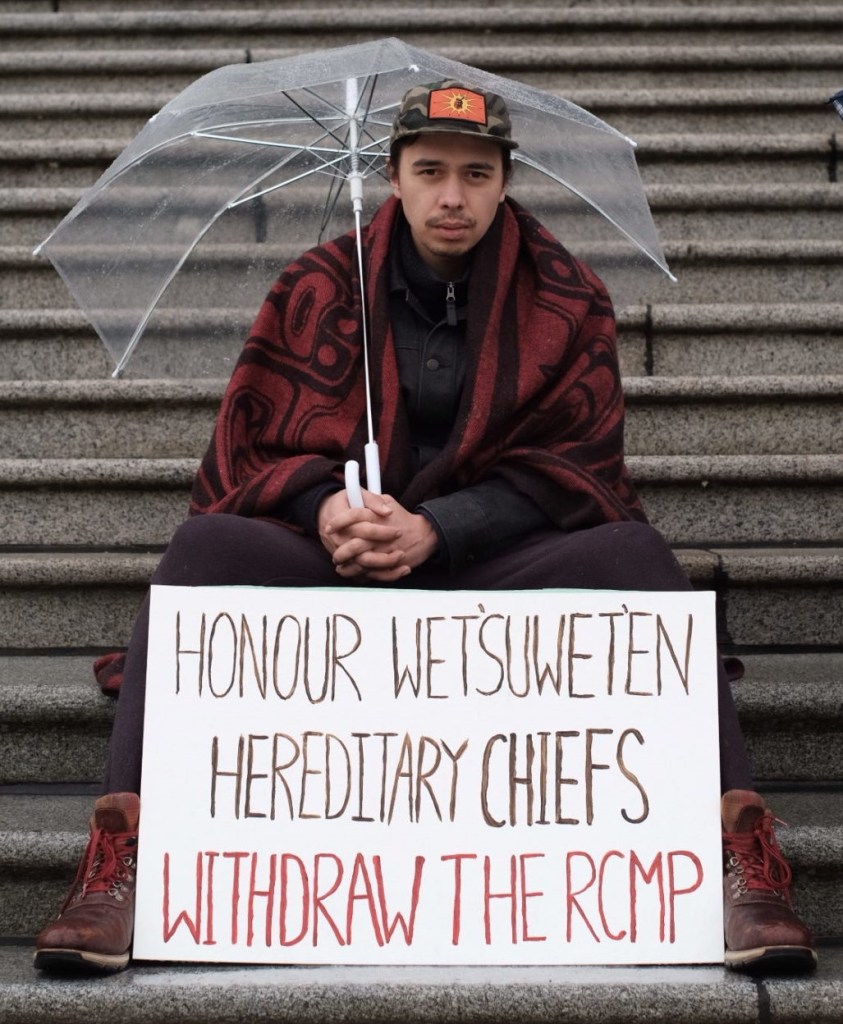
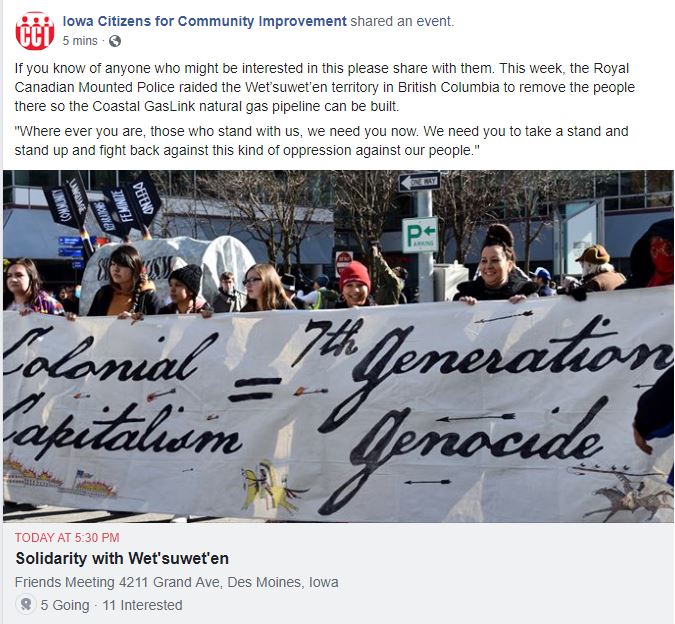
And the suffering continuing today as the Royal Canadian Mounted Police side with Coastal GasLink pipeline employees as they forced construction through Wet’suwet’en territory (video below)

These stories and events should be told by those who have been affected. People can re-traumatized. You can hear some of those stories in the following.

The National Residential School Crisis Line 1-866-925-4419

Included below are:

  • the reports from the Truth and Reconciliation Commission and its calls to action
  • the video from CBC/Radio, We Know the Truth: Stories to inspire reconciliation
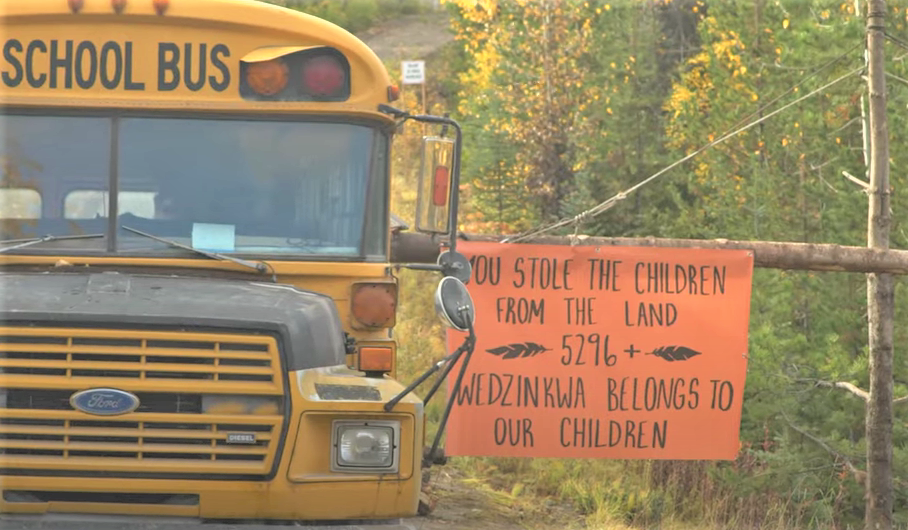
  • and a video of the Royal Canadian Mounted police painfully removing a land defender locked under a bus on the Wet’suwet’en territory. There cannot be reconciliation when the government continues to enforce construction of pipelines through Indigenous lands.

National Day for Truth and Reconciliation

September 30, 2021 marks the first National Day for Truth and Reconciliation.

The day honours the lost children and Survivors of residential schools, their families and communities. Public commemoration of the tragic and painful history and ongoing impacts of residential schools is a vital component of the reconciliation process.

The creation of this federal statutory holiday was through legislative amendments made by Parliament. On June 3, 2021, Bill C-5, An Act to amend the Bills of Exchange Act, the Interpretation Act and the Canada Labour Code (National Day for Truth and Reconciliation) received Royal Assent.

Commemorating National Day for Truth and Reconciliation
Illuminating Parliament Hill

To commemorate the National Day for Truth and Reconciliation and to honour the Survivors, their families and communities, buildings across Canada will be illuminated in orange September 29 and/or September 30, from 7:00 pm to sunrise the next morning. This will include federal buildings such as the Peace Tower on Parliament Hill.

Truth and Reconciliation Week

This 5-day, bilingual educational event will include programming designed for students in grades 5 through 12 along with their teachers and feature Indigenous Elders, youth and Survivors. The event will be pre-recorded and webcasted, allowing for schools and classrooms participation from across the country and the involvement of Indigenous and non-Indigenous students.

National Day for Truth and Reconciliation Broadcast

A 1-hour bilingual primetime show in partnership with, and broadcast on, CBC/Radio-Canada and APTN will be devoted to the National Day for Truth and Reconciliation. Programming will include presentations on the importance of this day as well as cultural and artistic performances in support of healing and giving voices to Indigenous peoples.

APTN Sunrise Ceremony

APTN will present pre-taped Sunrise ceremony featuring drummers, singers, Elders and various Indigenous traditions.

Truth and Reconciliation Commission and its calls to action

There were 140 federally run Indian Residential Schools which operated in Canada between 1831 and 1998. The last school closed only 23 years ago. Survivors advocated for recognition and reparations and demanded accountability for the lasting legacy of harms caused. These efforts culminated in:

The Truth and Reconciliation Commission ran from 2008 to 2015 and provided those directly or indirectly affected by the legacy of the Indian Residential Schools policy with an opportunity to share their stories and experiences. The National Centre for Truth and Reconciliation has become the permanent archive for the statements, documents and other materials the Commission gathered, and its library and collections are the foundation for ongoing learning and research.

The Commission released its final report detailing 94 calls to action. The National Day for Truth and Reconciliation is a direct response to Call to Action 80, which called for a federal statutory day of commemoration.


On the inaugural National Day of Truth and Reconciliation, we’re introducing Canadians to Indigenous people who are flipping the conversation on reconciliation.

We Know the Truth: Stories to inspire reconciliation.

CBC/Radio is a Canadian public broadcast service.

There were also residential schools in the land called the United States. Secretary of the Interior, Deb Haaland, has initiated an investigation of these institutions of forced assimilation and the remains of the children.

Today only, Jason Eaglespeaker is making his graphic novels (there are three versions) “UNeducation, Vol 1: A Residential School Graphic Novel” available free of charge.


There cannot be reconciliation when the government continues to enforce construction of pipelines through Indigenous lands

How incredible is it that the Royal Canadian Mounted police continue to attack land defenders resisting the construction of the Coastal GasLink pipeline through the Wet’suwet’en lands in British Columbia?


Gidimt’en Access Point

On September 27th, a land defender blocking a fracked gas pipeline was tortured by police.

This is the second arrest at the drill pad site access road, where Coastal Gaslink (CGL) plans to drill under Wedzin Kwa (Morice River), the sacred headwaters on Wet’suwet’en yintah. The arrest was brutal.

The RCMP officers used “pain compliance” for an hour on the person locked under the bus in a hard lock, insisting the person just let go, which very clearly they were not able to do.

The RCMP then had CGL contractors, instead of an extraction team, come in to extract the person. The injunction very clearly states that RCMP are the only ones to enforce the injunction. This is in violation of that.

This comes on the heels of the RCMP being at fault for the injunction renewal denial for the Fairy Creek defence based on their tactics against peaceful people.

Tomorrow is the “National Day of Truth and Reconciliation” in Canada, and here we clearly see that violence and forced removal from Indigenous lands are on full display.

This is about our yintah (land). It always has been. They have been trying to steal our lands and resources since contact and they will bulldoze and torture their way through to get it, because all they care about is money. We will never give up. Join us. Yintahaccess.com
CW: VIOLENT ARREST OF LAND DEFENDER
https://youtu.be/h4gK5scLMhk

UNeducate Yourself!

I have purchased a number of books and graphic novels from Jason Eaglespeaker. https://www.eaglespeaker.com/

In honor of National Day for Truth & Reconciliation (September 30th, in Canada), Jason is offering all three versions of UNeducation, A Residential School Graphic Novel, Vol 1 for free! See where to get them below. This offer is good for September 30th only. The three versions are explained below. There is a PARENTAL ADVISORY regarding the uncut version.

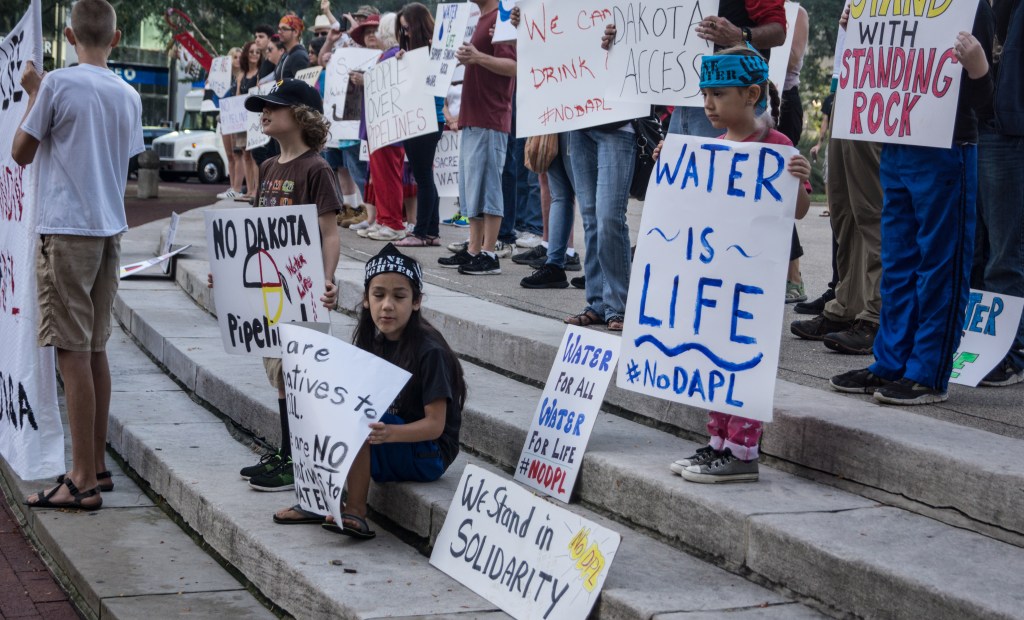
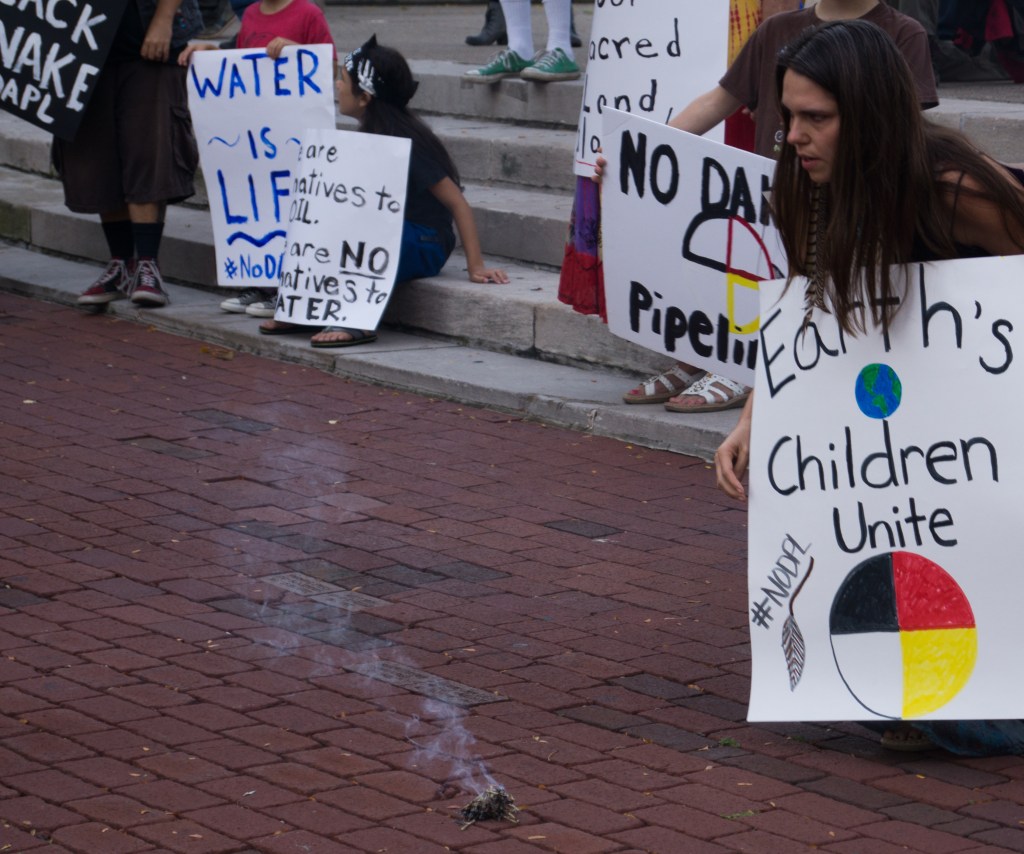
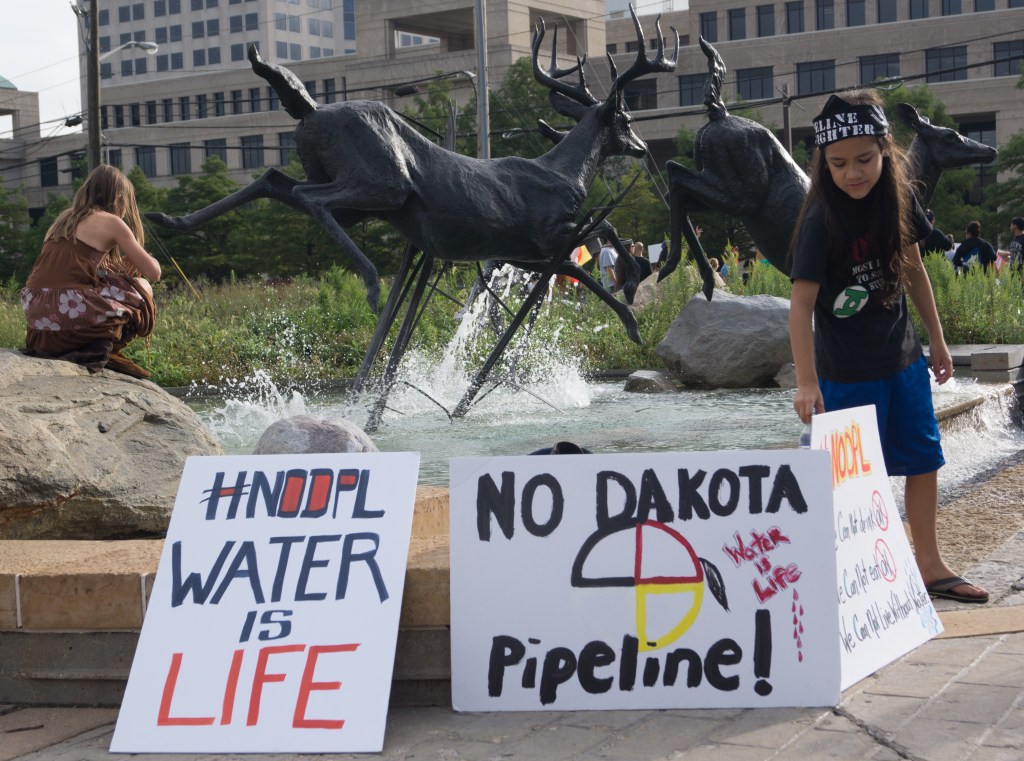
Jason and I corresponded about one of his books, Young Water Protectors, A Story About Standing Rock by Aslan Tudor. I hadn’t realized it at the time, but I got a few photos of Aslan when we were both at a gathering in Indianapolis related to the Dakota Access pipeline.

978-1723305689-backcover.jpg

This is a link to a story about Aslan and the book. New book about Standing Rock written from child’s perspective by Rhiannon Johnson, CBC News, Aug 25, 2018

You may have heard about, read about or even own the book that started it all – “UNeducation, Vol 1: A Residential School Graphic Novel”. Launched over 10 years ago, from one single handmade copy, UNeducation is now in libraries, schools, universities and retailers throughout North America and beyond.

It comes in three versions:
In honor of National Day for Truth & Reconciliation (September 30th, in Canada), you can get all three versions of UNeducation, Vol 1 for free!

Simply use the links below to head to the download pages:

UNeducation UNcut – for the mature reader
*eBook version, requires free Kindle App to read
**free download ends Sept 30th at midnight
Amazon USA
Amazon Canada

UNeducation PG – for the sensitive reader (schools choose this one)
*eBook version, requires free Kindle App to read
**free download ends Sept 30th at midnight
Amazon USA
Amazon Canada

UNeducation A Coloring Experience – for youth and adults
Download from my website  

Orange Shirt Day

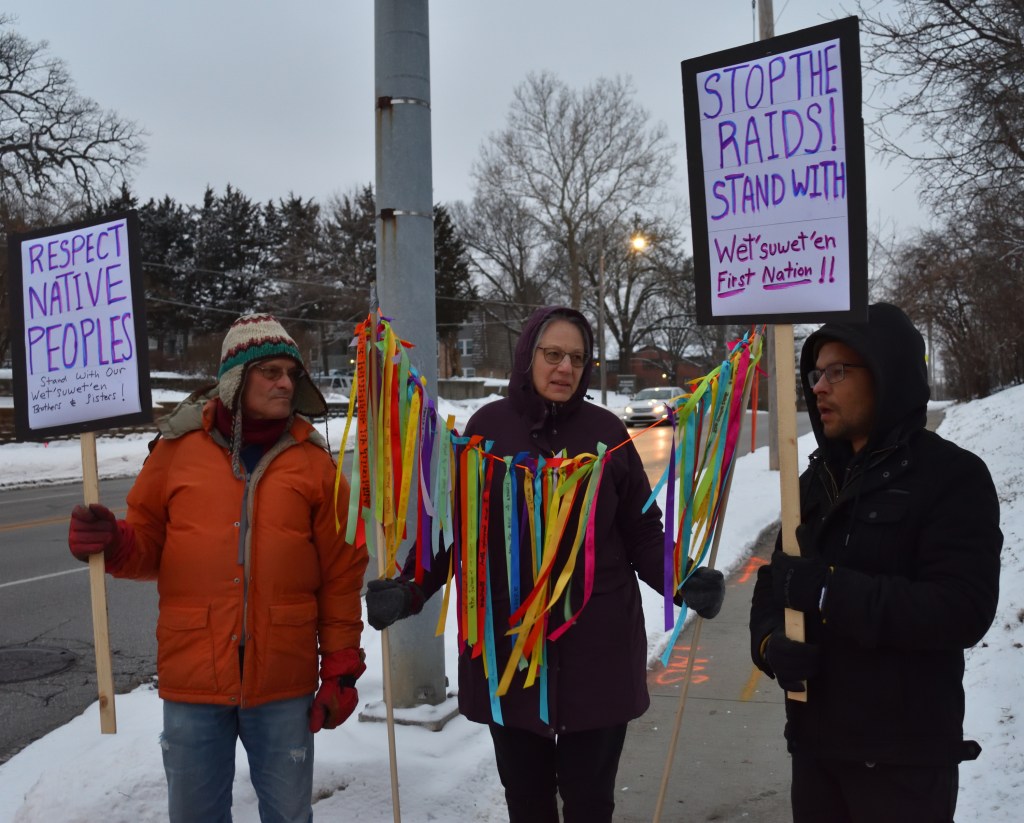
I’m saddened by the disconnect between Canada’s years of work on truth and reconciliation related to institutions of forced assimilation of Indigenous children and the ongoing militarized response by the government against the Wet’suwet’en peoples (see the tweets at the end for updates).

The investigation related to the remains of Indigenous children on the grounds of residential schools in the US is beginning. And yet, as in Canada, multiple fossil fuel projects continue to be approved. There is increasing resistance to the construction of these pipelines. And a new class of pipelines related to carbon capture are proposed.

Orange Shirt Day will also be observed tomorrow in Canada.


The Orange Shirt Story began in May 2013 during the Truth and Reconciliation Hearings in Williams Lake BC. At that time Kukpi7 Fred Robbins of the Esketemc enlisted the support of the local School District, Regional Government and the Municipalities of the Cariboo, to both honour the survivors of Residential Schools and raise awareness of the Residential School system among the people of the Cariboo. This is the story of Kukpi7 Fred Robbins time at Residential School, the Commemoration events that were organized, and the hopes for the future that Kukpi7 Fred Robbins envisioned. – WARNING Sensitive Content

https://www.canada.ca/en/canadian-heritage/campaigns/national-day-truth-reconciliation.html

Leading up to September 30, the “National Day of Truth and Reconciliation” we need to send the message that things have to change and they have to change NOW.

#WetsuwetenStrong #NoTrespass #WedzinKwa #CGLofftheYintah #Sovereignty #Solidarity #DefendTheYintah #WeAreAllOne #IndigenousSovereignty #TraditionalGovernance

Defending Wedzin Kwa

Over the past several days there has been escalating conflict between the Wet’suwet’en peoples and the Coastal Gaslink pipeline company, which is supported by the Royal Canadian Mounted Police. Coastal GasLink is trying to drill under the sacred headwaters, Wedzin Kwa.

The last tweet below talks about the most recent attempts of armed invasion of Wet’suwet’en lands by the RCMP that began in 2019.

This is a glaring example of the fossil fuel industry forcing its way against the will of the people, of Indigenous peoples, enforced by the government (of Canada in this case). Go to https://www.yintahaccess.com/ for ways you can help.

This is especially dispiriting as the first National Day of Truth and Reconciliation in Canada, September 30, approaches.


On the morning of September 26th, the access road to Coastal GasLink’s drill site was destroyed. A series of blockades were put into place and the site was occupied. When the chiefs arrived onsite, they were threatened with arrest and denied access to their territory. One person was arrested during the occupation. Wet’suwet’en chiefs are trying to protect the sacred head waters of Wedzin Kwa. We cannot let them drill under this river.

Drill Site Occupied As Wet’suwet’en Chiefs Call For Support, It’s Going Down, Sept 26, 2021


Now, CGL is ready to begin drilling beneath our sacred headwaters, Wedzin Kwa. We know that this would be disastrous, not only for Wet’suwet’en people, but for all living beings supported by the Wedzin Kwa, and for the communities living downstream. Wedzin Kwa is a spawning ground for salmon and a critical source of pristine drinking water. States Sleydo’, Gidimt’en Checkpoint Spokesperson: 

“Our way of life is at risk. […] Wedzin Kwa [is the] the river that feeds all of Wet’suwet’en territory and gives life to our nation.”

Wet’suwet’en Blockades Erected To Stop Coastal Gaslink Drilling Under Sacred Headwaters, Indigenous Environmental Network, September 27, 2021


News Release
Indigenous Environmental Network

On the morning of September 25, 2021, the access road to Coastal GasLink’s (CGL’s) drill site at the Wedzin Kwa river was destroyed. Blockades have been set up and sites have been occupied, to stop the drilling under the sacred headwaters that nourish the Wet’suwet’en Yintah and all those within its catchment area. Cas Yikh and supporters have gained control of the area and refuse to allow this destruction to continue.

Wet’suwet’en Hereditary Chiefs were denied access to their own lands, and there has been one arrest confirmed. The Hereditary Chiefs were read the injunction and threatened with arrest, but they held their ground. Despite heavy machinery and heavy Royal Canadian Mounted Police presence, our relatives and supporters are standing strong holding the line, and so far no more arrests have been confirmed. As of Sunday, September 26, the individual arrested has been released and the chiefs and supporters continue to hold the line and successfully hold off any work by Coastal GasLink.

Days ago, Coastal GasLink destroyed our ancient village site, Ts’elkay Kwe. When Gidimt’en Checkpoint spokesperson Sleydo’ attempted to monitor the Coastal GasLink archaeological team and contest the destruction of Wet’suwet’en cultural heritage, she was aggressively intimidated by Coastal GasLink security guards. Tensions have continued to rise on the Yintah as Coastal GasLink pushes a reckless and destructive construction schedule with the support of private security and the Royal Canadian Mounted Police.

Now, Coastal GasLink is ready to begin drilling beneath our sacred headwaters, Wedzin Kwa. We know that this would be disastrous, not only for Wet’suwet’en people, but for all living beings supported by the Wedzin Kwa, and for the communities living downstream. Wedzin Kwa is a spawning ground for salmon and a critical source of pristine drinking water.

Indian Country Today

Our warrior spirits are stronger than they’ll ever be

Gidimt’en Checkpoint spokesperson Sleydo’
https://twitter.com/Gidimten/status/1442698309651427328/photo/1

This is a PDF of the history of the involvement of some of us in Iowa related to the Wet’suwet’en peoples’ struggles. https://designrr.s3.amazonaws.com/jakislin_at_outlook.com_52440/n-a_615326c8.pdf


Police Violence at Gidimt’en Checkpoint

The Wet’suwet’en vs. RCMP and Coastal GasLink situation is escalating.

#WetsuwetenStrong #NoTrespass #WedzinKwa #CGLofftheYintah #WeAreAllOne #TraditionalGovernance #StandUpFightBack

Wet’suwet’en struggle continues

It is tragic that at the same time the concepts of #LANDBACK are being embraced, resource extractive companies continue to take land, without free and prior consent. And it is ironic that this conflict is going on at a time when Canada will celebrate the first National Day for Truth and Reconciliation on September 30.

This is a link to the story of my experiences with the Wet’suwet’en struggles, LANDBACK Case Study: Wet’suwet’en and Quakers.

Now an archeological site has just been destroyed.

Gidimt’en Checkpoint

September 23 at 2:32 PM 
PRESS RELEASE
COASTAL GASLINK DESTROYS ARCHEOLOGICAL SITE ON CAS YIKH TERRITORY
September 23, 2021
FOR IMMEDIATE RELEASE

SMITHERS, BC: On September 22, 2021, after days of conflict between Gidimt’en/Cas Yikh Chiefs and members, Coastal GasLink and the RCMP, contractors completely cleared an archaeological site which has been destroyed with heavy machinery for the construction of a methane gas pipeline.

Gidimt’en chiefs and supporters have been defending a number of culturally significant archeological sites from destruction on unceded Cas Yikh (Grizzly House) territory belonging to the Gitdimt’en clan of the Wet’suwet’en people. The Coastal GasLink pipeline company has obtained a Site Alteration Permit (SAP) from the BC Oil and Gas Commission (OGC) through a flawed and ineffective consultation process and without the Free, Prior and Informed Consent of the Wet’suwet’en Hereditary Chiefs. The Wet’suwet’en have argued for years that the pipeline route endangers critical species, cultural use and heritage sites, and is not supported by Wet’suwet’en land use plans, particularly around the development of climate change policies. This archaeological site in particular, is significant to the Wet’suwet’en in the protection of our cultural heritage for future generations and for protecting our oral histories and heritage values for ongoing rights and title negotiations.

The company continues to violate their own regulations and conditions set forward by governing bodies such as the OGC and their own Environmental Assessment Certificates. Neither CGL nor the BCOGC undertook consultation with Cas Yikh or the Office of the Wet’suwet’en for the permit. The consultation process and the permitting system is deeply flawed and acts merely as a rubber stamp process to allow industry to continue. For example, files sent to the Office of the Wet’suwet’en were password protected and unable to be opened. Thus the information contained inside was never able to be reviewed, let alone consented to. Silence does not equal consent and to push forward with destroying a culturally significant heritage site is deeply disturbing and violent.

An archeologist working with Cas Yikh recently stated, about the cultural site that CGL is now threatening:

A site alteration permit was granted for the purpose of clearing GbSs-8 to make way for the Coastal GasLink pipeline, but no information on the proposed work/clearing activities has been shared with OW, Wo’os, Cas Yikh, or this report’s author. What is known about the archaeology of Ts’elkay Kwe Ceek is dismal. This is especially concerning given the sheer intensity with which the landscape was inhabited and used (according to oral and written testimonies) and the concentration of habitation and use sites (lithics, trails, and cultural depressions). As a result, any destruction to archaeological heritage in Ts’elkay Kwe Ceek should be seen as a gross miscalculation on behalf of the proponent and their archaeologists. Indeed, given that no consultation or consent was granted for the site alteration permit, the course of site destruction is highly irregular and likely illegal.

Many measures were taken to prevent the destruction of this site, including a Cease and Desist letter sent to all parties, including provincial ministers in charge of lands and forests, in which hereditary chief Dini ze’ Woos stated:

To be clear, we do not authorize or consent to the removal of, or any “alteration” or impacts to, our archaeological heritage. According to the United Nations Declaration of the Rights of Indigenous Peoples — a declaration implemented by the BC Government under Bill C41, which states:

4. Article 11 (1). Indigenous peoples have the right to practise and revitalize their cultural traditions and customs. This includes the right to maintain, protect and develop the past, present and future manifestations of their cultures, such as archaeological and historical sites, artefacts, designs, ceremonies, technologies and visual and performing arts and literature. (2). States shall provide redress through effective mechanisms, which may include restitution, developed in conjunction with indigenous peoples, with respect to their cultural, intellectual, religious and spiritual property taken without their free, prior and informed consent or in violation of their laws, traditions and customs. (Emphasis added).

The work that is continuing just hundreds of meters from Gidimt’en Checkpoint, a reoccupation site belonging to Cas Yikh, is in violation of the provincially legislated DRIPA. It is happening without the consent of Cas Yikh and therefore we demand that the permit be revoked and a proper consultation process begin.

For further information please go to: yintahaccess.com

#WetsuwetenStrong #NoTrespass #WedzinKwa #CGLofftheYintah #Sovereignty #Solidarity #DefendTheYintah #WeAreAllOne #IndigenousSovereignty #TraditionalGovernance #StandUpFightBack #RematriatetheLand

Originally tweeted by Gidimt’en Checkpoint (@Gidimten) on September 25, 2021.

Gidimt’en Matriarch Confronts CGL and RCMP

A few days ago (9/22/2021) Coastal GasLink contractors came in and cleared trees and brush at our ancient site along Ts’elkay Kwe. They came escorted by RCMP. There was still no archaeologist on site, they also refused to show any permits, but continued to clear brush and fall trees in the valley as a Gidimt’en matriarch requested a pause to consult with Cas Yikh’s chiefs, wing chiefs, matriarchs and members.

They said that work will be continuing throughout the week. We need boots on the ground and feet in the street. We will never give up. We will never back down. Join us.

CW: Aggressive security block and intimidate Indigenous woman.

On September 22, Gidimt’en Checkpoint spokesperson Sleydo’ attempted to monitor the destruction of an ancestral site, as it was destroyed by Coastal GasLink pipeline workers. She was met with physically aggressive and intimidating CGL security guards.

For the past week, Coastal Gaslink has fallen trees and used excavators to destroy Ts’elkay Kwe, an ancient village site that they call GbSs-8.

CGL security (https://forsythesecurity.ca) counselled the archeologists from Ecofor not to discuss the work or accept the Cease and Desist letter that was previously emailed to the company via Stacey McConnell (stacey.mcconnell@ecofor.ca). They blocked access to Sleydo’ which is a direct violation of their Environmental Assessment Certificate (eao.compliance@gov.bc.ca).

The work continues today as we hear constant chain saw work and extended helicopter flights taking place over the archeological site.

Our ancestors are under attack. Our people are under attack. Once they have completed this devastating work they will move to drill under our sacred headwaters, Wedzin Kwa.

National Day for Truth and Reconciliation

The first National Day for Truth and Reconciliation in Canada will be September 30. A schedule of events can be found here.

With the attention on the deaths of children in the native residential schools in the land called the United States, we are learning more about these atrocities here. Secretary of the Interior, Deb Haaland, has initiated an investigation of the institutions of forced assimilation in the U.S.

Canada went through an eight-year process to learn what happened in the residential schools there, the Truth and Reconciliation Commission of Canada (TRC). Quakers of the Canadian Yearly Meeting have been very involved in that process and ongoing work for reconciliation.

In 2007 the Truth and Reconciliation Commission of Canada (TRC) was established “to learn the truth about what happened in the residential schools and to inform all Canadians about what happened in the schools.”

In 2015 the Truth and Reconciliation Commission released its Final Report and 94 Calls to Action. TRC Chief Commissioner Murray Sinclair said, “We have described for you a mountain, we have shown you the path to the top. We call upon you to do the climbing.”

In 2011, Canadian Yearly Meeting, the national body of Canadian Quakers, had called on Quakers to actively engage in reconciliation efforts:

We are being invited by the Indigenous peoples of Canada as represented by the Indian Residential School Survivors, through the Indian Residential School Survivors Settlement Agreement, to enter a journey of truth finding and reconciliation. We encourage all Friends, in their Meetings for Worship and Monthly and Regional Meetings, boldly to accept this invitation and to engage locally, regionally, and nationally, actively seeking ways to open ourselves to this process…”

Truth and Reconciliation, Canadian Friends Yearly Meeting.

Truth and Reconciliation Commission of Canada

The Truth and Reconciliation Commission (TRC) provided those directly or indirectly affected by the legacy of the Indian Residential Schools system with an opportunity to share their stories and experiences.

About the Truth and Reconciliation Commission

The Indian Residential Schools Settlement Agreement, the largest class-action settlement in Canadian history, began to be implemented in 2007. One of the elements of the agreement was the establishment of the Truth and Reconciliation Commission of Canada to facilitate reconciliation among former students, their families, their communities and all Canadians.

The official mandate (PDF) of the TRC is found in Schedule “N” of the Settlement Agreement which includes the principles that guided the commission in its important work.

Between 2007 and 2015, the Government of Canada provided about $72 million to support the TRC’s work. The TRC spent 6 years travelling to all parts of Canada and heard from more than 6,500 witnesses. The TRC also hosted 7 national events across Canada to engage the Canadian public, educate people about the history and legacy of the residential schools system, and share and honour the experiences of former students and their families.

The TRC created a historical record of the residential schools system. As part of this process, the Government of Canada provided over 5 million records to the TRC. The National Centre for Truth and Reconciliation at the University of Manitoba now houses all of the documents collected by the TRC.

In June 2015, the TRC held its closing event in Ottawa and presented the executive summary of the findings contained in its multi-volume final report, including 94 “calls to action” (or recommendations) to further reconciliation between Canadians and Indigenous peoples.

In December 2015, the TRC released its entire 6-volume final report. All Canadians are encouraged to read the summary or the final report to learn more about the terrible history of Indian Residential Schools and its sad legacy.

To read the reports, please visit the National Centre for Truth and Reconciliation website.

What does reconciliation mean to Collin?

Many settlers wish they could ask Indigenous people questions about reconciliation without appearing foolish or rude. Canadian Friends Service Committee knows that not every settler has the opportunity to have open dialogue with Indigenous friends and neighbours. This is why we want to give you a chance to hear the answers to some important questions from some of our Indigenous partners, people that we work closely with and trust to give us honest responses, and who trust us enough to engage with this project!

Collin Orchyk is from Treaty 1, Peguis First Nation, Manitoba. Collin is a student in the Indigenous education program at the University of British Columbia and a former Youth Reconciliation Leader for Canadian Roots Exchange. He is also a singer/songwriter and has provided all background music for the videos in the Indigenous Voices on Reconciliation Series. Learn more at quakerservice.ca/reconciliation

More Indigenous voices on reconciliation

Quaker Paula Palmer and Friends Peace Teams have done years of work related to Right Relationship with Native Americans.
https://friendspeaceteams.org/trr/

A young Tohono Oʼodham man said in one of our workshops, “No one here today made these things happen, but we are the ones who are living now. And we’re all in this together.” And I think that’s what we need to hear. No one here today made all of these things happen, but we are the ones who are living now. So what are our opportunities to work with indigenous peoples, to engage them, to ask them, “What would right relationship look like?” Paula Palmer

How to watch and listen to National Day for Truth and Reconciliation on CBC

Tune into a day of special programming across all CBC platforms to honor the first National Day for Truth and Reconciliation on September 30

CBC is marking the first National Day for Truth and Reconciliation with a full day of programming and content showcasing First Nations, Métis and Inuit perspectives and experiences across CBC TV, CBC News Network, CBC.ca, CBC Kids, CBC Radio One and CBC Music including a commercial-free, primetime broadcast special, National Day for Truth and Reconciliation.

How to watch and listen

All Day:

An Indigenous-led team of journalists will deliver timely news features and special reports throughout the day from the CBC News investigating Residential Schools on THE NATIONALCBC NEWS NETWORKWORLD REPORTTHE WORLD AT SIX and CBC.ca/Indigenous

Thursday, September 30 at 8 p.m. local time (9 p.m. AT, 9:30 p.m. NT)

NATIONAL DAY FOR TRUTH AND RECONCILIATION – In recognition of the new federal statutory holiday, also known as Orange Shirt Day, this unique one-hour, commercial-free primetime special — hosted by JUNO Award-winning artist Elisapie — honours the stories and perspectives of Indigenous Peoples affected by the tragedies of the residential school system in Canada, with musical tributes and ceremonies in Indigenous communities across the land. The broadcast special is conceived and created by The National Centre for Truth and Reconciliation (NCTR) hosted by the University of Manitoba and produced by NCTR in collaboration with Insight Productions, in association with CBC/Radio-Canada and APTN. The one-hour national special will broadcast on CBC TV, CBC Gem, CBC Radio One and CBC Listen.

WATCH: Thursday, September 30 at 9 p.m. on CBC and CBC Gem

WE KNOW THE TRUTH: STORIES TO INSPIRE RECONCILIATION – A CBC Manitoba documentary that recasts Canada’s history and future through the empowerment of Indigenous Peoples. Meet the people who are challenging the history of Canada and residential schools, and creating change on their own terms. Reflect with residential school survivors and be inspired by those who are working hard to keep their culture and languages alive.

LISTEN: Saturday, September 25 at 4 p.m. and Tuesday, September 28 at 1 p.m. on CBC Radio One

UNRESERVED – Join Rosanna Deerchild on Unreserved for a revealing, poignant and emotional conversation with the Honorable Justice Murray Sinclair, former Senator and Lead Commissioner of the Truth and Reconciliation Commission. In this intimate, hour-long interview they discuss reconciliation⁠ — how far we’ve come, how far we have left to go and who is responsible for taking the journey.

LISTEN: Thursday, September 30 at 10 a.m. on CBC Radio One

Q – Tom Power speaks with Alanis Obomsawin, one of the most accomplished documentary filmmakers in Canada, and one of the most acclaimed Indigenous filmmakers in the world. She is the winner of the Glenn Gould Prize, the prestigious award given for a unique lifetime contribution that has enriched the human condition through the arts. She was also honoured at this year’s Toronto International Film Festival with a career retrospective of her work called ‘Celebrating Alanis Obomsawin’. The video interview with Alanis Obomsawin will be available on cbc.ca/q.

LISTEN: Thursday, September 30 at 12 p.m. noon on CBC Radio One

ANSWERING THE CALL: Stories of resistance, reclamation and resilience on Canada’s National Day for Truth and Reconciliation – Host Rosanna Deerchild explores how Canada is doing on the Truth and Reconciliation Commission’s calls to action and how First Nations across Canada are demolishing, redeveloping, and reclaiming former residential school sites. JUNO Award-winning musician William Prince will discuss the role artists play and share how his family is marking the day. Finally, retired senator Murray Sinclair, who chaired the Truth and Reconciliation Commission, offers his thoughts on the future of reconciliation in Canada.

WATCH and LISTEN: MASHKAWI-MANIDOO BIMAADIZIWIN SPIRIT TO SOAR – Available to stream in Anishinaabemowin on CBC Gem, and premiering in English on CBC TV and CBC Gem on The Passionate Eye, 9 p.m. (9:30 NT) Friday, September 24, with an encore broadcast on September 30 (2:30 p.m./ 6:30 p.m. NT)

Directed by Tanya Talaga and Michelle Derosier, MASHKAWI-MANIDOO BIMAADIZIWIN SPIRIT TO SOAR examines the hard truths around the deaths of First Nations students in Thunder Bay, truths Canada continues to ignore: racism kills, especially when it presents as indifference. It’s a look at how families and communities struggle to carry on while pursuing justice for their loved ones and equity for their people, and it follows Tanya Talaga’s personal journey as she explores her own Indigenous identity.

Also now streaming on the CBC Listen app is a companion podcast to this documentary, SPIRIT TO SOAR: WHERE WE COME FROM, a four-part podcast about four disruptions to Indigenous life, and ways to move forward together. The story is told first in Anishinaabemowin by Elder Sam Achneepineskum and then in English by Jolene Banning.

CBC Gem

THE TRUTH & RECONCILIATION COLLECTION will be available starting Sept 24 on the free CBC Gem streaming service with more than 20 documentaries and films honouring the history, heritage and diversity of First Nations, Inuit and Métis Peoples, including THE SECRET PATH, Gord Downie’s animated film that tells the true story of Chanie Wenjack and INENDI, Sarain Fox’s journey to preserve her cultural legacy by collecting stories from her family’s Matriarch.

CBC Music

Throughout the day on September 30, CBC Music will feature Indigenous artists and composers from 6 a.m. to midnight. CBCMusic.ca will offer stories in the lead up to September 30 include a feature on where Indigenous musicians have experienced moments of truth and reconciliation, an exploration of the art within protests and a collection of songs and lyrics about reconciliation.

CBC Books

Visit CBC.ca/thisplace for the CBC Books podcast, THIS PLACE. The original series, adapted from the award-winning graphic novel, explores 150 years of Indigenous resistance and resilience. Learn more with additional CBC Books content covering the 20 authors and illustrators who made the graphic novel, a cast roundup of the Indigenous actors who voiced the dramatizations and a list of some of the Indigenous heroes we meet in the series.

CBC Kids and CBC Kids News

CBC Kids News will feature an “Ask an Indigenous person anything” segment where four Indigenous people (First Nation, Inuit and Métis) under 30 meet and chat with kid contributor Isabel DeRoy-Olson to discuss reconciliation and take questions from kids across Canada. Additionally, CBC Kids News will feature two segments for a tween audience outlining what reconciliation is and why it is needed, and how to be a better ally.

CBC Kids is recognizing Sept. 30th with an hour-long special from the award-winning animated series MOLLY OF DENALI plus original content from Studio K all about Indigenous Heritage and Culture.

CBC Arts

For National Truth and Reconciliation Day, CBC Arts will be doing a special edition of the “Poetic License” video series featuring four poets including Kahsenniyo Williams from the Mohawk Nation Wolf Clan, who will be doing a piece called Decolonial Love. Also available that day, CBC Arts has a written feature that asks Indigenous curators, cultural programmers and artists to highlight a piece of art that speaks to the ideas behind Truth and Reconciliation, including contributions from writer Alicia Elliott and visual artist Adrian Stimson.

CBC Sports

CBC Sports will feature interviews and opinion pieces by and with Indigenous athletes including Hunter Lang, Michael Linklater and Kali Reis.

Click here for the link


____________________________________________________________
Questions about the titleandrightsalliance list?  Contact eneel@ubcic.bc.ca

Follow us http://twitter.com/UBCIC

Ethnic studies so history will not be erased

It is a paradox that education is crucial for healing, in this case healing from the intergenerational traumas suffered by Indigenous peoples in the lands called the United States and Canada. And yet, who will teach these subjects? Care must be taken to avoid triggering that might occur for Indigenous educators.

The following quote references Alberta’s Teacher Qualifications Standard that I wrote about yesterday.

As the National Day for Truth and Reconciliation approaches, we can expect Canadian teachers are thinking about how they can better weave Indigenous perspectives into their lesson planning.

In the past, events like this rarely made it as national news, staying inside our Indigenous communities where the pain remained hidden from the rest of Canada. Now, teachers are talking about them with their students — how history and society influence individual situations of race-motivated violence and cultural genocide. It’s our responsibility to make sure they are equipped to teach the truth and acknowledge the important role schools play in reconciliation.

But how do we do that when many of our educators were not taught about residential schools when they were students?

This question does not have one answer. In 2016, the Hon. Justice Murray Sinclair, former chair of the Truth and Reconciliation Commission, said, “Education got us into this mess and education will get us out of it.” After generations of miseducation, it will take generations of real truth-sharing and knowledge-building within our provincial education systems to achieve reconciliation.

We owe it to Indigenous educators who are triggered and challenged to deliver education around a topic like residential schools that have impacted them. Educators like me, who when viewing the images of children with their plain clothes, short hair, and empty eyes — identities stripped — still struggle to separate the pain we hold from lesson planning.

We also owe it to non-Indigenous educators who lack confidence in teaching because they weren’t taught the truth about the atrocities of the residential school system. This is a significant blocker to the successful integration of truth-telling in our classrooms, which can be solved by supporting educators in their journey of learning.

We must ensure the materials passed down to educators are written accurately by authentic voices. We need ongoing government funding and access to professional learning programs. Alberta is one province that does this well. Its Teacher Qualifications Standard requires educators to take courses in foundational knowledge of Indigenous history.

We owe it to all students to bring truth and drive reconciliation in classrooms by Linda Isaac & John Estabillo, National Observer, September 16, 2021

Education got us into this mess and education will get us out of it.

Hon. Justice Murray Sinclair

Last year, as a massive uprising against systemic racism swept across the worldactivists fighting for Black liberation and racial justice put radical demands against institutional racism on the table, such as abolishing and defunding the police. Another key step toward challenging institutional racism is the push for ethnic studies and teaching about systemic racism in U.S. schools. I am part of that fight in California.

Racism has been in the United States for over 400 years, stemming from slavery and genocide. However, Trump’s emboldening of white nationalism and last year’s protests against police violence have raised the level of urgency to fight against systemic racism. In this crucial moment, the push for ethnic studies is an important fight because accurate, anti-racist, multicultural educational curricula are vital to creating a better, more just society.

I was one of the very few African American men to graduate from Pittsburg High School and attend Stanford University, where I earned my bachelor’s in International Relations. In my decade-long teaching and writing career post-Stanford, I’ve seen how the education system is a site of institutional racism that directly impacts non-white students. I’ve also written about other forms of systemic racism, such as the police and gentrification. Ethnic studies, an educational discipline that teaches non-white students their own history and empowers them to be agents of their own destiny, is crucial to challenging institutional racism within the education system.

As ethnic studies programs grow around the country, right-wing pushback is also mounting — overlapping with efforts to ban the teaching of critical race theory in U.S. schools. Critical race theory and ethnic studies are not the same: Critical race theory is a highly academic, and rather esoteric, legal theory that analyzes the manifestations of racism in U.S. law; it is mostly taught in law schools, not in K-12 public education. Meanwhile, ethnic studies focuses on the histories, cultures and struggles of marginalized racial/ethnic groups, especially as they relate to the overall history of the United States.

I’M FIGHTING FOR ETHNIC STUDIES SO MY HISTORY WON’T BE ERASED By Adam Hudson, Truthout, September 22, 2021

Teaching Quality Standard

It is difficult to realize how close we have come to the erasure of Indigenous peoples in the lands called the United States and Canada. This is changing as Indigenous peoples are leading the struggles to protect Mother Earth.

There is also focus on Indigenous peoples as the remains of thousands of native children on the grounds of institutions of forced assimilation are found. The point of forced assimilation was the erasure of the children’s Indigenous identities and ways of living. The ultimate erasure was the death of a child.

The first step in healing is education. Education of all students. Education for ourselves. This comes at a time when powerful forces are determined to maintain this erasure of Indigenous peoples’ history and culture.

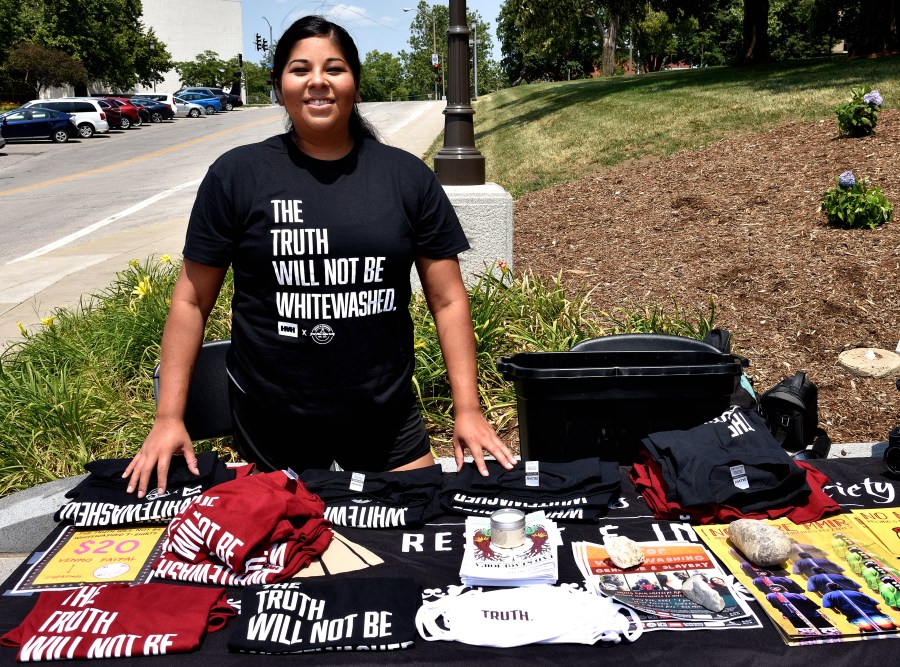
It is crucial for non-native people to learn this history, to know how this country developed, so we can all begin to heal. We can’t do that as long as we remain within the boundaries of whitewashed colonial stories. This is important context for dealing with rapidly evolving environmental chaos. Because a return to Indigenous practices and relationships with Mother Earth and all our relations is, I believe, the way to adapt to continuing, deepening collapse.

An earlier blog post was about anti-racism education in Iowa. https://landbackfriends.com/2021/09/15/unban-anti-racism-education-in-iowa/
The Great Plains Action Society youth organizers and experts across Iowa weigh in on white supremacy and the ban on Critical Race Theory. The bans on Critical Race Theory across the country are one of many examples of efforts to whitewash the truth.


The following story was just published:

PIERRE, S.D. — Facing bipartisan pressure and calls for her resignation by the South Dakota Education Equity Coalition, South Dakota Gov. Kristi Noem told the state Department of Education to postpone controversial changes to its social studies standards for up to one year to allow for more public input.

Tribes from across South Dakota voiced their ire last month after officials from Noem’s South Dakota Department of Education scrubbed more than a dozen Indigenous-centered learning objectives from the department’s new social studies standards before releasing the document to the public.

The American Indian leaders, educators and community members called the removal of the objectives “Native erasure.”

“Our children were stolen from us in past generation, forcefully assimilated or secretly buried in boarding schools under the ‘kill the Indian and save the Man’ ideologies, and it would seem that the task to erase them has not ended under Governor Kristi Noem’s administration and leadership,” Cheyenne River Sioux Tribe Chairman Harold Frazier said in August.

Under Pressure, S.D. Gov. Noem Delays Social Studies Standards That Erase Native History by Levi Rickert, Native News Online, Sept 22, 2021

Following are two sections of the Alberta Teaching Standard that relate to First Nations, Métis and Inuit peoples.

Quality teaching occurs when the teacher’s ongoing analysis of the context, and the teacher’s decisions about which pedagogical knowledge and abilities to apply, result in optimum learning for all students.

The professional practice of all Alberta teachers is guided by the Teaching Quality Standard (TQS). This standard is the basis for certification of all Alberta teachers and holds them accountable to the profession and to the Minister of Education.

Establishing Inclusive Learning Environments

A teacher establishes, promotes and sustains inclusive learning environments where diversity is embraced and every student is welcomed, cared for, respected and safe.

Achievement of this competency is demonstrated by indicators such as:

a. fostering equality and respect with regard to rights as provided for in the Alberta Human Rights Act and the Canadian Charter of Rights and Freedoms;
b. using appropriate universal and targeted strategies and supports to address students’ strengths, learning challenges and areas for growth;
c. communicating a philosophy of education affirming that every student can learn and be successful;
d. being aware of and facilitating responses to the emotional and mental health needs of students;
e. recognizing and responding to specific learning needs of individual or small groups of students and, when needed, collaborating with service providers and other specialists to design and provide targeted and specialized supports to enable achievement of the learning outcomes;
f. employing classroom management strategies that promote positive, engaging learning environments;
g. incorporating students’ personal and cultural strengths into teaching and learning; and
h. providing opportunities for student leadership

Applying Foundational Knowledge about First Nations, Métis and Inuit

A teacher demonstrates an understanding of and adherence to the legal frameworks and policies that provide the foundations for the Alberta education system.

Achievement of this competency is demonstrated by indicators such as:

a. understanding the historical, social, economic and political implications of:
• treaties and agreements with First Nations;
• legislation and agreements negotiated with Métis; and
• residential schools and their legacy;
b. supporting student achievement by engaging in collaborative, whole school approaches to capacity building in First Nations, Métis and Inuit education;
c. using the programs of study to provide opportunities for all students to develop a knowledge and understanding of, and respect for, the histories, cultures, languages, contributions, perspectives, experiences and contemporary contexts of First Nations, Métis and Inuit; and
d. supporting the learning experiences of all students by using resources that accurately reflect and demonstrate the strength and diversity of First Nations, Métis and Inuit.

Alberta Teaching Standard


For its part, NABSHC—an organization that has been at the helm of increasing public awareness on boarding schools since its founding nearly a decade ago—in 2020 released its first ever Truth and Healing Curriculum. The curriculum, available for free online, is made up of four lessons on Indian Boarding Schools focusing on history, impacts, stories, and healing.