Listen with open ears

These past several days have brought attention to the concepts of truth and reconciliation as the land known as Canada held its first observation of the National Day for Truth and Reconciliation.

September 30th was also Orange Shirt Day, which focuses on those who were forced to attend the Indian Boarding Schools, those institutions of forced assimilation.

Orange Shirt Day is a legacy of this project.  As spokesperson for the Reunion group leading up to the events, former student Phyllis (Jack) Webstad told her story of her first day at residential school when her shiny new orange shirt, bought by her grandmother, was taken from her as a six-year old girl.  

The annual Orange Shirt Day on September 30th opens the door to global conversation on all aspects of Residential Schools. It is an opportunity to create meaningful discussion about the effects of Residential Schools and the legacy they have left behind.  A discussion all Canadians can tune into and create bridges with each other for reconciliation.  A day for survivors to be reaffirmed that they matter, and so do those that have been affected.  Every Child Matters, even if they are an adult, from now on.

It all started right here in the Cariboo, and as a result, School District No. 27 was  chosen by the First Nations Education Steering Committee (FNESC) to pilot curriculum changes for all Grade 5 and Grade 10 students reflecting the residential school experience, which have now been implemented province-wide. 

On this day of September 30th, we call upon humanity to listen with open ears to the stories of survivors and their families, and to remember those that didn’t make it.

The Story of Orange Shirt Day

On this day of September 30th, we call upon humanity to listen with open ears to the stories of survivors and their families, and to remember those that didn’t make it.

the story of Orange Shirt Day

What does it mean to listen with open ears? This implies that we often do not really listen. When was the last time you changed anything based upon what you were hearing? James Allen says, “we need to radically rethink the stories we tell ourselves”. As my friend Lucy Duncan says here, we white Quakers believe a number of myths. Listening with open ears requires a conscious effort to jump over the barriers of those myths we tell ourselves.

During our gatherings for Quaker meetings for worship we listen for the voice of the Creator. Are we really open to the leadings of the Spirit? Are we looking past the myths? Are we listening with open ears? And then do we have the courage to do what the Spirit is asking of us?

“We White Quakers like to revel in our myths about ourselves. These include “we were all abolitionists”; “we all worked on the Underground Railroad”; and “none of us were slaveholders.” Often there are kernels of truth in myths, but the truth is more complex. Myths exist to veil the complexity and contradictions of our history, to obfuscate the differences between who we think we are and who we really are and have been… Perhaps the revolutionary Quaker faith we imagine ourselves to inhabit has never really existed, and if we tell the whole truth and commit to the healing the truth-telling calls us to, perhaps together we can embody and create the prophetic religion we thirst for. –Lucy Duncan, “A Quaker Call to Abolition and Creation”

Query: What myths are you facing? What truths are you embracing?


If we are to find a new kind of good life amid the catastrophes these myths have spawned, then we need to radically rethink the stories we tell ourselves. We need to dig deep into old stories and reveal their wisdom, as well as lovingly nurture the emergence of new stories into being. This will not be easy. The myths of this age are deeply rooted in our culture. The talking heads (even the green ones) echo these myths with the dogmatic fervour of zealots. They talk of “saving the planet” through transitioning to a “sustainable” future, primarily through new renewable energy technologies. They seem only able to conceive of a good life that mirrors our lives more or less as they are now, where the living standard continues to improve and rate of consumption continues to grow, yet somehow decoupled from all the pollution, destruction and guilt.

Pontoon Archipelago or: How I Learned to Stop Worrying and Love Collapse By James Allen, originally published by Medium, June 18, 2019


I think about what I want for my children and grandchildren. What I want
for them is to be loved and love other people in this country. Not to tolerate
them, not to go to our respective corners and stop hurting each other, but
to be wrapped up and engaged in each other’s lives.

Douglas White
Kwulasultun (Coast Salish name), Tliishin (Nuu-chah-nulth name),
Director of the Centre for Pre-Confederation Treaties and Reconciliation
(VIU), former Chief of Snuneymuxw First Nation

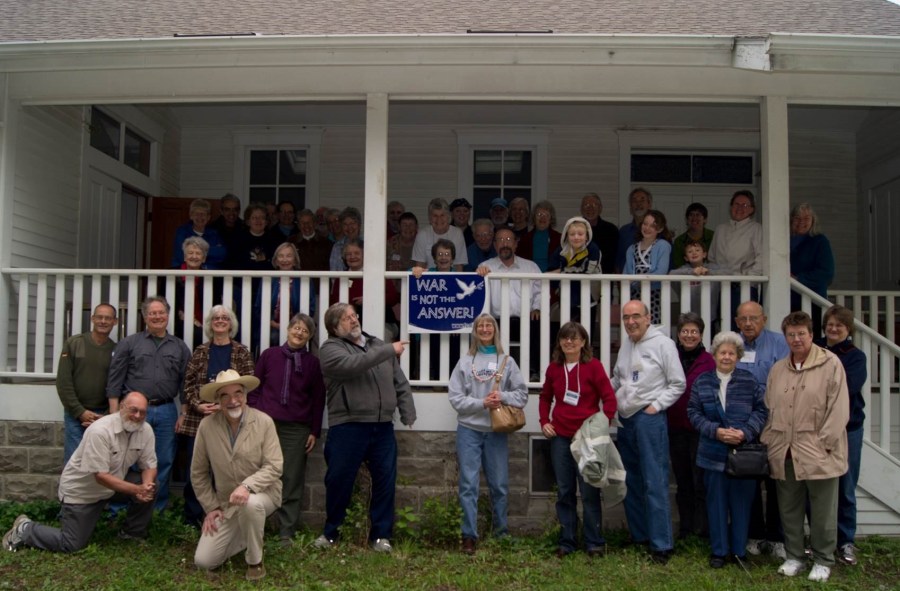
Orange Shirts and Wet’suwet’en Arrests

It is good that the land called Canada went through years of work related to the Indigenous residential schools. Passed legislation and budgeted funds. Has designated September 30th as the National Day for Truth and Reconciliation, celebrated for the first time a few days ago. Many wore orange shirts that symbolize the children who were forced to go to those schools.

The Truth and Reconciliation Commission ran from 2008 to 2015 and provided those directly or indirectly affected by the legacy of the Indian Residential Schools policy with an opportunity to share their stories and experiences. The National Centre for Truth and Reconciliation has become the permanent archive for the statements, documents and other materials the Commission gathered, and its library and collections are the foundation for ongoing learning and research.

The Commission released its final report detailing 94 calls to action. The National Day for Truth and Reconciliation is a direct response to Call to Action 80, which called for a federal statutory day of commemoration. https://www.canada.ca/en/canadian-heritage/campaigns/national-day-truth-reconciliation.html

And yet, the Canadian government and the Royal Canadian Mounted Police continue to harass and arrest Wet’suwet’en land defenders.


As Wet’suwet’en members of Cas Yikh and their supporters maintain control of a Coastal GasLink drill site that threatens their unceded territories, the RCMP has utilized excessive use of force and torturous pain compliance for an hour on a land defender. This is happening as the “National Day of Truth and Reconciliation” takes place across Canada today, putting on full display the ongoing colonialism that Indigenous peoples are facing. Gidimt’en Checkpoint

The world is on the brink of climate catastrophe and all people must rise up to protect what little is left for future generations.

Sleydo’


GIDIMT’EN CHECKPOINT CONDEMNS VIOLENT ARRESTS OF LAND DEFENDERS ON THE FIRST “NATIONAL DAY OF TRUTH AND RECONCILIATION”

September 30, 2021
FOR IMMEDIATE RELEASE

SMITHERS, BC: As Wet’suwet’en members of Cas Yikh and their supporters maintain control of a Coastal GasLink drill site that threatens their unceded territories, the RCMP has utilized excessive use of force and torturous pain compliance for an hour on a land defender. This is happening as the “National Day of Truth and Reconciliation” takes place across Canada today, putting on full display the ongoing colonialism that Indigenous peoples are facing.

These actions follow an earlier arrest on the morning on September 25, a supporter was tasered and arrested on the road to the drill pad site where CGL plans to drill under Wedzin Kwa river. In a video, the supporter’s screams for help are audible during the violent arrest.

In addition, Wet’suwet’en Hereditary Chiefs were denied access to their own lands and threatened with arrest, but they held their ground. Cas Yikh members of the Wet’suwet’en nation and their supporters are still holding strong in opposition to this destruction and violence.

Sleydo’, Gidimt’en Checkpoint Spokesperson, states “On the National Day of Truth and Reconciliation, reconciliation is dead. The government, industry, and police are still invading our yintah. The authority of the Wet’suwet’en hereditary house and clan system was verified in the historic Delgamuukw and Red Top court decisions, but our hereditary system continues to be disrespected by BC and Canada.”

Under ‘Anuc niwh’it’en (Wet’suwet’en law) all Hereditary Chiefs of the five clans of the Wet’suwet’en have unanimously opposed all pipeline proposals and have not provided free, prior, and informed consent to Coastal Gaslink to drill on Wet’suwet’en lands.

Sleydo’ further states, “Coastal GasLink (CGL) is the one trespassing on our yintah with their plans for a 670-kilometer fracked gas pipeline. They are trying to drill under the Wedzin Kwa river, the sacred headwaters that feeds all of Wet’suwet’en territory and gives life to our nation. Days ago, CGL destroyed our ancient village and cultural heritage site, Ts’elkay Kwe. We refuse to allow this destruction to continue and are now blockading CGL. Our Chiefs – not CGL or Canada – have full jurisdiction on our yintah.”

If any true reconciliation is to be achieved all levels of government must honour the authority of Wet’suwet’en Hereditary Chiefs. The public must be made aware of the lengths to which the government and industry will go to suppress our rights and title. This has always been a fight for access to resources, as brought to light by the Narwhal last year. We have always known this to be the case, and through the exposure there is proof of the provincial governments’ plan to use federal money meant for Residential School Survivors, because they know how strong that decision was.

According to Sleydo’: “The world is on the brink of climate catastrophe and all people must rise up to protect what little is left for future generations. We invite supporters to come to Cas Yikh territory and stand with us. We raise our hands to the brave people at Ada’itsx (Fairy Creek), who have just defeated Teal Cedar Products Ltd.’s injunction. The RCMP are using the same violent tactics to intimidate and criminalize peaceful land defenders here. We are united in the struggle to defend our lands, our waters, our homes.”

Over 1,100 people were arrested at Fairy Creek, all for the immoral enforcement of an injunction to allow a company to log old-growth forests. Justice Douglas Thompson found that RCMP enforcement, through the use of the specially formed Community Industry Response Group (CIRG), led to “serious and substantial infringement of civil liberties”. It is concerning that CIRG, who had previously been unlawfully occupying Wet’suwet’en territory and harassing Wet’suwet’en people, may now turn its sights from Ada’itsx back to Wet’suwet’en territories.

As the rest of the nation wears orange shirts the Wet’suwet’en people will be upholding our laws and enacting our title and rights out on the yintah, protecting Wedzin Kwa.

Follow Gidimt’en Checkpoint
For further information please go to: yintahaccess.com

Listen…to the story

Many tragic stories were told yesterday, the first National Day for Truth and Reconciliation in the land called Canada. Although rooted in tragedy, it felt like the time has come to begin to bring these stories into the light. A sense of relief, in a way, that these deeply buried traumas are being told. Yet also triggering grief as these memories are revisited. Telling and listening to these stories are the truth part of truth and reconciliation.

People can be transformed by being open and human. We believe that people have a need to be heard, but how they are heard really matters – if they take the risk of telling their story, it needs to make a difference.

Denise Altvater

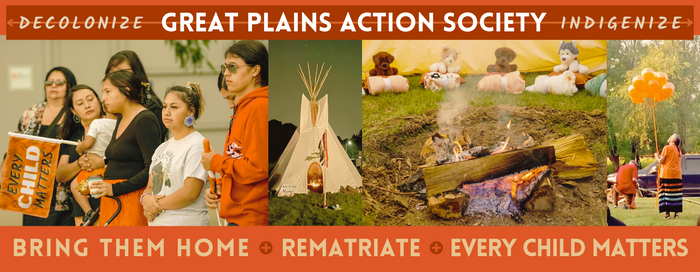
And yesterday was Orange Shirt Day. The following is from my friends of the Great Plains Action Society.


My friend Lucy Duncan wrote the following years ago, on the occasion of the seating of the Maine-Wabanaki Truth and Reconciliation Commission.

Listen…to the story

All they knew was the reservation
The bit of land that wasn’t stolen
They lived surrounded by the sea
The few that had survived
They were poor, but this was home

One day, the state came
No one said where they were going
They rode in a car for the first time
Taken from all they knew, and from those they loved
To strange homes and ways
Where some were cared for, others beaten and broken
But either way, they longed for home, for the places they belonged
Taken far from who they were, far from their heart mother
Into places that would demand that they forget
But the heart keeps beating like a drum

Hard won, the journey home has begun
With each story told of the pain of separation, of loss, of hurt
With each story held lovingly
And carried with tenderness by those who listen
They are slowly coming home
Home to look each other in the eye and say, “I see you.”
Home to family lost
Home to ways of being that rest on their limbs like skin

As each story is told, another story rises
A mother tells of being taken
A son tells how her hurts were passed on to him
How he passed them on to his children
Recognition comes, the hurts so deep begin to heal
The children waiting to be born will learn the story
But not carry this deep weight of pain

The stories together
Tell the whole truth
The truth that stings as it heals
And maybe, just maybe, if all of us can hear
In our bones, in our being
Even those descended from the ones who plotted decimation
We will remember
To honor the mother, all mothers
To honor the land, all land
To honor the Spirit, rising

Shh…. listen….

Lucy Duncan

The journey home: a prayer for healing by Lucy Duncan, American Friends Service Committee, Feb 7, 2013

National Day for Truth and Reconciliation

Today, Sept 30, 2021, is the first National Day for Truth and Reconciliation in the country known as Canada. There is a lot of publicity now related to the institutions of forced assimilation. The remains of thousands of children being located by ground penetrating radar on the grounds of those institutions. Articles about the history of the residential schools, stories of those who attended, those who never returned. The suffering of those living today who are survivors of those schools. Those suffering today from the intergenerational trauma that has passed from generation to generation.

And the suffering continuing today as the Royal Canadian Mounted Police side with Coastal GasLink pipeline employees as they forced construction through Wet’suwet’en territory (video below)

These stories and events should be told by those who have been affected. People can re-traumatized. You can hear some of those stories in the following.

The National Residential School Crisis Line 1-866-925-4419

Included below are:

  • the reports from the Truth and Reconciliation Commission and its calls to action
  • the video from CBC/Radio, We Know the Truth: Stories to inspire reconciliation
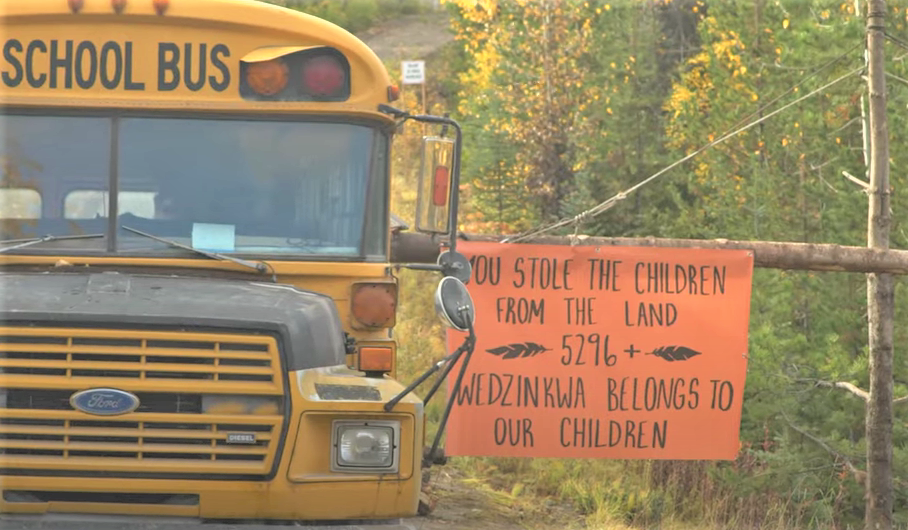
  • and a video of the Royal Canadian Mounted police painfully removing a land defender locked under a bus on the Wet’suwet’en territory. There cannot be reconciliation when the government continues to enforce construction of pipelines through Indigenous lands.

National Day for Truth and Reconciliation

September 30, 2021 marks the first National Day for Truth and Reconciliation.

The day honours the lost children and Survivors of residential schools, their families and communities. Public commemoration of the tragic and painful history and ongoing impacts of residential schools is a vital component of the reconciliation process.

The creation of this federal statutory holiday was through legislative amendments made by Parliament. On June 3, 2021, Bill C-5, An Act to amend the Bills of Exchange Act, the Interpretation Act and the Canada Labour Code (National Day for Truth and Reconciliation) received Royal Assent.

Commemorating National Day for Truth and Reconciliation
Illuminating Parliament Hill

To commemorate the National Day for Truth and Reconciliation and to honour the Survivors, their families and communities, buildings across Canada will be illuminated in orange September 29 and/or September 30, from 7:00 pm to sunrise the next morning. This will include federal buildings such as the Peace Tower on Parliament Hill.

Truth and Reconciliation Week

This 5-day, bilingual educational event will include programming designed for students in grades 5 through 12 along with their teachers and feature Indigenous Elders, youth and Survivors. The event will be pre-recorded and webcasted, allowing for schools and classrooms participation from across the country and the involvement of Indigenous and non-Indigenous students.

National Day for Truth and Reconciliation Broadcast

A 1-hour bilingual primetime show in partnership with, and broadcast on, CBC/Radio-Canada and APTN will be devoted to the National Day for Truth and Reconciliation. Programming will include presentations on the importance of this day as well as cultural and artistic performances in support of healing and giving voices to Indigenous peoples.

APTN Sunrise Ceremony

APTN will present pre-taped Sunrise ceremony featuring drummers, singers, Elders and various Indigenous traditions.

Truth and Reconciliation Commission and its calls to action

There were 140 federally run Indian Residential Schools which operated in Canada between 1831 and 1998. The last school closed only 23 years ago. Survivors advocated for recognition and reparations and demanded accountability for the lasting legacy of harms caused. These efforts culminated in:

The Truth and Reconciliation Commission ran from 2008 to 2015 and provided those directly or indirectly affected by the legacy of the Indian Residential Schools policy with an opportunity to share their stories and experiences. The National Centre for Truth and Reconciliation has become the permanent archive for the statements, documents and other materials the Commission gathered, and its library and collections are the foundation for ongoing learning and research.

The Commission released its final report detailing 94 calls to action. The National Day for Truth and Reconciliation is a direct response to Call to Action 80, which called for a federal statutory day of commemoration.


On the inaugural National Day of Truth and Reconciliation, we’re introducing Canadians to Indigenous people who are flipping the conversation on reconciliation.

We Know the Truth: Stories to inspire reconciliation.

CBC/Radio is a Canadian public broadcast service.

There were also residential schools in the land called the United States. Secretary of the Interior, Deb Haaland, has initiated an investigation of these institutions of forced assimilation and the remains of the children.

Today only, Jason Eaglespeaker is making his graphic novels (there are three versions) “UNeducation, Vol 1: A Residential School Graphic Novel” available free of charge.


There cannot be reconciliation when the government continues to enforce construction of pipelines through Indigenous lands

How incredible is it that the Royal Canadian Mounted police continue to attack land defenders resisting the construction of the Coastal GasLink pipeline through the Wet’suwet’en lands in British Columbia?


Gidimt’en Access Point

On September 27th, a land defender blocking a fracked gas pipeline was tortured by police.

This is the second arrest at the drill pad site access road, where Coastal Gaslink (CGL) plans to drill under Wedzin Kwa (Morice River), the sacred headwaters on Wet’suwet’en yintah. The arrest was brutal.

The RCMP officers used “pain compliance” for an hour on the person locked under the bus in a hard lock, insisting the person just let go, which very clearly they were not able to do.

The RCMP then had CGL contractors, instead of an extraction team, come in to extract the person. The injunction very clearly states that RCMP are the only ones to enforce the injunction. This is in violation of that.

This comes on the heels of the RCMP being at fault for the injunction renewal denial for the Fairy Creek defence based on their tactics against peaceful people.

Tomorrow is the “National Day of Truth and Reconciliation” in Canada, and here we clearly see that violence and forced removal from Indigenous lands are on full display.

This is about our yintah (land). It always has been. They have been trying to steal our lands and resources since contact and they will bulldoze and torture their way through to get it, because all they care about is money. We will never give up. Join us. Yintahaccess.com

CW: VIOLENT ARREST OF LAND DEFENDER
https://youtu.be/h4gK5scLMhk

UNeducate Yourself!

I have purchased a number of books and graphic novels from Jason Eaglespeaker. https://www.eaglespeaker.com/

In honor of National Day for Truth & Reconciliation (September 30th, in Canada), Jason is offering all three versions of UNeducation, A Residential School Graphic Novel, Vol 1 for free! See where to get them below. This offer is good for September 30th only. The three versions are explained below. There is a PARENTAL ADVISORY regarding the uncut version.

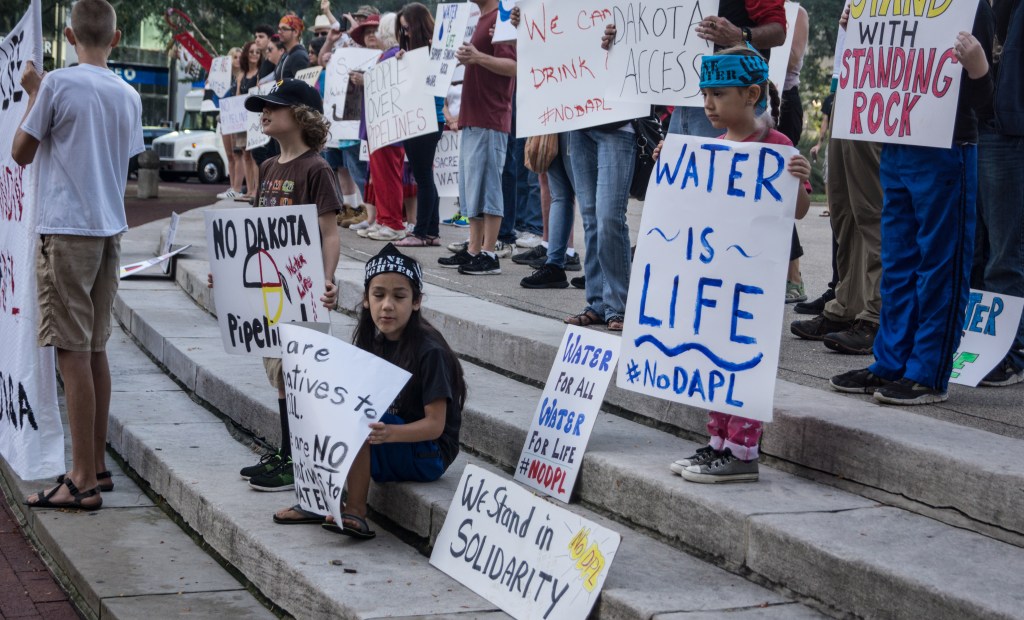
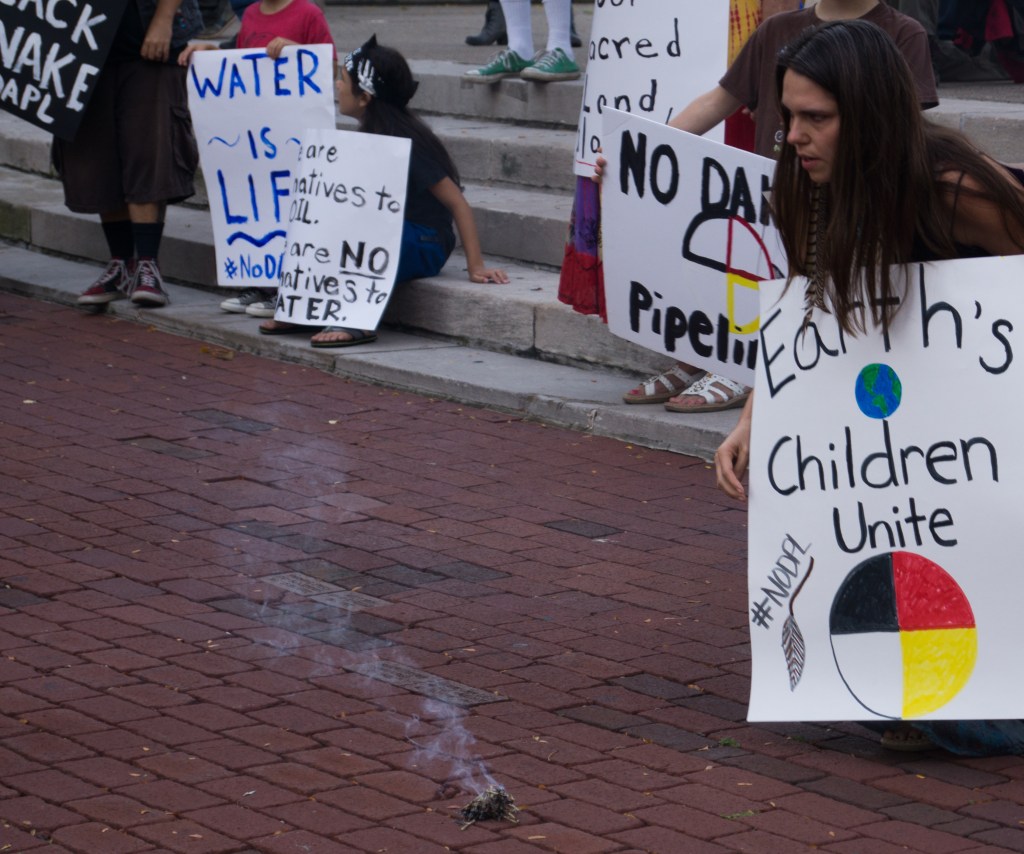
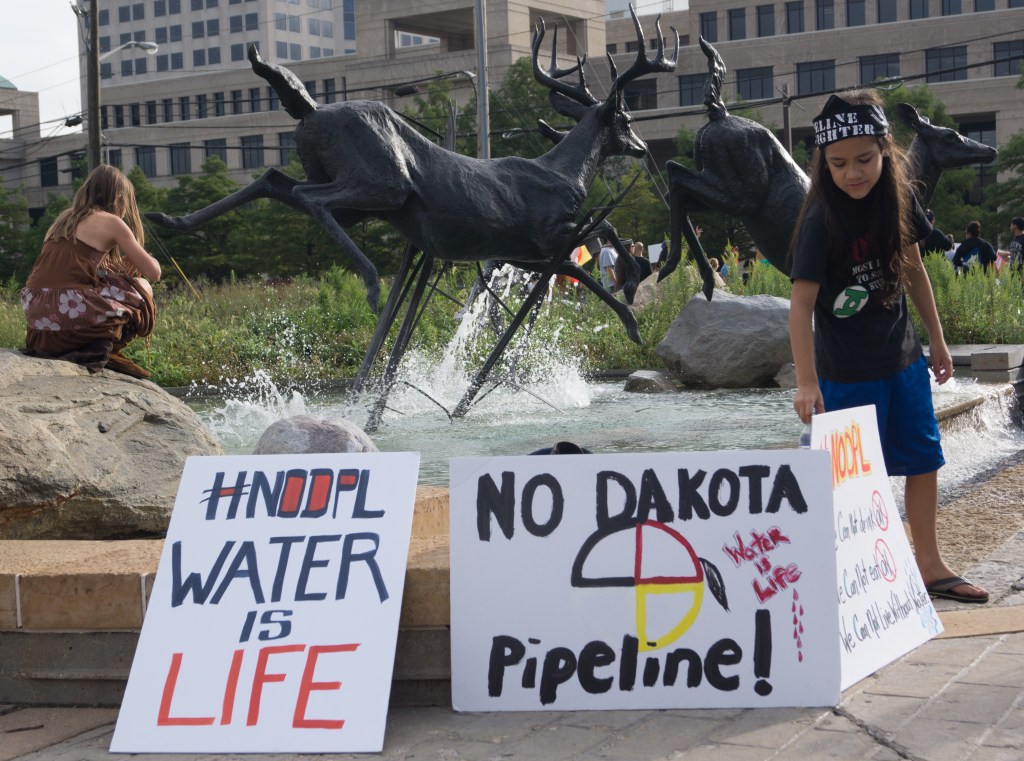
Jason and I corresponded about one of his books, Young Water Protectors, A Story About Standing Rock by Aslan Tudor. I hadn’t realized it at the time, but I got a few photos of Aslan when we were both at a gathering in Indianapolis related to the Dakota Access pipeline.

978-1723305689-backcover.jpg

This is a link to a story about Aslan and the book. New book about Standing Rock written from child’s perspective by Rhiannon Johnson, CBC News, Aug 25, 2018

You may have heard about, read about or even own the book that started it all – “UNeducation, Vol 1: A Residential School Graphic Novel”. Launched over 10 years ago, from one single handmade copy, UNeducation is now in libraries, schools, universities and retailers throughout North America and beyond.

It comes in three versions:
In honor of National Day for Truth & Reconciliation (September 30th, in Canada), you can get all three versions of UNeducation, Vol 1 for free!

Simply use the links below to head to the download pages:

UNeducation UNcut – for the mature reader
*eBook version, requires free Kindle App to read
**free download ends Sept 30th at midnight
Amazon USA
Amazon Canada

UNeducation PG – for the sensitive reader (schools choose this one)
*eBook version, requires free Kindle App to read
**free download ends Sept 30th at midnight
Amazon USA
Amazon Canada

UNeducation A Coloring Experience – for youth and adults
Download from my website  

Orange Shirt Day

I’m saddened by the disconnect between Canada’s years of work on truth and reconciliation related to institutions of forced assimilation of Indigenous children and the ongoing militarized response by the government against the Wet’suwet’en peoples (see the tweets at the end for updates).

The investigation related to the remains of Indigenous children on the grounds of residential schools in the US is beginning. And yet, as in Canada, multiple fossil fuel projects continue to be approved. There is increasing resistance to the construction of these pipelines. And a new class of pipelines related to carbon capture are proposed.

Orange Shirt Day will also be observed tomorrow in Canada.


The Orange Shirt Story began in May 2013 during the Truth and Reconciliation Hearings in Williams Lake BC. At that time Kukpi7 Fred Robbins of the Esketemc enlisted the support of the local School District, Regional Government and the Municipalities of the Cariboo, to both honour the survivors of Residential Schools and raise awareness of the Residential School system among the people of the Cariboo. This is the story of Kukpi7 Fred Robbins time at Residential School, the Commemoration events that were organized, and the hopes for the future that Kukpi7 Fred Robbins envisioned. – WARNING Sensitive Content

https://www.canada.ca/en/canadian-heritage/campaigns/national-day-truth-reconciliation.html

Leading up to September 30, the “National Day of Truth and Reconciliation” we need to send the message that things have to change and they have to change NOW.

#WetsuwetenStrong #NoTrespass #WedzinKwa #CGLofftheYintah #Sovereignty #Solidarity #DefendTheYintah #WeAreAllOne #IndigenousSovereignty #TraditionalGovernance

National Day for Truth and Reconciliation

The first National Day for Truth and Reconciliation in Canada will be September 30. A schedule of events can be found here.

With the attention on the deaths of children in the native residential schools in the land called the United States, we are learning more about these atrocities here. Secretary of the Interior, Deb Haaland, has initiated an investigation of the institutions of forced assimilation in the U.S.

Canada went through an eight-year process to learn what happened in the residential schools there, the Truth and Reconciliation Commission of Canada (TRC). Quakers of the Canadian Yearly Meeting have been very involved in that process and ongoing work for reconciliation.

In 2007 the Truth and Reconciliation Commission of Canada (TRC) was established “to learn the truth about what happened in the residential schools and to inform all Canadians about what happened in the schools.”

In 2015 the Truth and Reconciliation Commission released its Final Report and 94 Calls to Action. TRC Chief Commissioner Murray Sinclair said, “We have described for you a mountain, we have shown you the path to the top. We call upon you to do the climbing.”

In 2011, Canadian Yearly Meeting, the national body of Canadian Quakers, had called on Quakers to actively engage in reconciliation efforts:

We are being invited by the Indigenous peoples of Canada as represented by the Indian Residential School Survivors, through the Indian Residential School Survivors Settlement Agreement, to enter a journey of truth finding and reconciliation. We encourage all Friends, in their Meetings for Worship and Monthly and Regional Meetings, boldly to accept this invitation and to engage locally, regionally, and nationally, actively seeking ways to open ourselves to this process…”

Truth and Reconciliation, Canadian Friends Yearly Meeting.

Truth and Reconciliation Commission of Canada

The Truth and Reconciliation Commission (TRC) provided those directly or indirectly affected by the legacy of the Indian Residential Schools system with an opportunity to share their stories and experiences.

About the Truth and Reconciliation Commission

The Indian Residential Schools Settlement Agreement, the largest class-action settlement in Canadian history, began to be implemented in 2007. One of the elements of the agreement was the establishment of the Truth and Reconciliation Commission of Canada to facilitate reconciliation among former students, their families, their communities and all Canadians.

The official mandate (PDF) of the TRC is found in Schedule “N” of the Settlement Agreement which includes the principles that guided the commission in its important work.

Between 2007 and 2015, the Government of Canada provided about $72 million to support the TRC’s work. The TRC spent 6 years travelling to all parts of Canada and heard from more than 6,500 witnesses. The TRC also hosted 7 national events across Canada to engage the Canadian public, educate people about the history and legacy of the residential schools system, and share and honour the experiences of former students and their families.

The TRC created a historical record of the residential schools system. As part of this process, the Government of Canada provided over 5 million records to the TRC. The National Centre for Truth and Reconciliation at the University of Manitoba now houses all of the documents collected by the TRC.

In June 2015, the TRC held its closing event in Ottawa and presented the executive summary of the findings contained in its multi-volume final report, including 94 “calls to action” (or recommendations) to further reconciliation between Canadians and Indigenous peoples.

In December 2015, the TRC released its entire 6-volume final report. All Canadians are encouraged to read the summary or the final report to learn more about the terrible history of Indian Residential Schools and its sad legacy.

To read the reports, please visit the National Centre for Truth and Reconciliation website.

What does reconciliation mean to Collin?

Many settlers wish they could ask Indigenous people questions about reconciliation without appearing foolish or rude. Canadian Friends Service Committee knows that not every settler has the opportunity to have open dialogue with Indigenous friends and neighbours. This is why we want to give you a chance to hear the answers to some important questions from some of our Indigenous partners, people that we work closely with and trust to give us honest responses, and who trust us enough to engage with this project!

Collin Orchyk is from Treaty 1, Peguis First Nation, Manitoba. Collin is a student in the Indigenous education program at the University of British Columbia and a former Youth Reconciliation Leader for Canadian Roots Exchange. He is also a singer/songwriter and has provided all background music for the videos in the Indigenous Voices on Reconciliation Series. Learn more at quakerservice.ca/reconciliation

More Indigenous voices on reconciliation

Quaker Paula Palmer and Friends Peace Teams have done years of work related to Right Relationship with Native Americans.
https://friendspeaceteams.org/trr/

A young Tohono Oʼodham man said in one of our workshops, “No one here today made these things happen, but we are the ones who are living now. And we’re all in this together.” And I think that’s what we need to hear. No one here today made all of these things happen, but we are the ones who are living now. So what are our opportunities to work with indigenous peoples, to engage them, to ask them, “What would right relationship look like?” Paula Palmer

How to watch and listen to National Day for Truth and Reconciliation on CBC

Tune into a day of special programming across all CBC platforms to honor the first National Day for Truth and Reconciliation on September 30

CBC is marking the first National Day for Truth and Reconciliation with a full day of programming and content showcasing First Nations, Métis and Inuit perspectives and experiences across CBC TV, CBC News Network, CBC.ca, CBC Kids, CBC Radio One and CBC Music including a commercial-free, primetime broadcast special, National Day for Truth and Reconciliation.

How to watch and listen

All Day:

An Indigenous-led team of journalists will deliver timely news features and special reports throughout the day from the CBC News investigating Residential Schools on THE NATIONALCBC NEWS NETWORKWORLD REPORTTHE WORLD AT SIX and CBC.ca/Indigenous

Thursday, September 30 at 8 p.m. local time (9 p.m. AT, 9:30 p.m. NT)

NATIONAL DAY FOR TRUTH AND RECONCILIATION – In recognition of the new federal statutory holiday, also known as Orange Shirt Day, this unique one-hour, commercial-free primetime special — hosted by JUNO Award-winning artist Elisapie — honours the stories and perspectives of Indigenous Peoples affected by the tragedies of the residential school system in Canada, with musical tributes and ceremonies in Indigenous communities across the land. The broadcast special is conceived and created by The National Centre for Truth and Reconciliation (NCTR) hosted by the University of Manitoba and produced by NCTR in collaboration with Insight Productions, in association with CBC/Radio-Canada and APTN. The one-hour national special will broadcast on CBC TV, CBC Gem, CBC Radio One and CBC Listen.

WATCH: Thursday, September 30 at 9 p.m. on CBC and CBC Gem

WE KNOW THE TRUTH: STORIES TO INSPIRE RECONCILIATION – A CBC Manitoba documentary that recasts Canada’s history and future through the empowerment of Indigenous Peoples. Meet the people who are challenging the history of Canada and residential schools, and creating change on their own terms. Reflect with residential school survivors and be inspired by those who are working hard to keep their culture and languages alive.

LISTEN: Saturday, September 25 at 4 p.m. and Tuesday, September 28 at 1 p.m. on CBC Radio One

UNRESERVED – Join Rosanna Deerchild on Unreserved for a revealing, poignant and emotional conversation with the Honorable Justice Murray Sinclair, former Senator and Lead Commissioner of the Truth and Reconciliation Commission. In this intimate, hour-long interview they discuss reconciliation⁠ — how far we’ve come, how far we have left to go and who is responsible for taking the journey.

LISTEN: Thursday, September 30 at 10 a.m. on CBC Radio One

Q – Tom Power speaks with Alanis Obomsawin, one of the most accomplished documentary filmmakers in Canada, and one of the most acclaimed Indigenous filmmakers in the world. She is the winner of the Glenn Gould Prize, the prestigious award given for a unique lifetime contribution that has enriched the human condition through the arts. She was also honoured at this year’s Toronto International Film Festival with a career retrospective of her work called ‘Celebrating Alanis Obomsawin’. The video interview with Alanis Obomsawin will be available on cbc.ca/q.

LISTEN: Thursday, September 30 at 12 p.m. noon on CBC Radio One

ANSWERING THE CALL: Stories of resistance, reclamation and resilience on Canada’s National Day for Truth and Reconciliation – Host Rosanna Deerchild explores how Canada is doing on the Truth and Reconciliation Commission’s calls to action and how First Nations across Canada are demolishing, redeveloping, and reclaiming former residential school sites. JUNO Award-winning musician William Prince will discuss the role artists play and share how his family is marking the day. Finally, retired senator Murray Sinclair, who chaired the Truth and Reconciliation Commission, offers his thoughts on the future of reconciliation in Canada.

WATCH and LISTEN: MASHKAWI-MANIDOO BIMAADIZIWIN SPIRIT TO SOAR – Available to stream in Anishinaabemowin on CBC Gem, and premiering in English on CBC TV and CBC Gem on The Passionate Eye, 9 p.m. (9:30 NT) Friday, September 24, with an encore broadcast on September 30 (2:30 p.m./ 6:30 p.m. NT)

Directed by Tanya Talaga and Michelle Derosier, MASHKAWI-MANIDOO BIMAADIZIWIN SPIRIT TO SOAR examines the hard truths around the deaths of First Nations students in Thunder Bay, truths Canada continues to ignore: racism kills, especially when it presents as indifference. It’s a look at how families and communities struggle to carry on while pursuing justice for their loved ones and equity for their people, and it follows Tanya Talaga’s personal journey as she explores her own Indigenous identity.

Also now streaming on the CBC Listen app is a companion podcast to this documentary, SPIRIT TO SOAR: WHERE WE COME FROM, a four-part podcast about four disruptions to Indigenous life, and ways to move forward together. The story is told first in Anishinaabemowin by Elder Sam Achneepineskum and then in English by Jolene Banning.

CBC Gem

THE TRUTH & RECONCILIATION COLLECTION will be available starting Sept 24 on the free CBC Gem streaming service with more than 20 documentaries and films honouring the history, heritage and diversity of First Nations, Inuit and Métis Peoples, including THE SECRET PATH, Gord Downie’s animated film that tells the true story of Chanie Wenjack and INENDI, Sarain Fox’s journey to preserve her cultural legacy by collecting stories from her family’s Matriarch.

CBC Music

Throughout the day on September 30, CBC Music will feature Indigenous artists and composers from 6 a.m. to midnight. CBCMusic.ca will offer stories in the lead up to September 30 include a feature on where Indigenous musicians have experienced moments of truth and reconciliation, an exploration of the art within protests and a collection of songs and lyrics about reconciliation.

CBC Books

Visit CBC.ca/thisplace for the CBC Books podcast, THIS PLACE. The original series, adapted from the award-winning graphic novel, explores 150 years of Indigenous resistance and resilience. Learn more with additional CBC Books content covering the 20 authors and illustrators who made the graphic novel, a cast roundup of the Indigenous actors who voiced the dramatizations and a list of some of the Indigenous heroes we meet in the series.

CBC Kids and CBC Kids News

CBC Kids News will feature an “Ask an Indigenous person anything” segment where four Indigenous people (First Nation, Inuit and Métis) under 30 meet and chat with kid contributor Isabel DeRoy-Olson to discuss reconciliation and take questions from kids across Canada. Additionally, CBC Kids News will feature two segments for a tween audience outlining what reconciliation is and why it is needed, and how to be a better ally.

CBC Kids is recognizing Sept. 30th with an hour-long special from the award-winning animated series MOLLY OF DENALI plus original content from Studio K all about Indigenous Heritage and Culture.

CBC Arts

For National Truth and Reconciliation Day, CBC Arts will be doing a special edition of the “Poetic License” video series featuring four poets including Kahsenniyo Williams from the Mohawk Nation Wolf Clan, who will be doing a piece called Decolonial Love. Also available that day, CBC Arts has a written feature that asks Indigenous curators, cultural programmers and artists to highlight a piece of art that speaks to the ideas behind Truth and Reconciliation, including contributions from writer Alicia Elliott and visual artist Adrian Stimson.

CBC Sports

CBC Sports will feature interviews and opinion pieces by and with Indigenous athletes including Hunter Lang, Michael Linklater and Kali Reis.

Click here for the link


____________________________________________________________
Questions about the titleandrightsalliance list?  Contact eneel@ubcic.bc.ca

Follow us http://twitter.com/UBCIC

Teaching Quality Standard

It is difficult to realize how close we have come to the erasure of Indigenous peoples in the lands called the United States and Canada. This is changing as Indigenous peoples are leading the struggles to protect Mother Earth.

There is also focus on Indigenous peoples as the remains of thousands of native children on the grounds of institutions of forced assimilation are found. The point of forced assimilation was the erasure of the children’s Indigenous identities and ways of living. The ultimate erasure was the death of a child.
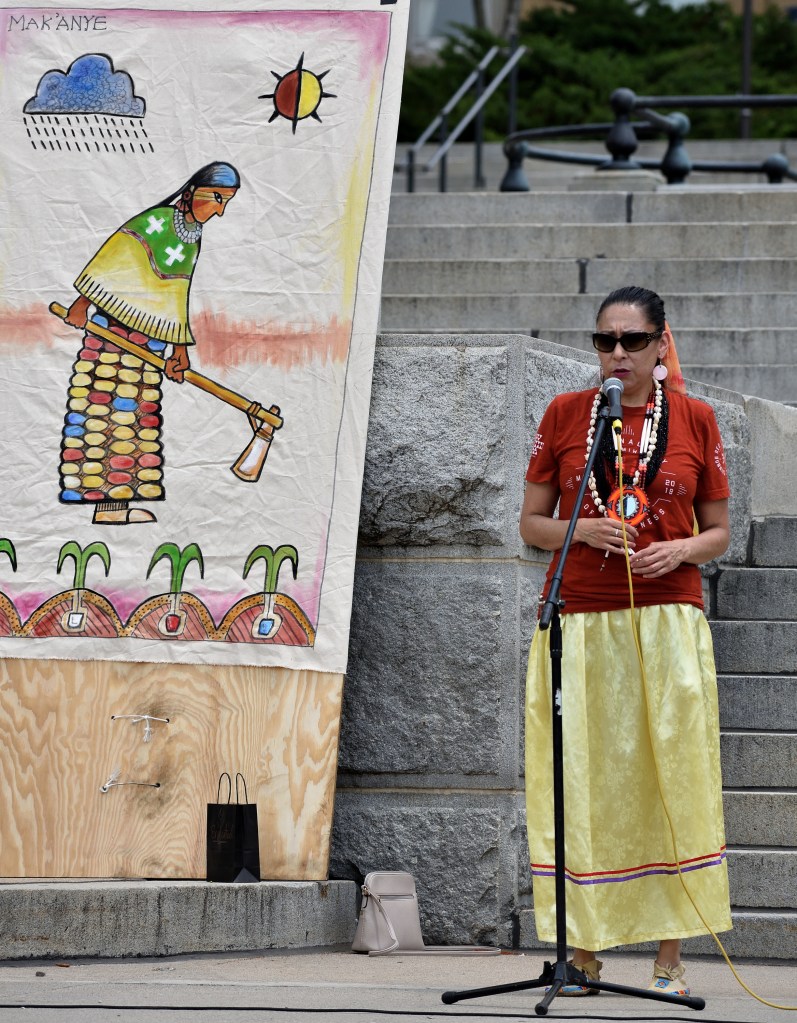
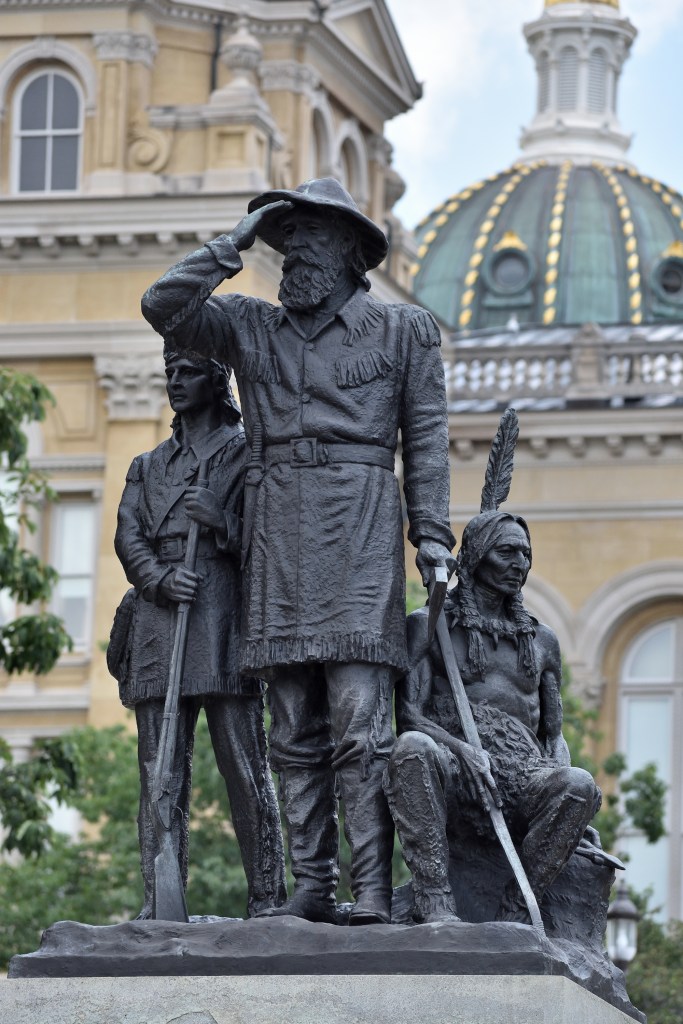
The first step in healing is education. Education of all students. Education for ourselves. This comes at a time when powerful forces are determined to maintain this erasure of Indigenous peoples’ history and culture.
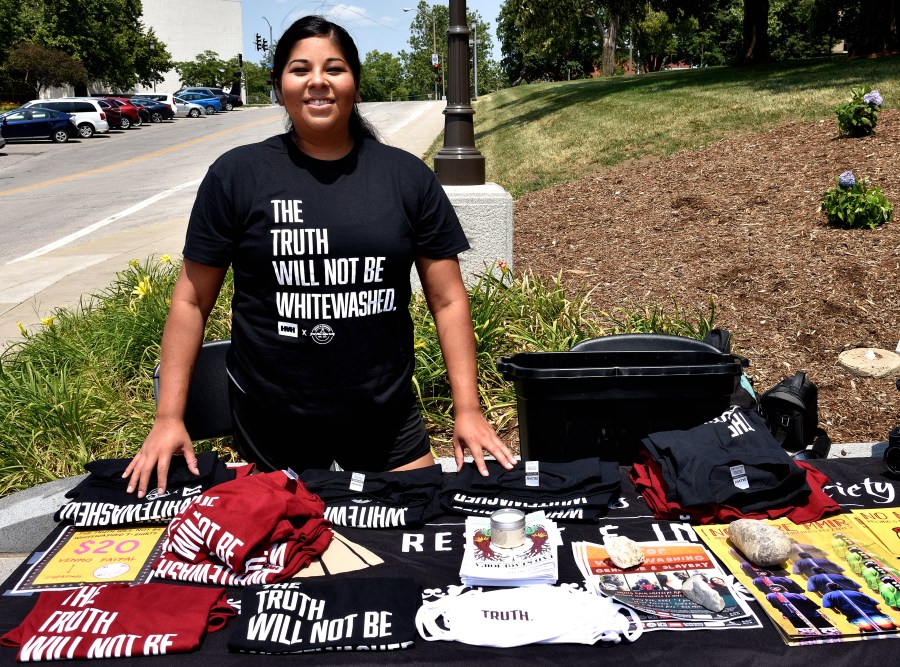
It is crucial for non-native people to learn this history, to know how this country developed, so we can all begin to heal. We can’t do that as long as we remain within the boundaries of whitewashed colonial stories. This is important context for dealing with rapidly evolving environmental chaos. Because a return to Indigenous practices and relationships with Mother Earth and all our relations is, I believe, the way to adapt to continuing, deepening collapse.

An earlier blog post was about anti-racism education in Iowa. https://landbackfriends.com/2021/09/15/unban-anti-racism-education-in-iowa/
The Great Plains Action Society youth organizers and experts across Iowa weigh in on white supremacy and the ban on Critical Race Theory. The bans on Critical Race Theory across the country are one of many examples of efforts to whitewash the truth.


The following story was just published:

PIERRE, S.D. — Facing bipartisan pressure and calls for her resignation by the South Dakota Education Equity Coalition, South Dakota Gov. Kristi Noem told the state Department of Education to postpone controversial changes to its social studies standards for up to one year to allow for more public input.

Tribes from across South Dakota voiced their ire last month after officials from Noem’s South Dakota Department of Education scrubbed more than a dozen Indigenous-centered learning objectives from the department’s new social studies standards before releasing the document to the public.

The American Indian leaders, educators and community members called the removal of the objectives “Native erasure.”

“Our children were stolen from us in past generation, forcefully assimilated or secretly buried in boarding schools under the ‘kill the Indian and save the Man’ ideologies, and it would seem that the task to erase them has not ended under Governor Kristi Noem’s administration and leadership,” Cheyenne River Sioux Tribe Chairman Harold Frazier said in August.

Under Pressure, S.D. Gov. Noem Delays Social Studies Standards That Erase Native History by Levi Rickert, Native News Online, Sept 22, 2021

Following are two sections of the Alberta Teaching Standard that relate to First Nations, Métis and Inuit peoples.

Quality teaching occurs when the teacher’s ongoing analysis of the context, and the teacher’s decisions about which pedagogical knowledge and abilities to apply, result in optimum learning for all students.

The professional practice of all Alberta teachers is guided by the Teaching Quality Standard (TQS). This standard is the basis for certification of all Alberta teachers and holds them accountable to the profession and to the Minister of Education.

Establishing Inclusive Learning Environments

A teacher establishes, promotes and sustains inclusive learning environments where diversity is embraced and every student is welcomed, cared for, respected and safe.

Achievement of this competency is demonstrated by indicators such as:

a. fostering equality and respect with regard to rights as provided for in the Alberta Human Rights Act and the Canadian Charter of Rights and Freedoms;
b. using appropriate universal and targeted strategies and supports to address students’ strengths, learning challenges and areas for growth;
c. communicating a philosophy of education affirming that every student can learn and be successful;
d. being aware of and facilitating responses to the emotional and mental health needs of students;
e. recognizing and responding to specific learning needs of individual or small groups of students and, when needed, collaborating with service providers and other specialists to design and provide targeted and specialized supports to enable achievement of the learning outcomes;
f. employing classroom management strategies that promote positive, engaging learning environments;
g. incorporating students’ personal and cultural strengths into teaching and learning; and
h. providing opportunities for student leadership

Applying Foundational Knowledge about First Nations, Métis and Inuit

A teacher demonstrates an understanding of and adherence to the legal frameworks and policies that provide the foundations for the Alberta education system.

Achievement of this competency is demonstrated by indicators such as:

a. understanding the historical, social, economic and political implications of:
• treaties and agreements with First Nations;
• legislation and agreements negotiated with Métis; and
• residential schools and their legacy;
b. supporting student achievement by engaging in collaborative, whole school approaches to capacity building in First Nations, Métis and Inuit education;
c. using the programs of study to provide opportunities for all students to develop a knowledge and understanding of, and respect for, the histories, cultures, languages, contributions, perspectives, experiences and contemporary contexts of First Nations, Métis and Inuit; and
d. supporting the learning experiences of all students by using resources that accurately reflect and demonstrate the strength and diversity of First Nations, Métis and Inuit.

Alberta Teaching Standard


For its part, NABSHC—an organization that has been at the helm of increasing public awareness on boarding schools since its founding nearly a decade ago—in 2020 released its first ever Truth and Healing Curriculum. The curriculum, available for free online, is made up of four lessons on Indian Boarding Schools focusing on history, impacts, stories, and healing.

Defend ICWA

It is difficult enough to learn about the removal, often by force, of native children from their families. And about the terrible things done to the children at the institutions of forced assimilation. The remains of thousands of children are being found on the grounds of many of those institutions. The numbers found are rapidly increasing with the use of ground penetrating radar. Indigenous peoples say these findings confirm what they already know. Thousands of children never returned to their families.

The explanation given was the children were being taught how to fit into white culture. It wasn’t until recently that I realized the intentional cruelty was the point. To break the resistance of tribes to removal from their lands. The cruelty worked.

As those institutions were eventually closed, children continued to be removed by state welfare systems. Often to be placed with non-native families.

The era of assimilative U.S. Indian boarding schools started to wane and eventually came to a close after government reports like the Meriam Report (1928) and the Kennedy Report (1969) found mistreatment and abuse to be rampant at the costly institutions. During this time, the federal government shifted its assimilative methods, using the Indian Adoption Project to transfer Native children from their homes and place them directly with white adoptive and foster families.

In full swing in the 1960s and 1970s, the adoption era saw (usually white) social workers deem huge proportions of Native families unfit for children. In fact, by 1978, as many as one-quarter to one-third of children were taken by social workers or other coercive means and either adopted out of the tribe or placed in the non-tribal foster care system. Although the Indian Child Welfare Act of 1978 (ICWA) was designed to address this form of cultural genocide, Native families continue to face very high levels of child removal. For example, in Alaska, where Native children make up 20% of the general child population, they represent 50.9% of children in Foster Care. In Nebraska, Native children make up just 1% of the general child population, but 9% of the children in foster care. (National Indian Child Welfare Association and The Pew Charitable Trusts, 2007).

 In 1978, the Indian Child Welfare Act (ICWA) was passed to re-establish tribal authority over Native children, due to high rates of state removal of children. In spite of ICWA’s passing, Native children were placed into foster care at high rates in Maine. Concerns about the contemporary relationship between the state welfare system and the tribes, as well as the lasting effects of foster care trauma on tribal communities, brought about the Maine Wabanaki-State Child Welfare Truth and Reconciliation Commission, the first Truth and Reconciliation Commission between Native peoples and child welfare.

The Maine Wabanaki-State TRC: Healing from historic trauma to create a better future By Genevieve Beck-Roe, American Friends Service Committee, Jan 27, 2016

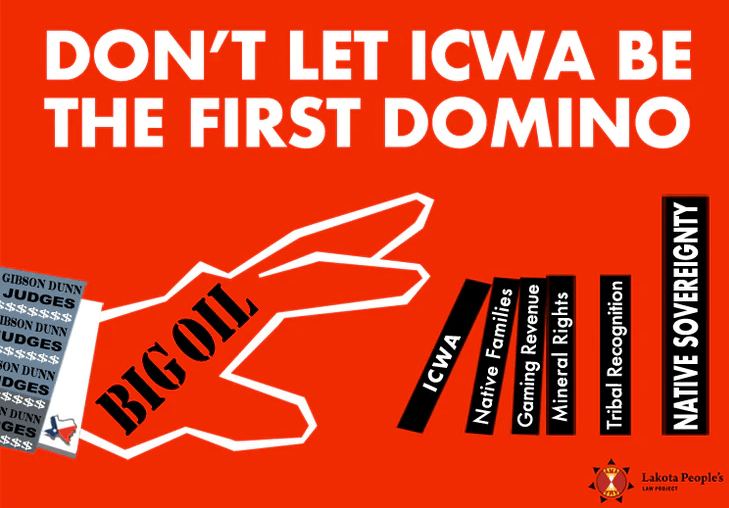
Native children and U.S. Secretary of the Interior Deb Haaland are under legal attack in Brackeen v. Haaland. The powerful people behind the lawsuit include both Big Oil and the State of Texas. If their attempt to have a conservative-majority Supreme Court overturn the Indian Child Welfare Act is successful, the door will be open to the total elimination of tribal sovereignty. Take action now to stop this horrific attack on Native rights! (see petition below).
Lakota People’s Law Project

Texas, Big Oil Lawyers Target Native Children in a Bid to End Tribal Sovereignty

The Threat Summarized

If the Supreme Court overturns the Indian Child Welfare Act (ICWA) — a federal law that keeps Native children with Native families — tribal sovereignty could soon be a thing of the past in the U.S. Should the justices rule in the plaintiffs’ favor in the case of Brackeen v. Haaland, we could quickly see a return to blatant, pre-1978 genocidal practices — when Native babies were legally stripped of their families, culture, and identities.

It’s critical that every one of us take immediate action. Before you do anything else today, sign our petition telling President Biden and the Department of Justice to defend ICWA, Secretary Haaland, and tribal sovereignty with every available means.

In this landmark case, the Brackeens — the white, adoptive parents of a Diné child in Texas — seek to overturn ICWA by claiming reverse racism. Joined by co-defendants including the states of Texas, Ohio, Louisiana, and Indiana, they’re being represented pro bono by Gibson Dunn, a high-powered law firm which also counts oil companies Energy Transfer and Enbridge, responsible for the Dakota Access and Line 3 pipelines, among its clients. This lawsuit is the latest attempt by pro-fossil fuel forces to eliminate federal oversight of racist state policies, continue the centuries-long genocide of America’s Native populations, and make outrageous sums of money for energy magnates, gaming speculators, and fossil fuel lawyers. The story below may seem unbelievable, but it is 100 percent true.

Key Points to Take Away

  • Big Oil’s lawyers, Texas, and three other states with very few Native inhabitants are attacking the Indian Child Welfare Act (ICWA).
  • The Texas Attorney General is asking the Supreme Court to declare ICWA unconstitutional.
  • The Plaintiffs argue that tribal affiliations should be considered racial, rather than political, designations.
  • Overturning ICWA could be the first legal domino in a broader attack on tribal rights and sovereignty.

The Indian Child Welfare Act Protects Native Kids, Cultures, and Sovereignty

The Indian Child Welfare Act (ICWA) is the federal law that prioritizes Native care for Native children, which is critical to maintaining cultural connections, family ties, and kinship practices that have been intact for thousands of years. ICWA, signed into law in 1978, was conceived as a means of slowing the genocidal policies enacted by the United States and Canada, which included the forced placement of Indigenous children in Indian boarding schools for more than a century.

These schools were cruel institutions designed to enact genocide by separating the children from their cultural identities and severing ties with their families and communities. Thousands of Native and First Nations children died at these schools, where physical, mental, and sexual abuse were commonplace. After the era of boarding schools, during the Sixties Scoop, it became common practice for child welfare workers — hiding behind state law — to kidnap Native children and place them with white, Christian families as adoptees. This lasted well past the 1960s, and ICWA was ultimately passed to protect Native children and keep them with their kin.

Today, the State of Texas (among other plaintiffs) is suing the federal government in an attempt to overturn ICWA. If the plaintiffs are successful, this case will strike down the federal law that prioritizes Native care for Native children. But that’s not even the worst of it. The case would also open a door for the destruction of tribal sovereignty in the United States. The case — Brackeen v. Haaland — is slated to go before a conservative Supreme Court soon, should the justices accept it. It specifically names the defendant as U.S. Secretary of the Interior Deb Haaland — a Laguna Pueblo woman and the first Native person to hold a Cabinet secretary position in U.S. history.

The plaintiffs are essentially alleging racism against white people, arguing that ICWA violates the U.S. Constitution’s Equal Protection Clause. Tribal nations — backed by a prior Supreme Court decision — say that Native status is not a racial designation, but a political one.

This case poses an extreme and imminent danger to Native Peoples across the U.S. If the high court accepts the plaintiffs’ argument that tribal political designations should not count in custody cases, “Native” and “Indian” designations could then be dissolved entirely. That decision would position ICWA as the first domino to fall, potentially leading to the erosion — or total erasure — of Native rights in the only homelands Indigenous North Americans have ever known.

Lakota People’s Law Project
https://lakotalaw.org/news/2021-09-17/icwa-sovereignty


Petition to protect the Indian Child Welfare Act

Dear President Biden and attorneys for the Department of Justice,

As the Supreme Court decides on whether to render judgment in the case of Brackeen v. Haaland, I write today to ask you to do everything in your power to protect the Indian Child Welfare Act and defend Secretary Deb Haaland. We need strong federal protection of Native families and tribal sovereignty.

Please file every available motion, prepare every legal argument judiciously, and do everything else you can to stop this attack on tribal citizens. The plaintiffs will not be easily stopped. Should the Supreme Court accept this case and validate the plaintiffs’ argument that tribes do not have the power to place their own enrolled children in tribal kinship care, we will have crossed a rubicon into dangerous legal territory that could ultimately lead to the disbanding of tribal nations — and the loss of tribal lands, gaming revenues, and mineral rights.

It’s no coincidence that the same attorneys — Gibson Dunn — representing the plaintiffs in this case also have deep ties to fossil fuel interests such as Enbridge and TC Energy (the oil conglomerates responsible for attacking tribal interests through the Line 3 and Dakota Access pipelines, respectively).

The Indigenous peoples of this land have always deserved better. The few gains made over centuries littered with oppression, and in the face of overwhelming systemic racism, must not be lost now. Please fight hard to protect original Americans. Please do everything possible to stop this attack on children, families, and sovereignty.

You can sign this petition here:
https://action.lakotalaw.org/action/protect-icwa