Can’t see the forest for the trees

The reason I write so much is to think/pray about things I am led to do. And in hopes others might see ways they can engage in these struggles. We need massive numbers of people to make the radical changes outlined below immediately. I know people have been hearing this for years, but we have two choices today. If we continue to delay, we will absolutely continue to see escalating environmental chaos. I describe an the alternative here.

Writing yesterday’s post, Canadian pipeline and railway protests, I sensed many of my friends would disagree with the idea of sabotage. And question why a white male would be so focused on Indigenous ways in general, and the Wet’suwet’en actions to protect their water, land, and culture specifically.

All my words might result in people not being able to see my view of the forest for the trees. So, this morning I step back to show the forest. Some of the trees are found at the end.


The Forest

  • Settler colonialists stole the land in this country.
  • The land should be returned to Indigenous control (#LANDBACK) because
    • It is the right thing to do
    • Despite broken treaties, it is the legal thing to do
    • It is the only hope we have to slow down the devastation and begin to heal the land, water, air and ourselves
    • LANDBACK does not mean taking away private property. It means returning public lands to Indigenous practices
  • Environmental devastation has been caused by massively excessive fossil fuel burning.
  • Our environmental catastrophe will cause increasingly severe and frequent storms, drought, and damage.
  • There is no time for gradually decreasing fossil fuel emissions.
  • Any nonviolent action (for example, rail sabotage) to stop fossil fuel combustion should be supported.
  • The capitalist economic system drives excessive fossil fuel combustion, so must be replaced
  • Mutual Aid is a framework to organize communities in humane ways. Is an alternative to capitalism that can be implemented immediately. I’ve been working with Mutual Aid communities for the past year.
  • Mutual Aid has been how Indigenous communities worked for thousands of years.
  • As yesterday’s post said, “use your words to inspire others to action – not to beg for change from government bodies complicit in an active genocide.”
  • The efforts of the Wet’suwet’en peoples demonstrate how to accomplish the above. Might be our ‘last best hope’. And deserve our support.

The Trees

  • I am a lifelong Quaker, raised in Quaker communities. I seek and try to follow the guidance from the Spirit or Creator.
  • When I moved to Indianapolis in 1970, I was horrified by the filthy air (this before catalytic converters). I was strongly led to do whatever I could to address that, which included refusing to have a car.
  • I came to Indianapolis to participate in the Friends (Quaker) Volunteer Service mission project in inner city Indianapolis. My first experience in justice work with oppressed communities. I learned the importance of building long term relationships.
  • I tried many ways to convince others to stop burning fossil fuels, with no success.
  • In 2013 environmental activists recognized the decision to approve the Keystone XL pipeline was a chance, finally, to take on the fossil fuel industry. The Keystone Pledge of Resistance trained thousands to participate in acts of nonviolent civil disobedience. I was trained as an Action Lead, where I learned how to organize local civil disobedience acts, including training local activists.
  • Around that time, I was led to connect with the Kheprw Institute (KI), a youth mentoring community, because of their environmental work, including making rain barrels and developing an aquaponics system to grow food.
  • Also, at that time my Quaker meeting participated in the Quaker Social Change Ministry (QSCM) program, which trained us how to make connections with communities experiencing injustice. My experience with the Kheprw Institute made it logical for my Quaker meeting to engage with KI using the QSCM model. I learned much more about social justice work.
  • Next, there were many ways various groups in Indiana came together to try to stop the Dakota Access Pipeline (DAPL). This is how I began to learn about and engage with Indigenous peoples, who were part of the DAPL resistance.
  • Standing Rock showed Indigenous peoples from around the world coming together to try to stop DAPL. Demonstrated to necessity of prayer.
  • When I retired and returned to Iowa, I needed to find those who were doing similar environmental and social justice work. I was excited to make new connections, beginning by attending environmental justice rallies.
  • In 2018 I was blessed to participate in the First Nation-Farmer Climate Unity March. About a dozen Indigenous and a dozen non-native people spent eight days walking and camping along the route of the Dakota Access pipeline. Walking for ninety-four miles down empty gravel roads provided opportunities to share our stories with each other. That was remarkably successful in achieving one of the goals of the March, to create a community of native and non-native people who began to know and trust each other.
  • Since the March, there have been many ways we’ve worked together and deepened our relationships.
  • In January 2020, I came across a YouTube video that showed the Wet’suwet’en peoples in British Columbia evict Coastal GasLink pipeline workers from the pristine land and waters of the Wet’suwet’en territories. After so many years of struggle with little success to stop fossil fuel development I was astounded by the eviction and began to follow that closely.
  • The eviction was temporary and multiple actions to force the construction of the pipeline over the objections of the Wet’suwet’en continued.
  • Shortly after that eviction, militarized Royal Canadian Mounted Police (RCMP) violently invaded and arrested Indigenous peoples.
  • This news was not covered by mainstream media, so the Wet’suwet’en peoples wanted their supports to share what was happening on their social media platforms.
  • I wrote daily blog posts about the Wet’suwet’en and shared those on Facebook and twitter as well.
  • I wanted to make sure I was expressing the situation accurately and appropriately. Not being there in person, I connected with a media contact for the Wet’suwet’en which helped in that regard. That was important to do to avoid what happens too often as supporters cause more harm than good.
  • In February (2020) a few of us had a rally to support the Wet’suwet’en. We advertised the event on Facebook.
  • Ronnie James, and Indigenous organizer in Des Moines saw the event and came to see who was doing this work. That meeting changed my life. Ronnie taught me a great deal about organizing.
  • Ronnie patiently taught me the concepts of Mutual Aid, something I hadn’t known about. Eventually I asked if I could join in the work of Mutual Aid and for over a year, I’ve been part of the grocery giveaway program, one of several Mutual Aid projects in Des Moines.
  • I’m convinced Mutual Aid is the model needed to address justice and survival issues.
  • The Wet’suwet’en peoples are being attacked and arrested again by the RCMP.
  • Environmental devastation continues to unfold with much more severe weather occurring more frequently. With both the pollution of water and increasing drought.
  • Groups like the Extinction Rebellion are using direct action to force attention on the existential threats of environmental chaos and the need to act now.
  • Too many tipping points have been reached to stop evolving environmental chaos.
  • Not only the environment, but social, economic, and political systems are collapsing.
  • Mutual Aid is the way to replace those systems and provide immediate help to all who are impacted.
  • Indigenous peoples’ intergenerational trauma from the policies of forced assimilation is overwhelming as the remains of native children are found on the grounds of the so-called boarding schools
  • Indigenous ways are needed to attempt to heal Mother Earth.
  • Indigenous peoples are taking back control of their lands.

Canadian pipeline and railway protests

Railway protests across Canada in support of the Wet’suwet’en and other First Nation peoples have been used effectively for several years. Following are excerpts from a detailed discussion of Canadian railway protests found on Wikipedia.

“Rail was a harbinger of colonized settlements and the genocide of Indigenous peoples.”

And among the other interesting things in the article Glorious Rage below are the following expressions of Mutual Aid:

“As allies/accomplices/dissidents, one of our greatest strengths against the state or organized bodies is our own flexibility and adaptiveness – often a quality hierarchical systems or organizational bodies don’t have.

Also, “use your words to inspire others to action – not to beg for change from government bodies complicit in an active genocide.”

Canadian pipeline and railway protests

The 2020 Canadian pipeline and railway protests were a series of civil disobedience protests held in Canada. The main issue behind the protests was the construction of the Coastal GasLink Pipeline (CGL) through 190 kilometres (120 mi) of Wetʼsuwetʼen First Nation territory in British Columbia (BC), land that is unceded. Other concerns of the protesters were indigenous land rights, the actions of police, land conservation, and the environmental impact of energy projects.

In February 2020, after the RCMP enforced the second court injunction, removing the Wetʼsuwetʼen blockades and arresting Wetʼsuwetʼen land defenders, solidarity protests sprang up across Canada. Many were rail blockades, including one blockade near Tyendinaga Mohawk Territory which halted traffic along a major Canadian National Railway (CNR) line between Toronto and Montreal and led to a shutdown of passenger rail service and rail freight operations in much of Canada. The Eastern Ontario blockade was itself removed by the Ontario Provincial Police. Blockades and protests continued through March in BC, Ontario and Quebec. Discussions between representatives of the Wetʼsuwetʼen and the governments of Canada and British Columbia have led to a provisional agreement on the Wetʼsuwetʼen land rights in the area.

2021 Wedzin Kwa blockade

 On September 25, 2021, Cas Yikh house and Gidimtʼen clan members erected new blockades on the Morice West Forest Service Road to block CGL’s attempts to drill under the Morice River (known as Wedzin Kwa in Babine-Witsuwetʼen). Sleydoʼ (Molly Wickham), one of the leaders of Gidimtʼen Access Point, claimed that the work near the river would disrupt her people’s livelihoods as well as the salmon population. She called on supporters to join the new blockades. A Gidimtʼen Access Point press release called the Wedzin Kwa “sacred headwaters that nourish the Wetʼsuwetʼen Yintah [territory] and all those within its catchment area”.

Coastal GasLink president Tracy Robinson issued a statement about the drilling, saying “the clearing is now complete, and our crews will utilize a micro-tunnel method which is a type of trenchless crossing that is constructed well below the riverbed and does not disturb the stream or the bed and banks of the river”. Robinson claimed that micro-tunnelling was deemed to be the safest and most environmentally-responsible method after consulting with experts, regulations, and best practices. She also noted that there was still an enforceable injunction to prevent any opposition to CGL carrying out its work. In the days after the new blockades went up, the RCMP moved in to remove two of them, in the process arresting at least one individual.[56][57]

Solidarity Protests

Several major protests blocked access to the Port of VancouverDeltaport, and two other ports in Metro Vancouver for a number of days before the Metro Vancouver police began enforcing an injunction on the morning of February 10, 2020, arresting 47 protesters who refused to cease obstructing the port.[72][73][74]

Protests on February 15 over 200 people in Toronto blocked Macmillan Yard, the second largest rail classification yard in Canada.[75] On February 16 and 17 temporarily blocked the Rainbow Bridge in Niagara Falls, Ontario and Thousand Islands Bridge in Ivy Lea, Ontario, two major border crossings between the United States and Canada.[76] At the same time, Miꞌkmaq demonstrators partially blocked access to the Confederation Bridge, the sole road link to Prince Edward Island.[77] On February 18, several activists were arrested for trespassing at BC Premier Horgan’s residence.[78]On February 24, 2020 individuals shut down a major junction in Hamilton, ON.

A nation-wide student walkout occurred March 4, with university students across the country showing their support for the Wetʼsuwetʼen protesters.[79][80][81]

The protests led to the creation of several hashtags, used widely on social media in relation to coverage of the protests. These include #ShutDownCanada,[82] #WetsuwetenStrong,[83] #LandBack,[84] and #AllEyesOnWetsuweten.[85]

Wikipedia 2020 Canadian pipeline and railway protests

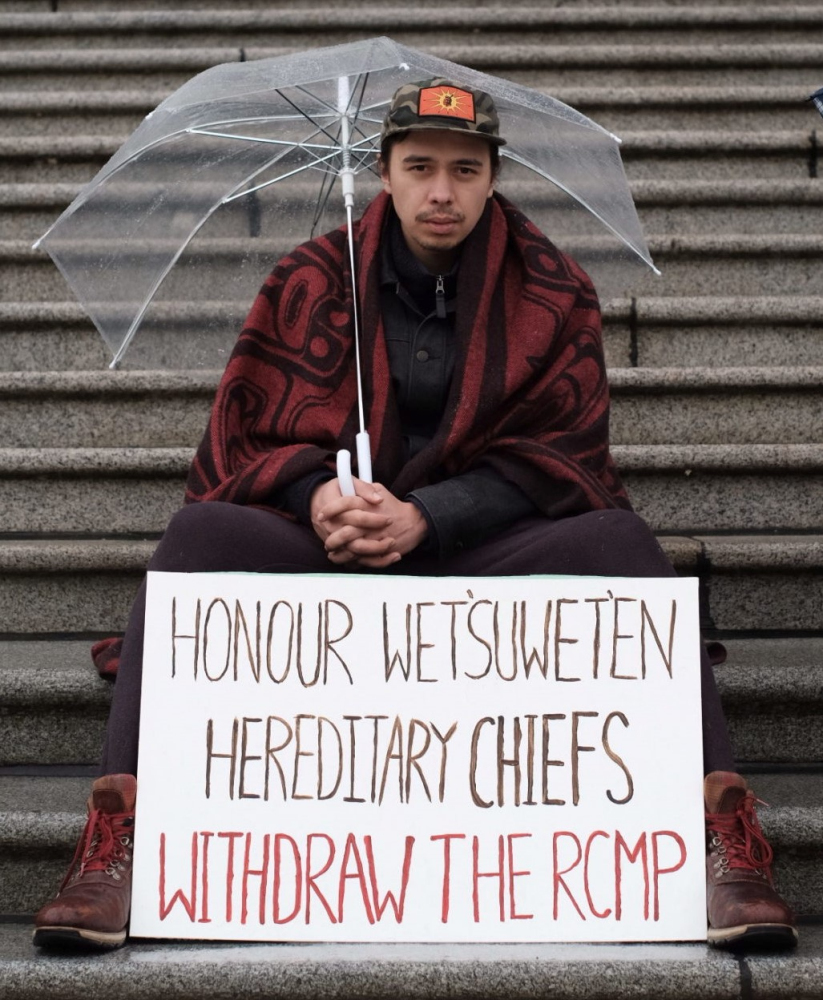
I’m sharing part of a message from north-shore.info detailing how to disrupt rail service. I share this as a matter of education. As it says, “detailed below for your reference, education and delight!” I do agree with the statement that the violence against the Wet’suwet’en “is an act of genocide. An active genocide. An armed invasion by the colonial state.”

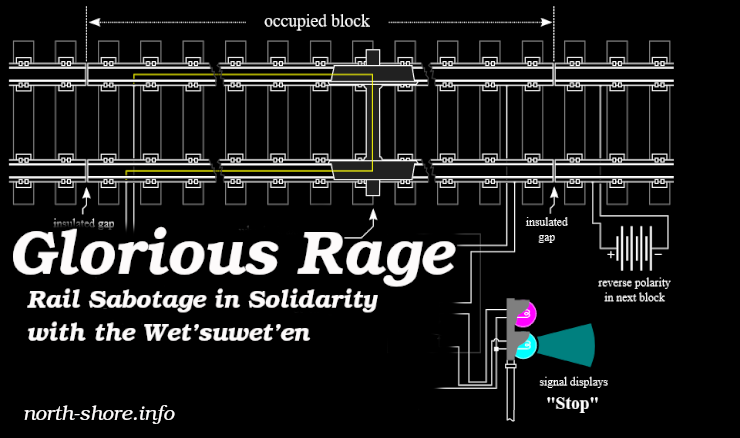
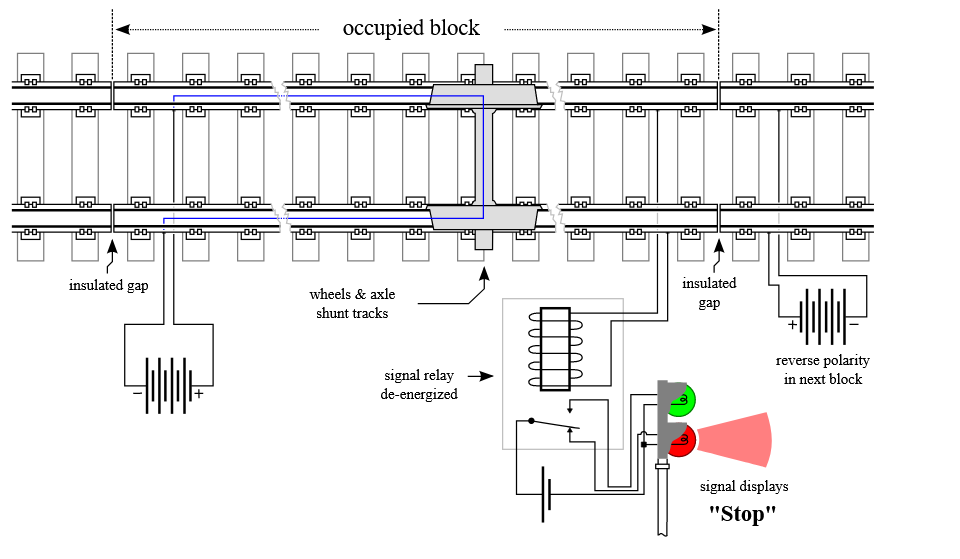
Each method used will have tripped the automatic block signalling system into its failsafe setting of “occupied track” – meaning all rail traffic on the impacted track comes to a stop until checked out and in some cases repaired. This also means interferences were safer than any of the militarized RCMP’s three unjustified raids on Wet’suwet’en people.

Glorious Rage: Rail Sabotage in Solidarity with the Wet’suwet’en

Our goal as North Shore Counter-Info is to make it easy to share ideas and practices as part of the struggle against domination. Sharing this text helps our project do its work. Soli to folks on the ground!

There is nothing left unsaid.
RCMP Out.
CGL off the Yintah.
Defend the Wedzin Kwa.

This is an act of genocide. An active genocide.
An armed invasion by the colonial state.

There is nothing left to say: they do not listen to words.
So just do; that is what we have done.

One recent evening, allies/accomplices went out into the night to pick up where others may have left off in the spring of 2020: targeting rail infrastructure.

Using various methods (detailed below for your reference, education and delight!) we disrupted rail all over so-called southern Ontario throughout the night, hitting nearly a dozen different spots on both CN and CP rail lines. We did this in heartfelt solidarity with the Wet’suwet’en defending their Yintah from destruction, and fuelled our actions with the justified rage we feel towards the RCMP and state for once against invading their territory on behalf of a private corporation.

Rail was a harbinger of colonized settlements and the genocide of Indigenous peoples across so-called Canada, and also an indefensible way to target the kkkanadian economy, so we find it an ideal target as people unable to be standing shoulder to shoulder with the Wet’suwet’en land defenders.

While some crews opted for the copper wire method, others found inspiration in other means of targeting railway circuits – including severing low voltage track circuits and the arson of railway signal bungalows.

Each method used will have tripped the automatic block signalling system into its failsafe setting of “occupied track” – meaning all rail traffic on the impacted track comes to a stop until checked out and in some cases repaired. This also means interferences were safer than any of the militarized RCMP’s three unjustified raids on Wet’suwet’en people.

We encourage others to join us in action. Use your words to inspire others to action – not to beg for change from government bodies complicit in an active genocide.

Shut it down. That’s all there is left to do.
Never Cede
Never Surrender.

Glorious Rage: Rail Sabotage in Solidarity with the Wet’suwet’en by Anonymous submission to North Shore, November 27, 2021

A map of the Canadian National Railway system, showing the system marked in red lines across the continental United States and Canada.
https://en.wikipedia.org/wiki/2020_Canadian_pipeline_and_railway_protests#/media/File:Canadian_National_System_Map.PNG

Map of the Canadian National Railway system. Much of the network east of Toronto was temporarily shut down on February 13, 2020, due to protests and blockades in eastern Canada.

#WetsuwetenStrong
#LandBack
#AllEyesOnWetsuweten
#ShutDownCanada

Wet’suwet’en solidarity

As happened with last year’s violent attacks on the Wet’suwet’en by militarized Royal Canadian Mounted Police, many other First Nations peoples are taking actions in solidarity and support.


The Gitxsan have posted on Instagram: “Gitxsan Hereditary Chiefs evict MLA Nathan Cullen from Gitxsan Lax’yip [territory].”

Their post continues: “The NDP has failed to uphold good relations with our peoples, and due to the violence inflicted on Wet’suwet’en and Gitxsan Wilp [house group] members, the NDP is no longer welcome on our territories.”

“Someone needs to be accountable for the violent actions inflicted upon our peoples and territories by the RCMP and Coastal GasLink.”

It concludes: “We do not believe these are simply renegade police actions following the rulings of a mere Provincial Court. We know that the feds and the province are guilty of trying to exterminate our way of life.”

Cullen’s colleague Mike Farnworth is the Minister of Public Safety and Solicitor General. In response to the actions of Wet’suwet’en land defenders earlier this month, Farnworth commented: “The right to protest does not extend to criminal actions.”

While Farnworth has Stated he does direct “police operations”, he did Authorize on January 27, 2020 – the same day as Cullen’s appointment – the “internal redeployment of resources within the Provincial Police Services” on Wet’suwet’en lands in order to “maintain law and order.” Days later a militarized raid against the Wet’suwet’en began.

The eviction action at Cullen’s office in Hazelton on November 27, comes after RCMP officers were deployed in nearby New Hazelton on November 19 against a Gitxsan blockade of the railroad tracks in solidarity with the Wet’suwet’en.

GITXSAN HEREDITARY CHIEFS EVICT GOVERNMENT LIAISON NATHAN CULLEN By Brent Patterson, PBI Canada, November 28, 2021
Evicted From His Hazelton Constituency Office On Gitxsan Territory.

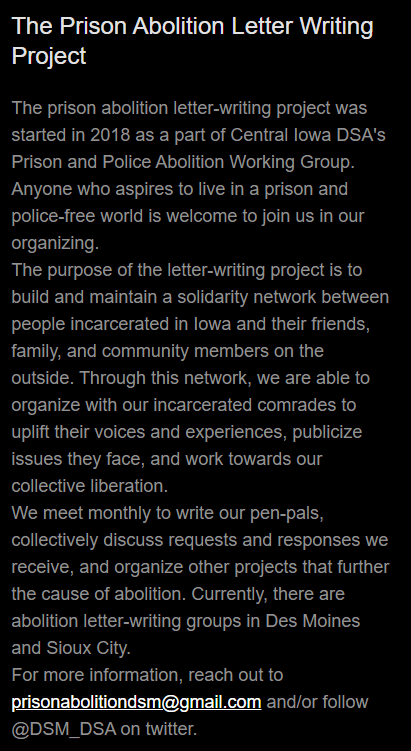
Prison Abolition Letter Writing Project

I recently attended my first meeting with the Prison Abolition Letter Writing Project of the Central Iowa Democratic Socialists of America (DSA). I didn’t know who would be there but thought it likely a few of my Mutual Aid friends might. It is a maxim of justice activism that a small core group of people work in many different justice groups in a city, and such was the case. I was glad to see two of my Mutual Aid friends there. Seven of us met in a park shelter not far from the church our Mutual Aid group uses for the food giveaway project each Saturday morning.

I wondered what I would learn about the Prison Abolition Letter Writing Project and was fascinated by what I did learn. I assumed the idea was to establish a relationship with those imprisoned, which it certainly is. But as part of the sample letter shows, the concept is to invite those incarcerated to help those who are not understand what is going on in the prison system. Yet another example of Mutual Aid, where all involved work from the concept that we are all working together. Not “us helping them”.

I am writing to you as a part of the Central Iowa Democratic Socialists of American prison abolition group. I am inviting you to join our solidarity and pen-pal network. We are connecting with people incarcerated in Iowa because we believe the struggles of people both inside and outside of prison walls are intertwined. Specifically, we recognize the need to eliminate systemic injustices produced by the current criminal justice system.

Please let me know if you are interested in taking part in this project. I would love to receive any information from you so that we can make a case to those on the outside to take action on the demands of incarcerated people.

We are the Central Iowa chapter of the Democratic Socialists of America (DSA). Promoting the concept of democratic socialism through political action, direct service, and education. We are building for the future beyond resistance.
https://www.facebook.com/CentralIowaDSA

I became interested in DSA when my friend Fran Quigley, a professor in the Law School at Indiana University, wrote the following in response to my blog post, The Evil of Capitalism, 12/31/2020. Fran’s book was just published. Religious Socialism: Faith in Action for a Better World – August 25, 2021.

This post of yours struck me close to home. I too have become fully convinced of the evils of capitalism. Moreover, I have come to the conclusion that my faith dictates that I work to replace it. Turns out I am far from alone, so I’ve been devoting much of my time this past year to the Religion and Socialism Committee of the DSA, www.religioussocialism.org.
Fran Quigley

I’ve also been participating in the Quaker for Abolition Network, initiated by Mackenzie Barton-Rowledge and Jed Walsh. The following is from an article they wrote for Western Friend.

Mackenzie: Let’s start with: What does being a police and prison abolitionist mean to you?
Jed: The way I think about abolition is first, rejecting the idea that anyone belongs in prison and that police make us safe. The second, and larger, part of abolition is the process of figuring out how to build a society that doesn’t require police or prisons.
Mackenzie: Yes! The next layer of complexity, in my opinion, is looking at systems of control and oppression. Who ends up in jail and prison? Under what circumstances do the police use violence?
As you start exploring these questions, it becomes painfully clear that police and prisons exist to maintain the white supremacist, heteronormative, capitalist status quo.

Abolish the Police by Mackenzie Barton-Rowledge and Jed Walsh, Western Friend, November December 2020

We as White Quakers like to think of ourselves as ahead or better than dominant culture, but we have been complicit in a system and mindset that are ubiquitous. Claiming the full truth of our history and committing to repair the harms done are deeply spiritual acts of healing our own wounds of disconnection. I would argue it is the pathway upon which we can, perhaps for the first time, discover and invigorate our faith with its full promise.

What would it mean for us to take seriously and collectively as a Religious Society a call to finish the work of abolition, hand in hand and side by side with those affected and their loved ones? What would it mean for us to stand fully with the calls to abolish the police and fully fund community needs instead? What would it mean to reckon with our past complicity with harm and fully dedicate ourselves to the creation of a liberating Quaker faith that commits to build the revolutionary and healing faith we long to see come to fruition? What would it look like to finally and fully abolish slavery?

A Quaker Call to Abolition and Creation by Lucy Duncan, Friends Journal, April 1, 2021

Lucy’s article includes this correction, that so many White people do unintentionally:
Correction: The author and FJ editors realize that an earlier version of this article inadvertently erased BIPOC (Black, Indigenous and people of color) Quakers in describing Quakers as though we were/are all White. Certainly there have been Black Friends and Friends of Color in our body from our earliest history. We apologize for this error. This online article has been updated accordingly. We have also clarified the relationship of George Fox with Margaret and Thomas Rous.

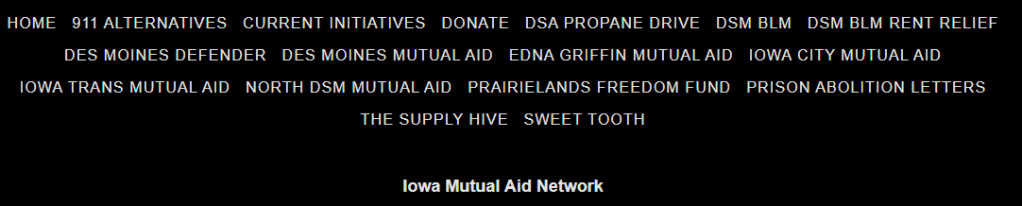
A goal of Mutual Aid is to grow, pulling increasing numbers of people into the work. I’ve been involved in Des Moines Mutual Aid and the food giveaway project for the past year. The Iowa Mutual Aid Network has expanded to include the following organizations. The Prison Abolition Letter Writing Project is a way to bring more people into our mutual work.

The Iowa Mutual Aid Network is made up of numerous individuals, collectives, and affinity groups working together and alongside each other to change the material conditions of oppressed communities in so-called Iowa.

The groups represented on this site are in no way a full accounting of those that are engaged in the struggle.

All Power To The People


Wet’suwet’en 11.27.2021

There is increasing visibility and support for the LANDBACK movement and what the Wet’suwet’en people are doing now.

As you read this, the RCMP’s force is being used against land defenders standing against the Coastal GasLink (CGL) pipeline project, which severely violates Indigenous rights, poses a major risk to the ecosystems including local food sources, and increases fossil fuels production when we need to cut them. If built, the pipeline would carry fracked gas from northeast BC to a not-yet-built liquefied natural gas (LNG) terminal on the coast – the largest LNG project ever proposed in Canada.

Last year, the Wet’suwet’en Hereditary Chiefs issued an eviction notice to CGL, which still stands. The Wet’suwet’en Nation has also won a landmark case before the Supreme Court, recognizing their authority over their traditional territories. [1] They are now defending the headwaters of a sacred and life-sustaining river, the Wedzin Kwa, where CGL is trying to start up a drill site. [2]

“Follow the money,” they say. When you do, you see that Canada’s Big 5 banks are bankrolling the construction of this pipeline with loans totalling $1.575 billion. [3] These banks — RBC, TD, Scotiabank, BMO and CIBC — are essentially using your money, your savings, to invest in the dirty business of fossil fuels even while making public commitments to respect Indigenous rights and act on climate change.

Cutting off the money pipeline is the fastest way to kill this project. The Wet’suwet’en Nation has called for all investors and financiers of CGL to divest and remove all financial support for this pipeline. [4] The International Energy Agency has also clearly said that fossil fuel expansion is not an option to meet the goals of the 2015 Paris climate agreement. [5]

Show the banks you support the Wet’suwet’en land defenders. A project that creates short-term profits and extends a legacy of colonialism and ecological destruction through militarized police presence is the opposite of the just climate action we need.

Send an email to the CEOs of the Big 5 banks to tell them that you do not support fossil fuel colonialism and neither should they. 

Sources

[1] https://www.cbc.ca/news/canada/british-columbia/delgamuukw-court-ruling-significance-1.5461763

[2] https://thenarwhal.ca/wetsuweten-coastal-gaslink-explainer/

[3] https://www.banktrack.org/project/coastal_gaslink_pipeline/0/www.edc.ca (under “Financiers”)

[4] http://ow.ly/Cvj850Gu6EO

[5] https://thenarwhal.ca/iea-report-2021-canada-oil-gas/

Envelope drawings

There is a long history of connection between Bear Creek Friends Meeting in rural Iowa, and Monteverde Friends School in Costa Rica. Wolf and Lucky Guindon and my parents, Burt and Birdie Kisling, had a double wedding at the Bear Creek Meetinghouse in 1950. Shortly afterward, the Guidon’s were among a small group of Quakers who left this country because of increasing militarism and settled in Costa Rica. Lucky and Wolf are on the right.

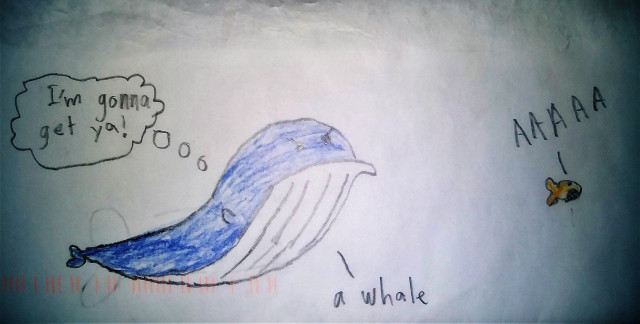
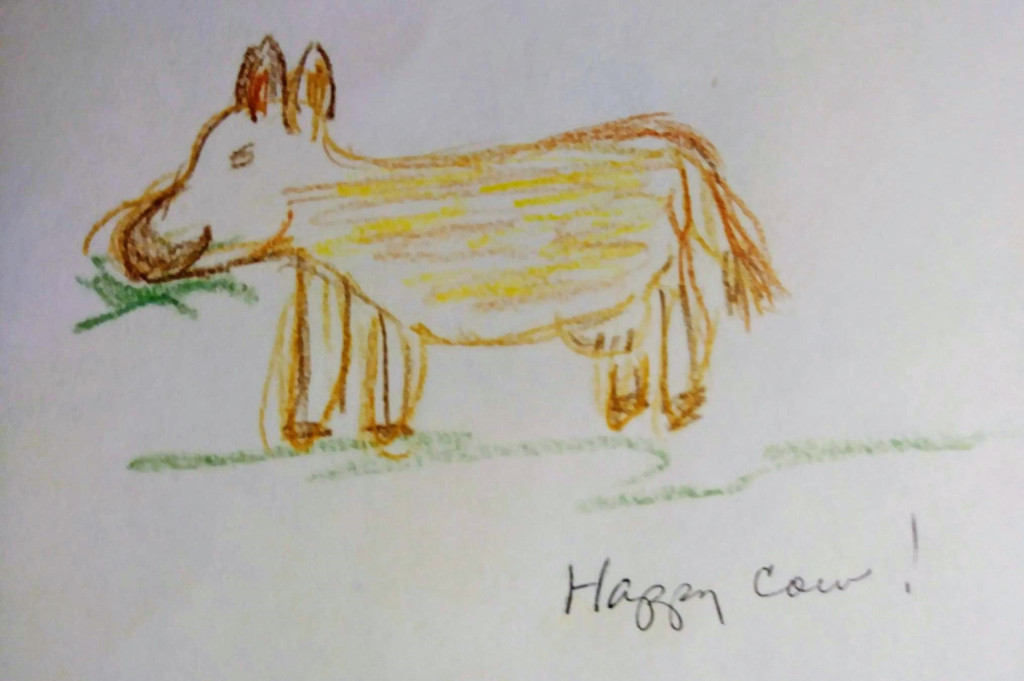
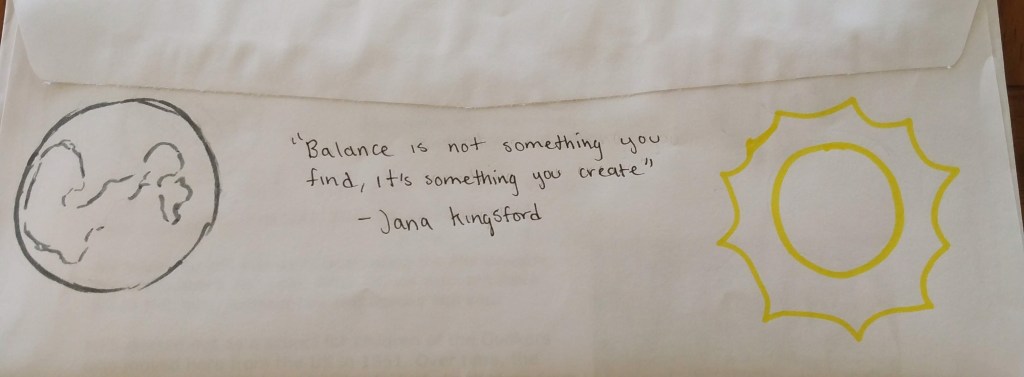
In 2018 I received a letter from the school in this envelope with a drawing of a whale. The clerk of Bear Creek Meeting received the other envelope below.

Envelopes from Monteverde Friends School (2018)

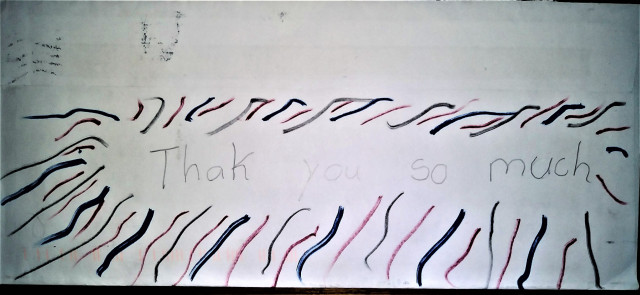
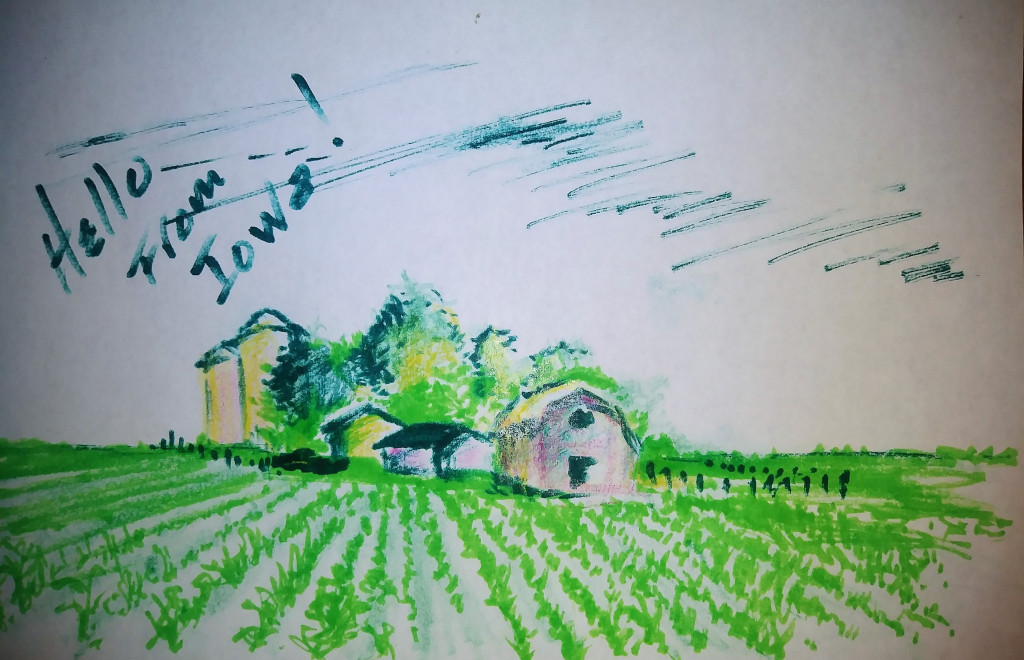
When we shared the pictures at Bear Creek Meeting, we spent a lot of time sharing stories about our connections with Monteverde Friends. Some present had visited Montverde. Others know people who have lived or continue to live there. As we shared these stories, we thought it would be nice to reply to the drawings from the children at Monteverde, by sending back drawings from us. The school told us the student artists were thrilled that we appreciated their artwork.

Drawings from Bear Creek to Monteverde.

In 2011 some of our family traveled to Monteverde for a reunion with Wolf and Lucky. Lucky on left, Wolf on the right.

Lucky, Birdie, Burt and Wolf

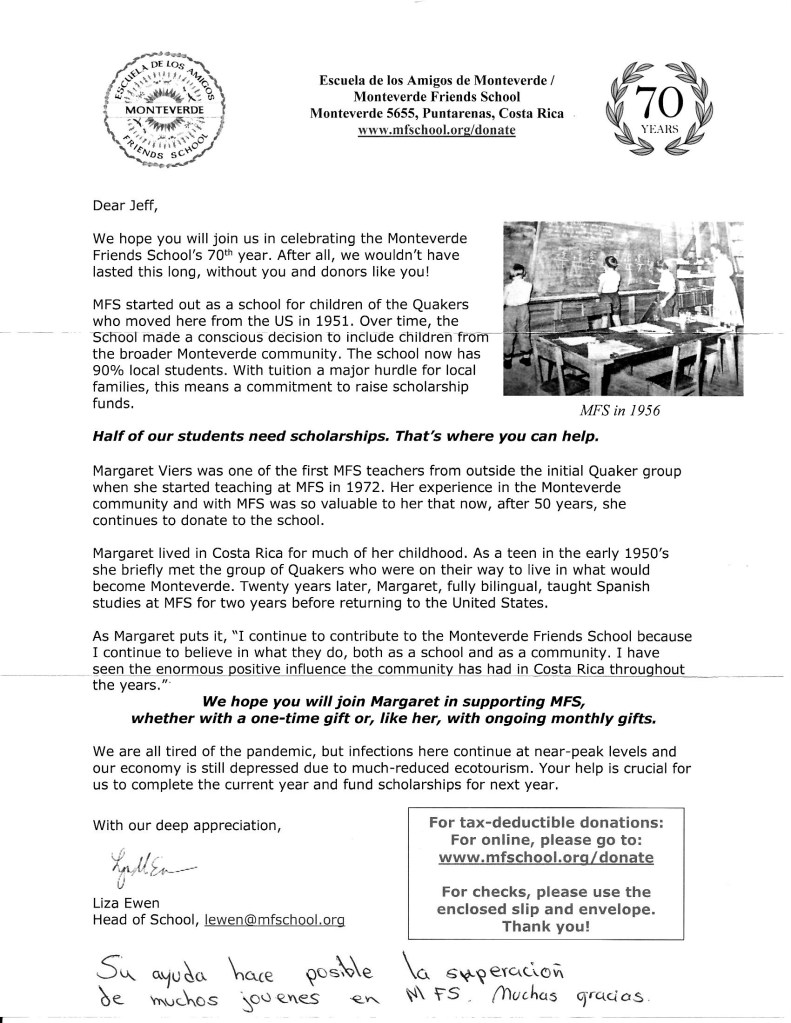
Recently we received more envelopes from Monteverde.


EPSON MFP image

Deadman

Logan Staats’ beautiful new song, “Deadman” is another example of the power of art to call attention to injustice. The track comes alongside a visual accompaniment partially shot at the site of a former residential school.

Logan was beaten and arrested by the RCMP while supporting the Wet’suwet’en peoples. I was only peacefully singing our water song and hugging/protecting a 70-year-old matriarch. I was free’d and remain steadfast and committed to defending the land from sea to sea all across Turtle Island.

Mohawk singer-songwriter Logan Staats makes his return with the new single “Deadman,” which signals the storyteller and activist’s debut release under the Indigenous-owned label, Red Music Rising.

“I wrote ‘Deadman’ while in rehab. It’s not about a girl; the culture is the love that I’m asking for,” he revealed in a press release.

The love Staats pleads for in the song is not romantic but rather a demand for something cherished, stolen by settler colonialism. “The love for myself that was stolen from me — by the government, the crown, the church. When I sing ‘Give back my love,’ I’m speaking about my culture, my pride and my love for myself.”

As a descendent of residential school survivors, Staats delivers the single alongside a video partially shot on the property of the Mohawk Institute — a former residential school in Brantford, ON — and at Land Back Lane, where Six Nations land defenders have been fighting development on unceded Six Nations territory.

In a statement, Staats recalled fighting for land sovereignty alongside the land defenders in Wet’suwet’en territory:

Recently I’ve been spending a lot of time on the West Coast in Wet’suwet’en territory after answering the call of the Hereditary Chiefs there and standing in solidarity with the land defenders on their sovereign ground. After serving an eviction notice to Coastal Gas Link, a for-profit corporation conducting illegal activities on Wet’suwet’en territory, heavily armed RCMP officers were flown in and conducted a raid on the traditional lands or ‘Yin’tah’. During that raid I was punched in the ear, my head was slammed into the frozen pavement by my braids, and I was kneed in my spine and held down while I was handcuffed and bleeding… all after I was only peacefully singing our water song and hugging/protecting a 70-year-old matriarch. I was hauled off to jail along with my sister Layla Black, several other land defenders, elders; along with members of the press. With the support of my community and people rallying across nations, I was free’d and remain steadfast and committed to defending the land from sea to sea all across Turtle Island.

Logan Staats Announces Red Music Rising Debut with New Single “Deadman”. The track comes alongside a visual accompaniment partially shot at the site of a former residential school by Haley Bentham, exclaim.ca, Nov 25, 2021


This story is about supporting water protectors like Logan who are being criminalized.


And Movement Memos calls attention to Mutual Aid efforts, like those in Des Moines, Iowa, that I work with.

Movement Memos

An ongoing call to action for movement work and mutual aid efforts around the country. Kelly Hayes connects with activists, journalists and others on the front lines to break down what’s happening in various struggles and what listeners can do to help.

An opportunity for healing

How do non-native people in this country reconcile the Thanksgiving holiday versus the National Day of Mourning, both occurring on the fourth Thursday of November?

When I try to engage White people about this, they say Thanksgiving is a time to gather with family and be thankful for all the good things in their lives. And don’t want to talk about the many negative consequences for Indigenous peoples that resulted from the arrival of White people.

National Day of Mourning Plaque.jpg

Thanksgiving is a glaring example of White supremacy and privilege. White people can and do refuse to acknowledge the true history. “Repeating the holiday with no acknowledgement of the intolerance in its history feels delusional at best, if not actively perpetuating oppression.”

Searching for ways to write about this, I finally came upon the following blog posts that express my sentiments. The more recent says, “this year (2020), more than ever, healing is on my mind, and our national fractures run especially deep.” Both blog posts contain many suggestions for things we can do for acknowledgement and healing.

A lot has changed since my last post about this topic, four years ago. Much has certainly stayed the same, too…sparing you the full recap, suffice it to say that #BlackLivesMatter is now at the center of American political activism, and Leonard Peltier remains in prison. We’re teetering on the cliff of irreversible climate change with every passing hour of business-as-usual. Plus, a pandemic. The imperative to teach Thanksgiving as a holiday and to re-imagine it through anti-racist and decolonial lenses is even more ripe today than it was back in 2016.

Before I offer my updated action list, let me offer some timely big picture perspective: Thanksgiving has always been a holiday centered on healing. Lincoln created it to repair a semblance – even a myth – of healing a divided nation. This year, more than ever, healing is on my mind, and our national fractures run especially deep.

I offer these updated suggestions encourage healing – both personal and communal, in hopes they might go a little way toward improving the world.

10 MORE WAYS TO MAKE YOUR THANKSGIVING ABOUT SOCIAL AND ENVIRONMENTAL JUSTICE (2020 UPDATE) by Eve Bratman, October 4, 2020

I love that Thanksgiving is a food and gratitude centered holiday. But ever since reading about the actual people’s history of the holiday, I’m more sick to my stomach than excited about eating.

Sure, we’ve got a lot to be thankful for. We have our religious tolerance, our tradition of welcoming foreigners… ahhem… don’t we? The story of pilgrim-colonists setting foot into the New World does little to assuage my angst about our nation’s future, because it ignores a lot of the actual intolerance, conflict, and oppression that is deep within our history.

The short version of the real story of Thanksgiving is this: President Abraham Lincoln established the day as a national holiday in 1863. In his words, it was established as a day of “Thanksgiving and Praise to our beneficent Father who dwelleth in the Heavens,” but all paternalistic religiosity aside, let’s face it, something else was happening in 1863. A holiday based on a beneficent nationalist myth as our origin story helped smooth over deep divisions after the Civil War.  Well beyond Squanto, the history actually involves conversion, smallpox, and having crops and land indelibly altered within the Colombian Exchange. Our social worlds and our ecological landscapes were indelibly marked by imperialism. Small wonder, then, that the fourth Thursday in November is marked by native peoples with a day of mourning and ceremony at Plymouth Rock.

Thanksgiving represents loss and genocide to many Native Americans, not bounty.

Let’s face it: white supremacy is actually deeply embedded in Thanksgiving. Funny I should mention those words, “white supremacy”, right? Didn’t we just this week read about people known to hold racist beliefs becoming nominated to the highest offices of our government? Our history has a lot to do with why – and how – it came to this. We haven’t yet come to terms with our nation’s racist and genocidal past, and even our textbooks barely teach this stuff.

I want to make this Thanksgiving more deeply anti-racist, ecologically rooted, and anti-imperialist. I don’t have all the answers, but I don’t want to be paralyzed, either. Repeating the holiday with no acknowledgement of the intolerance in its history feels delusional at best, if not actively perpetuating oppression.

TEN WAYS TO MAKE YOUR THANKSGIVING ABOUT SOCIAL AND ENVIRONMENTAL JUSTICE by Eve Bratman, November 23, 2016

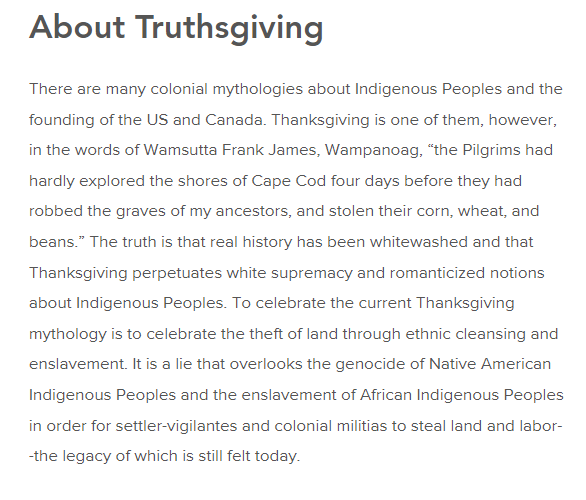
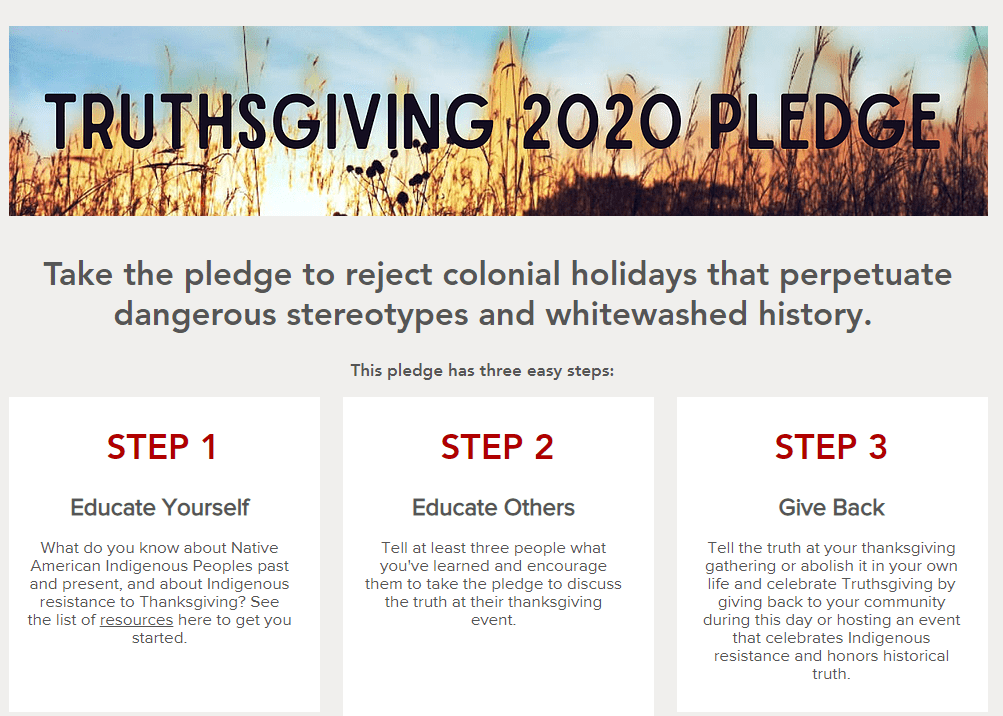
Truthsgiving

I was going to say more non-native people are becoming aware of the true history about Thanksgiving, but I’m not sure that is true.

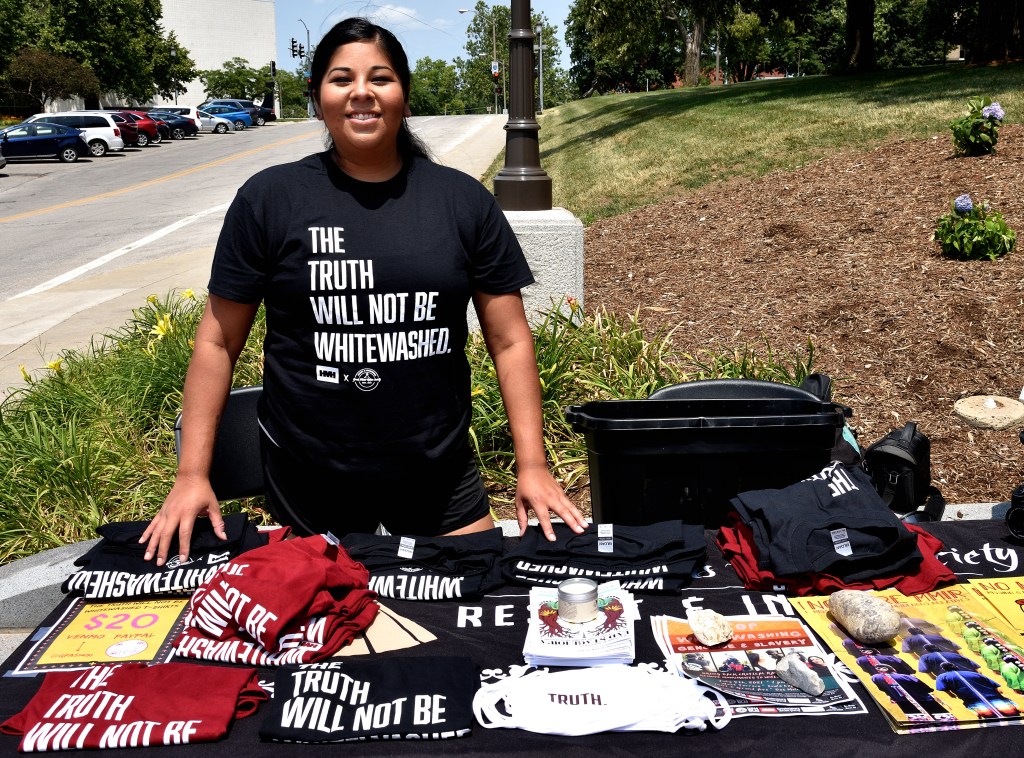
Some ways to educate ourselves and others can be found in the following resources from my friends at the Great Plains Action Society One way to begin conversations is to point out that many Indigenous peoples refer to the holiday as Truthsgiving. “The truth will not be whitewashed”.

It is said we should avoid talking about religion and politics at family gatherings to avoid conflicts. But avoiding these topics continues the whitewashed versions of relations between non-native and Indigenous Peoples.

Besides being the right thing to do, it is becoming increasingly clear that politics in the land called the United States is breaking/has broken down. The capitalist economy is showing signs of collapse. Capitalism puts a price on everything, including natural resources.

Increasingly frequent and severe storms and environmental chaos mean, among other things, that we need a different approach. Which is why I looked for opportunities to get to know and learn from Indigenous peoples. This is a diagram I’ve been working on for over a year to try to give an overview of relationships among White, Black, and Indigenous cultures and systems.

When I asked my friends what I could do that would be most helpful, they told me to learn about the concepts of #LANDBACK and share what I learn. Several months ago, I built a new website, landbackfriends.com, that discusses these issues from my perspective as a White person.


Wet’suwet’en peoples

Last week, for the third time in as many years, heavily militarized RCMP invaded Wet’suwet’en territories to remove land defenders so construction on the Coastal GasLink pipeline could continue. Following is some of the latest news.

https://www.yintahaccess.com/news/calltoactionnov

This time ‘round what’s more frustrating is they want to hide the corruption that they’ve been doing. They got exposed the last time, so heaven forbid they get exposed for their violence and using militarized police so now they’re holding media people in jail and that is so wrong. It’s like there’s no freedom of the press anymore and it almost doesn’t even feel like we’re in so-called Canada anymore when you don’t even have freedom of the press. And who knows if they’re keeping their footage and deleting footage to make sure they cover up the corruptness that is happening, which I feel it is so wrong. And people need to know. There’s corruptness all around and all I know is it’s not going to last. It will not last and they will be their own demise because you can’t keep going on with evil and corruptness. It’s going to find you out, it’s going to be exposed into the light. My family’s a praying family and we’ve been praying for this project and their corruptness. It’s going to all be found out and I don’t believe their project’s gonna go. 

Natural disasters happening down south and they should have been down there helping the poor people in all the floods and yet they send, what, 60-80 cops up here to arrest peaceful protestors when people are struggling because of climate change which this project has been contributing to it. And they’re here protecting industry because all their pensions are invested in it and the federal government has to pay back every one of those investors because of the Harper deal that he made with investors. If they invest money here, if it doesn’t go, they have to pay them back that money. So that’s why the Trudeau government is backing these projects and amending and changing all the legislation so that these projects go through. So, eventually they’ll be found out.

Canada’s Standing Rock

CONTENT WARNING: POLICE VIOLENCE

In the early hours of Friday November 19, Gitxsan land defenders set up a railway blockade in the town of New Hazelton (situated about 130 kilometres north of Houston) in solidarity with the Wet’suwet’en under siege by heavily armed RCMP forces.

On Saturday November 20, Gitxsan land defender Kolin Sutherland-Wilson told journalist Brandi Morin: “We are here in solidarity with our Wet’suwet’en allies with whom we have a mutual defence pact going back millennia.”

Kolin further noted: “As a result of their incursions onto Wet’suwet’en territory, their invasion of a sovereign nation using the militarized RCMP, we have set up a railroad blockade here in New Hazelton.”

Significantly, he also highlighted: “As a result of that railroad blockade, Coastal GasLink personnel and equipment brought out RCMP units … to New Hazelton where they displayed assault rifles, tactical units, a swarm of RCMP officers, helicopters.”

That same day, Sunday November 21, RCMP officers violently tackled and arrested Kolin’s brother Denzel near the railroad tracks.

As the police piled on him, Denzel shouted: “I can’t breathe!”

You can also hear Kolin telling RCMP officers on the bridge over the rail tracks: “What you are doing to the Wet’suwet’en is unacceptable. Those are our family. That is the land we survived your genocide to protect. We are still here, and you are still coming at us with guns and that’s absolutely disgusting.”

When I asked Kolin what he thought of the green-garbed, heavily armed RCMP Emergency Response Team in New Hazelton, he replied: “It’s terrorism.”

He added: “It’s meant to frighten us, but we are still here.”

PBI-Canada affirms that defending rights is not a crime. We share the call that the criminalization of Indigenous land defenders must stop.

Gitxsan land defender Kolin Sutherland-Wilson to the RCMP: “We are still here, and you are still coming at us with guns!” Published by Brent Patterson, Peace Brigades International-Canada, November 23, 2021


See “I can’t breathe” for story about Denzel’s arrest


Canada’s Standing Rock

If you’ve been with us for some time, you’ve witnessed our struggle at Standing Rock to stop the Dakota Access pipeline and the Anishinaabe resistance to the Line 3 pipeline. You’ve been a friend to us, and you’ve come to know many Indigenous water and land protectors fighting for our sacred lands and waterways. What you may not know is that, for years, our Wet’suwet’en relatives have undertaken a similar struggle in their own territory, to our north in what we now call Canada. They need our attention and support, too.

On Friday, Royal Canadian Mounted Police raided an Indigenous-led blockade with dogs and assault rifles. They arrested two journalists and at least 13 others at the frontlines, the latest in a series of arrests dating back to 2019. The Wet’suwet’en are doing all they can to stop construction of TransCanada’s 670km Coastal GasLink pipeline, because a third of this pipeline would cross their homelands on its way to a facility in coastal Kitimat. 

Wet’suwet’en hereditary chiefs have refused to give consent for the project, and, crucially, they have never signed a formal treaty with the provincial government or relinquished their land. Much like our #NoDAPL fight, this is both an environmental and a sovereignty issue; the Wet’suwet’en are also attempting to protect sensitive headwaters. 

In September, they put out a call for support, and this newsletter is an amplification of that call. I ask that, for now, you please visit their page to get more up to speed. As we go forward, the Lakota People’s Law Project will keep our eyes on things, and — just as so many did for us at Standing Rock — we’ll stand with our First Nations relatives in the best way we can.

Wopila tanka — thank you for supporting our struggle against Big Extraction!
Chase Iron Eyes
Co-Director and Lead Counsel
The Lakota People’s Law Project

Lakota People’s Law Project
547 South 7th Street #149
Bismarck, ND 58504-5859